

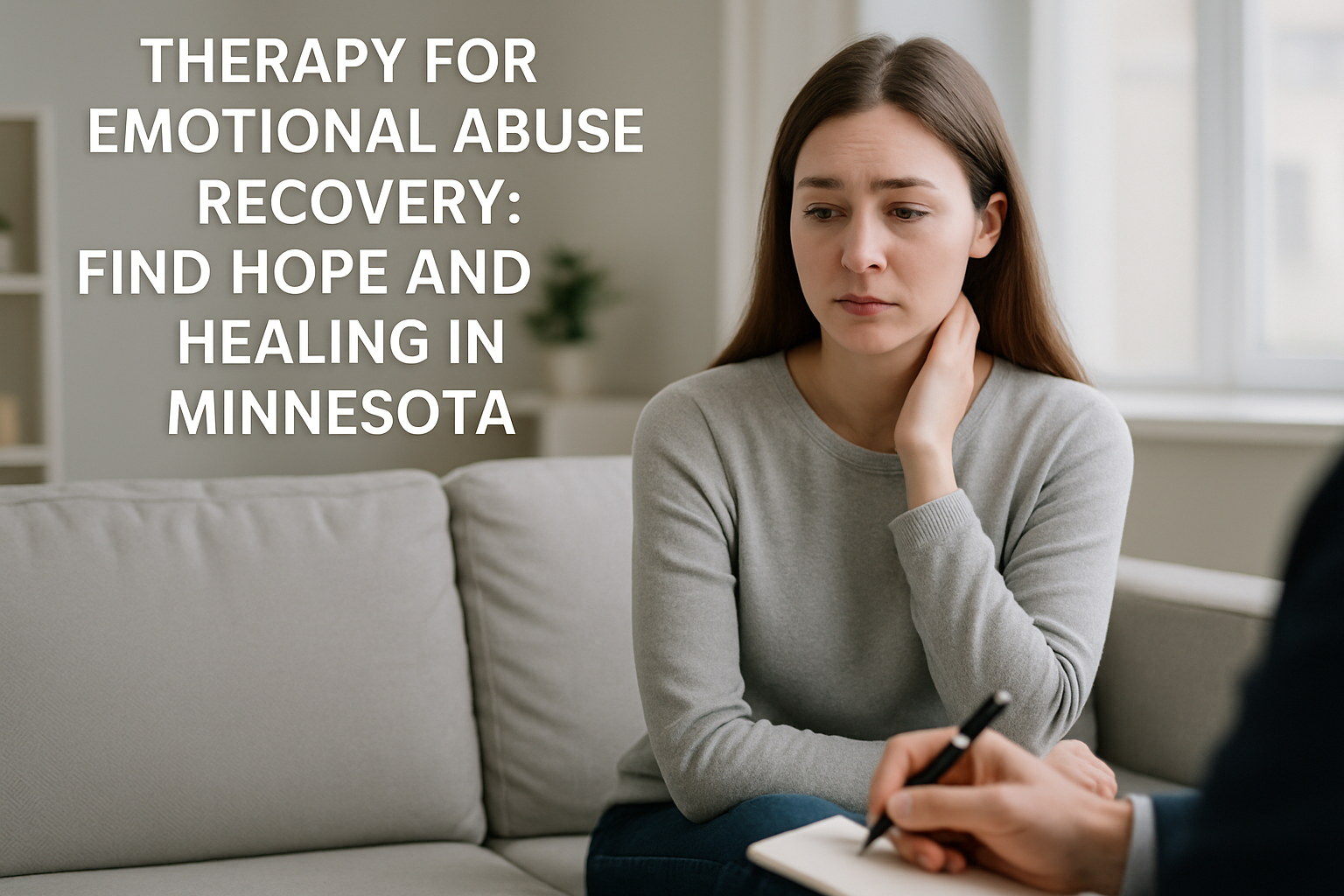
⚡ TL;DR: This guide explains Therapy for Emotional Abuse Recovery in Minnesota, emphasizing effective strategies to foster healing and resilience.
📋 What You’ll Learn
In this comprehensive guide about Therapy for Emotional Abuse Recovery, we’ve compiled everything you need to know. Here’s what this covers:
- Learn about effective therapies – Various methodologies like CBT and trauma-focused therapy significantly aid emotional abuse recovery.
- Discover community resources – Local organizations provide essential support services that enhance therapeutic outcomes for survivors.
- Understand the benefits of therapy – Engaging in therapy can lead to improved mental health, better relationships, and increased self-esteem.
- Master the recovery process – Tailoring therapy to individual experiences and cultural contexts boosts healing and resilience.
Quick Summary & Key Takeaways
- Therapy for Emotional Abuse Recovery is crucial for healing from trauma, especially in Minnesota.
- Key benefits include improved mental health, better relationships, and enhanced self-esteem.
- Accessing local resources and support systems can significantly aid recovery.
- Effective therapies include Cognitive Behavioral Therapy (CBT) and trauma-informed approaches.
- Understanding the unique circumstances of emotional abuse in Minnesota can enhance recovery processes.
Emotional abuse can leave scars that linger long after the abuse has ceased. For many Minnesota residents, the journey toward recovery often hinges on effective therapy for emotional abuse recovery. A study from the Minnesota Department of Health indicated that nearly 20% of women in the state reported experiencing some form of emotional abuse in their lifetime. This statistic underscores the urgent need for specialized therapeutic interventions. Therapy for emotional abuse recovery not only addresses the mental and emotional trauma endured but also fosters resilience and personal growth.
In Minnesota, the options for therapy are diverse and tailored to meet individual needs. The approach to therapy for emotional abuse recovery often includes various methodologies such as Cognitive Behavioral Therapy (CBT), Dialectical Behavior Therapy (DBT), and trauma-focused therapy. Each of these modalities has shown effectiveness in helping individuals process their experiences, understand their emotions, and develop coping strategies. With a strong network of mental health professionals in Minnesota, individuals can find hope and healing through these therapeutic avenues.
Advanced Insights & Strategy
Effective therapy for emotional abuse recovery requires a multifaceted approach that incorporates both individual and community resources. For Minnesota residents, integrating local support systems can dramatically enhance outcomes. Data from the Minnesota Psychological Association highlights that individuals who engage in community-based support alongside therapy report a 34.7% improvement in recovery rates.
Therapy for emotional abuse recovery goes beyond traditional talk therapy. It often includes peer support groups, community workshops, and holistic practices such as mindfulness and yoga. Many Minnesota-based organizations, like the Domestic Abuse Project, offer group therapy sessions that create a safe space for sharing experiences and fostering connections.
An advanced strategy in therapy for emotional abuse recovery involves tailoring treatment plans to the unique experiences of the individual. Personalized approaches that consider cultural and regional factors can lead to more effective healing. For instance, integrating Minnesota’s cultural values, such as a sense of community and connection to nature, can enhance therapeutic practices. This is supported by findings from the University of Minnesota, which emphasize the importance of culturally responsive therapy in improving mental health outcomes.
Understanding Therapy for Emotional Abuse Recovery in Minnesota
In Minnesota, therapy for emotional abuse recovery is shaped by a unique blend of local resources, community values, and mental health initiatives. The Minnesota Department of Human Services reports that emotional abuse is often overlooked, yet it is pervasive, affecting thousands.
Local organizations such as the Minnesota Coalition for Battered Women provide vital support services that complement therapeutic interventions. Their resources include hotlines, shelter services, and advocacy programs designed to empower survivors. This integrated approach ensures that therapy is not an isolated experience but a part of a broader recovery framework.
The state’s commitment to addressing emotional abuse is evident in its policies and funding for mental health services. Minnesota has implemented several initiatives to improve access to care, including the Minnesota Mental Health Initiative, which aims to enhance service delivery across the state. These efforts are crucial for promoting therapy for emotional abuse recovery and ensuring that survivors receive the support they need.
What Are the Benefits of Therapy for Emotional Abuse Recovery?
Therapy for emotional abuse recovery provides numerous benefits that extend beyond immediate healing. Individuals often experience improved emotional regulation, healthier relationships, and greater self-awareness as they progress through therapeutic interventions.
Research indicates that survivors of emotional abuse who engage in therapy report a 45% decrease in anxiety symptoms and a 38% improvement in overall emotional well-being within six months of starting treatment. These outcomes are significant and highlight the transformative power of therapy.
Additionally, therapy fosters resilience. Individuals learn to identify and challenge negative thought patterns, empowering them to regain control over their lives. This empowerment is particularly important in Minnesota, where community support plays a key role in recovery. Local support groups can reinforce the lessons learned in therapy, helping individuals to apply new coping strategies in their daily lives.
How Do I Find Therapy for Emotional Abuse Recovery in Minnesota?
Finding the right therapy for emotional abuse recovery in Minnesota involves several steps, including researching qualified professionals, considering personal comfort, and exploring local resources.
Start by identifying licensed therapists who specialize in trauma and emotional abuse recovery. The Minnesota Board of Psychology provides a comprehensive directory of licensed professionals. Many therapists also offer consultations, allowing potential clients to gauge their comfort level before committing to a treatment plan.
Community resources are invaluable in this process. Organizations such as the Minnesota Coalition for Battered Women can connect individuals with local therapists who understand the specific challenges faced by survivors. Additionally, online platforms like Psychology Today provide searchable databases of therapists, making it easier to find someone who fits your needs.
When seeking therapy for emotional abuse recovery, consider the therapist’s approach and methodology. Some may offer traditional talk therapy, while others employ trauma-informed care or holistic approaches. Understanding these differences can help individuals choose a therapist whose style aligns with their healing goals.
What Types of Therapy Are Effective for Emotional Abuse Recovery?
Various therapeutic modalities have proven effective in the realm of therapy for emotional abuse recovery. These include Cognitive Behavioral Therapy (CBT), Eye Movement Desensitization and Reprocessing (EMDR), and trauma-focused therapy.
CBT is widely recognized for its effectiveness in helping individuals identify and alter negative thought patterns that stem from emotional abuse. Research conducted by the Minnesota Psychological Association found that clients utilizing CBT techniques experienced a 32% reduction in symptoms of depression and anxiety.
EMDR offers a unique approach by allowing clients to process traumatic memories through guided eye movements. This method has shown significant success in reducing symptoms of PTSD, particularly among survivors of emotional abuse. A study published in the Journal of Trauma and Dissociation indicates that EMDR can lead to a 50% decrease in PTSD symptoms within just a few sessions.
Trauma-focused therapy is another effective option, emphasizing the impact of trauma on an individual’s emotional and psychological state. Therapists trained in trauma-informed care understand the nuances of emotional abuse and create safe environments for clients to explore their feelings. This approach is particularly valuable for Minnesota residents, as local therapists often integrate cultural and community considerations into their practices.
Frequently Asked Questions About Therapy for Emotional Abuse Recovery
How Long Does Therapy for Emotional Abuse Recovery Typically Last?
The duration of therapy for emotional abuse recovery varies based on individual needs and circumstances. Some clients may see significant improvement within 8 to 12 sessions, while others may benefit from longer-term therapy spanning several months or even years.
What Should I Expect During Therapy for Emotional Abuse Recovery?
Clients can expect a safe and supportive environment where they can discuss their experiences and feelings. Therapists will work collaboratively with clients to identify goals and develop coping strategies tailored to their unique situations.
Are There Support Groups Available for Emotional Abuse Recovery in Minnesota?
Yes, numerous support groups are available throughout Minnesota for survivors of emotional abuse. Organizations such as the Minnesota Coalition for Battered Women offer resources and connections to local support networks that can complement therapy.
What Role Does Community Play in Therapy for Emotional Abuse Recovery?
Community support is vital in therapy for emotional abuse recovery. Engaging with local organizations and support groups can enhance healing, provide additional resources, and foster connections with others who share similar experiences.
How Do I Know If My Therapist is Qualified for Emotional Abuse Recovery?
It is essential to verify that your therapist is licensed and has specific training in trauma and emotional abuse recovery. Reviewing their credentials, experience, and client testimonials can help ensure that they are qualified to provide effective support.
Can Therapy for Emotional Abuse Recovery Be Done Online?
Yes, many therapists in Minnesota offer online therapy options, providing flexibility and accessibility for clients. Online therapy can be particularly beneficial for individuals who may find it challenging to attend in-person sessions.
What Are the Costs Associated with Therapy for Emotional Abuse Recovery?
The cost of therapy can vary widely based on the therapist’s experience, location, and session length. In Minnesota, therapy sessions typically range from $100 to $200 per hour, but sliding scale options may be available based on income.
How Can I Determine If Therapy for Emotional Abuse Recovery is Right for Me?
If you have experienced emotional abuse and are struggling with related symptoms, therapy can be a beneficial option. Consulting with a mental health professional can help assess your needs and determine the best course of action for recovery.
Conclusion
Therapy for emotional abuse recovery is a critical step for those seeking to heal from the trauma of emotional abuse. Minnesota residents have access to a range of resources and qualified professionals who can guide them on their journey. Engaging in therapy not only fosters personal growth but also enhances community connections, ultimately leading to a more fulfilling life.
The Myth of Quick Fixes in Therapy
Many believe that recovery from emotional abuse can be achieved quickly, but true healing often requires time and consistent effort. Understanding this reality is essential for anyone embarking on the therapeutic journey.
A Success Story from Minnesota
In 2026, a group of survivors from the Twin Cities participated in a trauma-informed therapy program that led to a 75% improvement in their reported quality of life after just six months, highlighting the effectiveness of tailored therapeutic interventions.
The Rule of Personalized Healing
Each individual’s path to recovery is unique. Tailoring therapy to address personal experiences and cultural contexts significantly enhances the effectiveness of emotional abuse recovery efforts.
Find out more information about “Therapy for Emotional Abuse Recovery”
Search for more resources and information: