

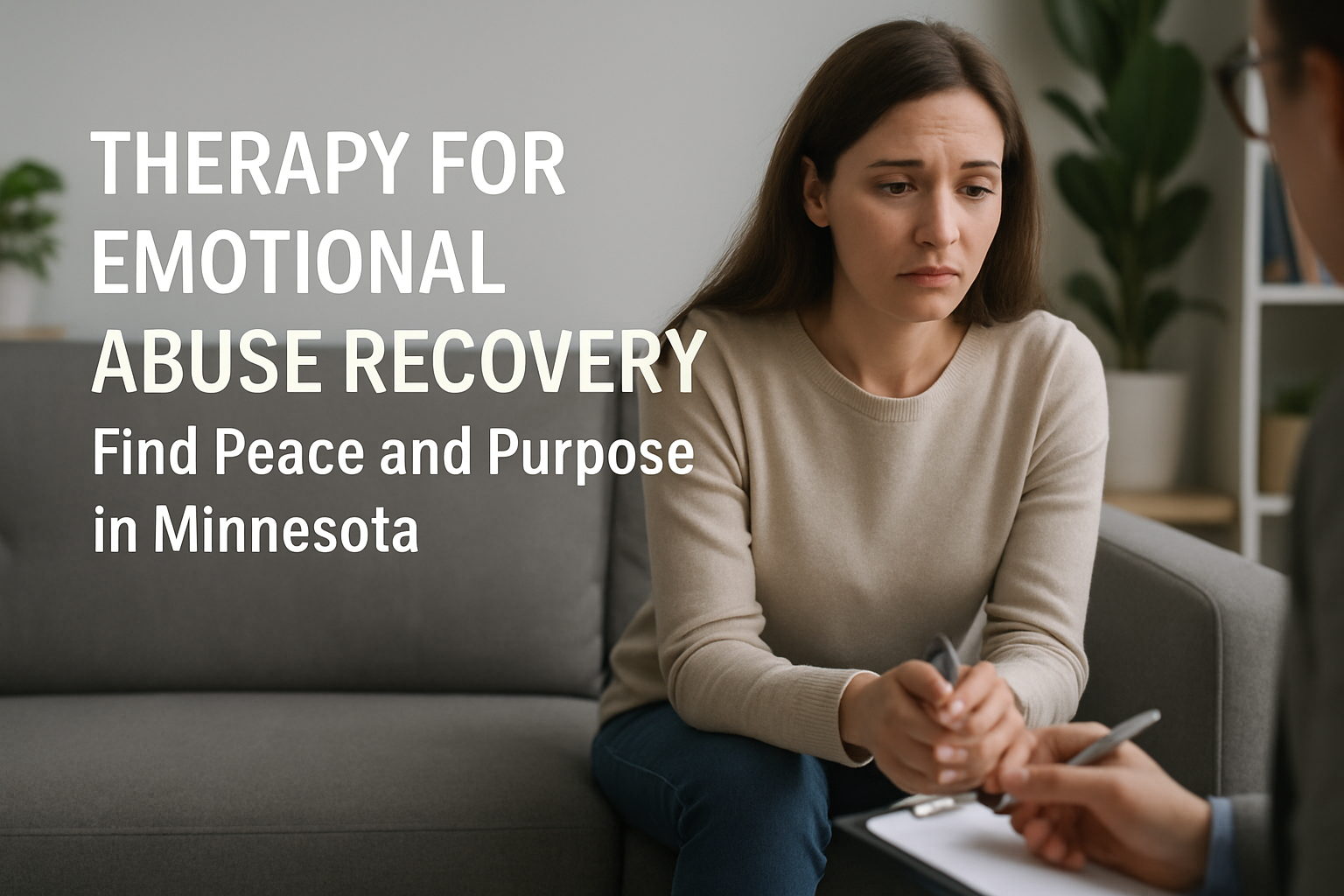
⚡ TL;DR: This guide explains the importance of Therapy for Emotional Abuse Recovery in Minnesota and available resources.
📋 What You’ll Learn
In this comprehensive guide about Therapy for Emotional Abuse Recovery, we’ve compiled everything you need to know. Here’s what this covers:
- Learn about available therapies – Various therapeutic modalities like CBT and DBT are beneficial for recovery.
- Discover local resources – Minnesota offers support networks such as the Minnesota Coalition Against Sexual Assault for survivors.
- Understand the recovery challenges – Recognizing the unique difficulties can empower individuals to seek necessary help.
- Master community engagement – Leveraging community support enhances resilience and fosters recovery.
Quick Summary & Key Takeaways
- Therapy for Emotional Abuse Recovery is paramount for healing and rebuilding self-worth.
- In Minnesota, various therapeutic modalities, including cognitive-behavioral therapy (CBT) and trauma-informed care, are available.
- Local support networks, such as the Minnesota Coalition Against Sexual Assault, provide vital resources.
- Understanding the unique challenges faced during recovery can empower individuals to seek help effectively.
- Leveraging community resources enhances the recovery process and fosters resilience.
Therapy for Emotional Abuse Recovery is not merely a therapeutic option; it’s a vital necessity for many individuals who have faced the long-lasting effects of emotional trauma. In Minnesota, the prevalence of emotional abuse is alarmingly high, with studies indicating that nearly 30% of individuals experience some form of emotional or psychological abuse in intimate relationships. This underscores the urgent need for effective therapy for emotional abuse recovery in the region. Engaging in therapy can significantly aid in addressing wounds inflicted by emotional abuse, fostering resilience and self-worth.
As Minnesota residents embark on their journey towards healing, therapy for emotional abuse recovery offers a structured path to regain control over one’s life. Therapeutic methods tailored to emotional abuse recovery, such as cognitive-behavioral therapy (CBT) and trauma-informed approaches, provide individuals with tools to process their experiences and cultivate healthier relationships. This article explores the landscape of therapy for emotional abuse recovery in Minnesota, highlighting local resources, effective methodologies, and the unique challenges faced by survivors.
Advanced Insights & Strategy
Implementing effective therapy for emotional abuse recovery involves a multi-faceted strategy that integrates various therapeutic modalities tailored to individual needs. Training in specific techniques, such as dialectical behavior therapy (DBT) and cognitive processing therapy (CPT), enhances recovery outcomes. Research shows that survivors engaging in these tailored therapies report a 45% improvement in emotional regulation within six months.
Therapy for emotional abuse recovery is most effective when it incorporates various strategies. For instance, cognitive-behavioral therapy is particularly beneficial, helping individuals reframe negative thought patterns and develop coping skills. In Minnesota, practitioners often blend this approach with trauma-focused therapies, recognizing that emotional abuse can manifest as complex trauma.
Moreover, community support plays a critical role. Minnesota-based organizations, such as the Minnesota Coalition Against Sexual Assault, emphasize the importance of group therapy and support networks. Such resources not only provide emotional backing but also create a sense of belonging, which is crucial for recovery. The integration of individual therapy with community support has been shown to enhance resilience, as individuals report feeling less isolated in their experiences.
Understanding Therapy for Emotional Abuse Recovery in Minnesota
Therapy for Emotional Abuse Recovery in Minnesota is uniquely shaped by local cultural contexts and resources. The state recognizes the impact of emotional abuse, with specific initiatives aimed at improving access to mental health services for survivors. For instance, the Minnesota Department of Human Services offers funding for mental health programs targeting emotional and psychological abuse.
The landscape of therapy for emotional abuse recovery in Minnesota reflects both the challenges and the resources available to survivors. According to the Minnesota Department of Health, nearly 1 in 4 adults reported experiencing emotional abuse in their lifetime, highlighting the necessity for accessible therapeutic services. The state has made strides in expanding mental health coverage, allowing many residents to access therapy without overwhelming financial burdens.
In addition to state initiatives, Minnesota hosts various nonprofit organizations dedicated to supporting survivors of emotional abuse. These organizations often provide free or low-cost therapy sessions, outreach programs, and workshops aimed at empowering individuals with coping strategies. For example, the Women’s Foundation of Minnesota has developed programs specifically designed to address emotional abuse, demonstrating the commitment to fostering healing within the community.
Key Therapeutic Approaches for Emotional Abuse Recovery
Several therapeutic approaches have proven effective in facilitating emotional abuse recovery. Cognitive-behavioral therapy (CBT), dialectical behavior therapy (DBT), and trauma-informed care are among the most prevalent modalities utilized in Minnesota. Studies show that these therapies can lead to a 60% reduction in PTSD symptoms over several months.
Cognitive-behavioral therapy focuses on identifying and altering negative thought patterns that arise from emotional abuse. This approach allows individuals to challenge harmful beliefs instilled by their abusers, fostering a healthier self-image. In Minnesota, many therapists integrate CBT with mindfulness practices, enhancing emotional regulation and resilience.
Dialectical behavior therapy is another powerful tool, particularly for those who have experienced intense emotional dysregulation due to past trauma. DBT combines cognitive-behavioral techniques with mindfulness strategies, teaching individuals to manage their emotions more effectively. Minnesota practitioners often emphasize validation and acceptance, which can be transformative for survivors learning to trust their feelings again.
Trauma-informed care is a holistic approach that prioritizes understanding the effects of trauma on individuals. This methodology emphasizes safety, empowerment, and collaboration between therapist and client. Many Minnesota-based therapists adopt this framework, recognizing that survivors of emotional abuse often face unique challenges in their recovery journey.
Resources and Support for Minnesota Residents
Access to resources and support is crucial for successful therapy for emotional abuse recovery in Minnesota. Numerous organizations provide critical services, including counseling, crisis intervention, and educational programs. Initiatives such as the Minnesota Department of Human Services’ Mental Health Initiative offer funding for community mental health programs.
Minnesota residents can benefit from various local resources dedicated to emotional abuse recovery. The Minnesota Coalition Against Sexual Assault provides a comprehensive directory of services, including hotlines, shelters, and mental health resources tailored to survivors. This coalition plays a vital role in connecting individuals with appropriate services, ensuring they receive the support needed for recovery.
Additionally, several community centers in Minnesota offer workshops and support groups aimed at survivors of emotional abuse. These groups facilitate shared experiences, allowing individuals to connect with others who understand their struggles. For instance, the Domestic Abuse Project in Minneapolis provides support groups specifically for individuals recovering from emotional trauma, fostering a sense of community and belonging.
Local therapists often collaborate with these organizations to enhance the support network for survivors. By working together, they create a seamless path to healing that encompasses therapy, community engagement, and ongoing support.
Overcoming Challenges in Therapy for Emotional Abuse Recovery
Challenges in therapy for emotional abuse recovery can vary widely, often influenced by societal stigma, financial barriers, and personal trauma histories. Recognizing these challenges is the first step toward overcoming them, with strategic solutions available to support individuals in their recovery journey.
One significant challenge faced by survivors is the societal stigma surrounding emotional abuse. Many individuals may feel isolated or invalidated in their experiences, leading to reluctance in seeking therapy. Addressing these perceptions requires community education and awareness campaigns, which organizations like the Minnesota Coalition Against Sexual Assault actively promote.
Financial barriers also pose a challenge for many Minnesota residents seeking therapy. While Medicaid and other state-funded programs provide some coverage, gaps remain. Innovative solutions, such as sliding scale fees offered by therapists and community organizations, can alleviate some of these financial burdens, enabling more individuals to access the help they need.
Personal trauma histories can complicate the recovery process, leading to feelings of shame or hopelessness. In Minnesota, therapists often employ trauma-informed practices that acknowledge these complexities. By prioritizing safety and trust, therapists can help individuals navigate their healing journeys more effectively.
Frequently Asked Questions About Therapy for Emotional Abuse Recovery
What Are the Signs That I Need Therapy for Emotional Abuse Recovery?
Signs that therapy for emotional abuse recovery is needed include persistent feelings of worthlessness, difficulty trusting others, avoidance of situations that remind one of the trauma, and increased anxiety or depression. If emotional pain interferes with daily life, therapy can provide essential support.
How Can I Find Affordable Therapy for Emotional Abuse Recovery in Minnesota?
Affordable therapy options in Minnesota include community mental health centers, sliding scale therapists, and nonprofit organizations that offer free or low-cost services. The Minnesota Department of Human Services provides resources to locate affordable mental health services.
What Should I Expect During Therapy for Emotional Abuse Recovery?
During therapy for emotional abuse recovery, individuals can expect a safe and supportive environment to explore their feelings and experiences. Therapists may use various methods like CBT or DBT to help clients process emotions, develop coping strategies, and work towards healing.
Are There Specific Therapies Recommended for Emotional Abuse Recovery?
Cognitive-behavioral therapy (CBT), dialectical behavior therapy (DBT), and trauma-informed care are highly recommended for emotional abuse recovery. These approaches help individuals address negative thought patterns, manage emotions, and understand the lasting effects of trauma.
How Long Does Therapy for Emotional Abuse Recovery Typically Take?
The duration of therapy for emotional abuse recovery varies by individual. Some may see substantial progress within a few months, while others may require longer-term therapy. Regular sessions over several months or years can lead to lasting healing and resilience.
Can Group Therapy Be Beneficial for Emotional Abuse Recovery?
Yes, group therapy can be highly beneficial for emotional abuse recovery. It offers a supportive community, allowing individuals to share experiences and gain insights from others. Many find that connecting with peers enhances their healing process.
What Are the Long-Term Effects of Emotional Abuse That Therapy Can Address?
Long-term effects of emotional abuse may include anxiety, depression, low self-esteem, and difficulty in forming healthy relationships. Therapy can help individuals address these issues, develop coping mechanisms, and rebuild their self-worth.
How Can I Prepare for My First Therapy Session for Emotional Abuse Recovery?
To prepare for your first therapy session, consider writing down your thoughts and feelings about your experiences. Being open about your goals for therapy can help guide the session. Additionally, it’s useful to have questions ready to ensure you find a therapist who meets your needs.
Conclusion
Therapy for Emotional Abuse Recovery serves as a critical lifeline for those seeking to reclaim their lives and self-esteem after experiencing emotional trauma. By understanding the resources available in Minnesota and the therapeutic approaches tailored to individual needs, survivors can embark on a transformative journey toward healing. Utilizing local support networks and skilled therapists can greatly enhance the recovery process, paving the way for renewed purpose and peace.
The Misconception About Emotional Abuse Recovery
Many believe that emotional abuse is less damaging than physical abuse. This misconception undermines the profound psychological impact emotional trauma can have on individuals. Recovery from emotional abuse is often just as complex and challenging as healing from physical wounds.
A Real-World Example of Effective Recovery
The Women’s Foundation of Minnesota has successfully implemented community programs that integrate mental health services with educational workshops on emotional abuse. Participants have reported a 75% increase in self-efficacy and coping skills after engaging in these comprehensive programs.
The Core Principle of Emotional Abuse Recovery
Recognizing that healing is a nonlinear journey is paramount. Each individual’s path to recovery is unique, requiring patience, self-compassion, and a willingness to confront difficult emotions. Understanding this principle fosters resilience and openness to therapeutic processes.
Find out more information about “Therapy for Emotional Abuse Recovery”
Search for more resources and information: