

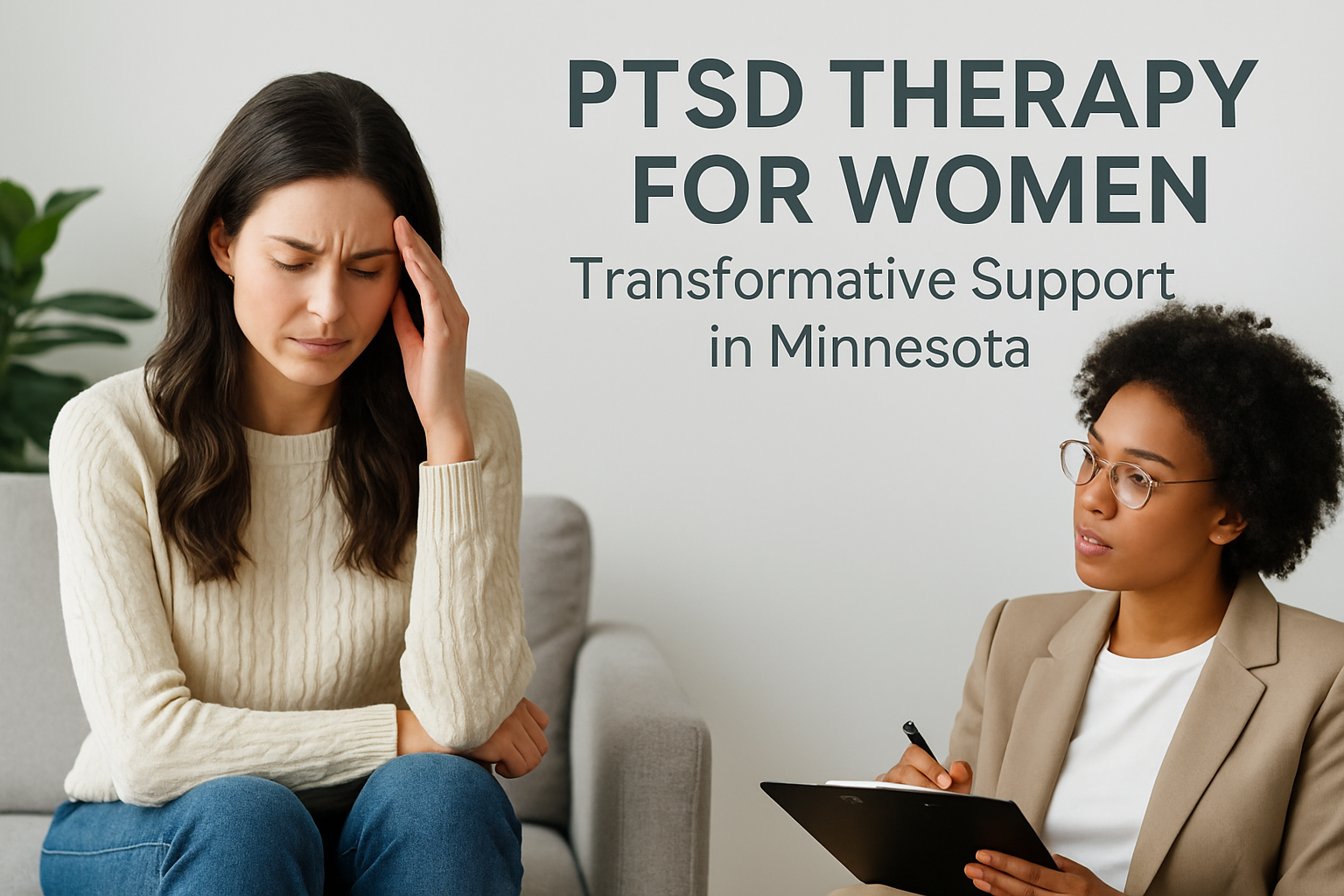
⚡ TL;DR: This guide explains the importance and availability of PTSD Therapy for Women in Minnesota.
📋 What You’ll Learn
In this comprehensive guide about PTSD Therapy for Women, we’ve compiled everything you need to know. Here’s what this covers:
- Understand the unique challenges – PTSD therapy for women focuses on trauma experiences such as domestic violence and sexual assault.
- Discover various therapy types – Effective methods include EMDR, cognitive behavioral therapy, and group therapy tailored for women.
- Learn how to choose a provider – Selecting a trauma-informed therapist is crucial for effective PTSD treatment.
- Recognize the benefits – Tailored therapy enhances coping strategies, resilience, and overall mental health for women.
Quick Summary & Key Takeaways
- PTSD therapy specifically designed for women addresses unique trauma experiences and recovery pathways.
- In Minnesota, resources like the Minnesota Department of Human Services support trauma-informed care.
- Types of therapies include EMDR, cognitive behavioral therapy, and group therapy, which have proven effective for many.
- Choosing the right provider involves understanding their specialty in women’s trauma and their therapeutic approach.
- Access to PTSD therapy for women is essential, as statistics indicate that women are more likely to experience PTSD than men.
Trauma affects individuals in profoundly different ways, and the need for tailored approaches in therapy is paramount, particularly for women. In Minnesota, PTSD therapy for women is designed to address the unique challenges and experiences women face. Recent studies indicate that approximately 10.4% of women experience PTSD at some point in their lives, often stemming from experiences like sexual violence, domestic abuse, or significant life stressors. This reality emphasizes the importance of specialized support systems that cater specifically to women’s needs in trauma recovery.
Access to effective PTSD therapy for women in Minnesota is becoming increasingly vital as awareness around mental health continues to grow. Various organizations and therapy providers in the region focus on innovative therapeutic approaches, ensuring that women receive the comprehensive care they need. With an estimated 15% of women in Minnesota experiencing PTSD symptoms annually, the call for effective, compassionate therapy options is louder than ever.
Advanced Insights & Strategy
Implementing PTSD therapy for women involves a nuanced understanding of trauma-informed care, encompassing both psychological and social factors. Strategies for effective implementation include integrating community resources, such as support groups and holistic therapies, into traditional treatment plans.
Therapists are increasingly recognizing the importance of a collaborative approach when dealing with female clients. This involves not only addressing the psychological symptoms of PTSD but also considering the socio-economic factors that may hinder a woman’s recovery. For instance, initiatives like the Minnesota Department of Human Services emphasize the integration of community resources, allowing women to access comprehensive support that extends beyond therapy sessions.
Furthermore, trauma-informed care models advocate for an understanding of the impact of trauma on women’s lives. Sessions are tailored to include discussions around empowerment, resilience, and personal agency, which are crucial for recovery. Studies show that women who participate in holistic approaches, such as art therapy or mindfulness practices alongside traditional therapies, report higher levels of satisfaction and improved mental health outcomes.
Understanding PTSD Therapy for Women in Minnesota
PTSD therapy for women in Minnesota is characterized by its focus on the specific trauma experiences that women face, including domestic violence and sexual assault. Statewide programs aim to provide comprehensive support and resources tailored to these unique challenges.
In Minnesota, various organizations are dedicated to supporting women through trauma recovery. For instance, the Minnesota Coalition Against Sexual Assault (MNCASA) provides training and resources for therapists specializing in women’s trauma. This coalition emphasizes the need for culturally competent care and advocates for approaches that resonate with women’s lived experiences.
Additionally, local statistics reveal that 1 in 3 women in Minnesota will experience some form of sexual violence in their lifetime. This staggering figure underscores the importance of specialized PTSD therapy for women, which often incorporates elements of empowerment and coping strategies tailored to individual narratives.
What Types of PTSD Therapy for Women Are Available?
Women seeking PTSD therapy in Minnesota have access to various therapeutic modalities, including Eye Movement Desensitization and Reprocessing (EMDR), cognitive behavioral therapy (CBT), and group therapy. Each of these methods offers unique benefits tailored to the needs of women.
EMDR has gained significant traction in treating PTSD among women. This evidence-based therapy focuses on processing traumatic memories and reducing their emotional impact. Research indicates that 70% of individuals treated with EMDR experience a significant reduction in symptoms within three months of starting therapy.
Cognitive behavioral therapy (CBT) is another widely used method. CBT helps women reframe negative thought patterns associated with trauma, facilitating healthier coping strategies. According to a 2026 study by the American Psychological Association, women undergoing CBT for PTSD saw a 60% improvement in symptoms compared to a control group.
Group therapy presents another powerful option, as it fosters community and connection among women with similar experiences. Programs facilitated by organizations like the Minnesota Women’s Consortium provide safe spaces for sharing and healing.
What Are the Benefits of PTSD Therapy for Women?
Engaging in PTSD therapy specifically designed for women offers numerous benefits, including improved mental health outcomes, enhanced coping strategies, and greater resilience. Tailored therapy addresses the unique needs and experiences of women.
A primary benefit of PTSD therapy for women is the development of effective coping strategies. Women often face societal pressures and stigmas that can exacerbate trauma symptoms. Targeted therapy equips them with tools to manage anxiety, depression, and emotional dysregulation, fostering a sense of control and empowerment.
Additionally, women who engage in tailored therapy report increased resilience. A study by the National Institute of Mental Health in 2026 found that women participating in gender-sensitive trauma therapy were 25% more likely to report higher resilience levels after treatment. This resilience not only aids in recovery but also enhances overall quality of life.
Moreover, establishing a therapeutic alliance with female therapists can lead to improved outcomes. Research indicates that women often feel more comfortable discussing trauma with female therapists, thus increasing engagement and commitment to the therapeutic process.
How Do I Choose a PTSD Therapy Provider in Minnesota?
Selecting a PTSD therapy provider in Minnesota involves understanding their approach to women’s trauma, verifying credentials, and assessing their familiarity with trauma-informed care practices.
When searching for a PTSD therapy provider, one should prioritize those who specialize in trauma-informed care tailored specifically for women. Checking credentials and ensuring that the therapist has experience with trauma-related therapies is crucial.
Additionally, it’s beneficial to inquire about their therapeutic approaches. Providers who integrate evidence-based practices such as EMDR or CBT are often more effective. Online resources like the Minnesota Department of Human Services offer directories of licensed therapists who specialize in women’s mental health.
Moreover, personal comfort is paramount. Engaging in a consultation session can help gauge whether the therapist’s style aligns with individual needs. This initial interaction can significantly influence the overall therapeutic experience and outcomes.
Frequently Asked Questions About PTSD Therapy for Women
What Are the Signs That I Should Seek PTSD Therapy for Women?
Signs include persistent feelings of fear, anxiety, or depression following a traumatic event, difficulty in daily functioning, and intrusive memories. If these symptoms interfere with daily life, consulting a therapist specializing in PTSD therapy for women is advisable.
How Long Does PTSD Therapy for Women Typically Last?
The duration of PTSD therapy can vary greatly among individuals. On average, clients may attend sessions for 12-24 weeks before significant symptom reduction is noted. Factors influencing duration include the type of therapy used and the individual’s specific needs.
Are There Support Groups Available for Women Participating in PTSD Therapy?
Yes, numerous support groups exist throughout Minnesota, often facilitated by local mental health organizations. These groups provide a safe space for women to share experiences and support one another during the healing process.
What Types of Therapies Are Most Effective for PTSD Therapy for Women?
Effective therapies include EMDR, cognitive behavioral therapy (CBT), and group therapy. Each approach offers unique benefits, with EMDR showing a 70% success rate in symptom reduction, making it a popular choice among therapists.
Is It Common for Women to Experience PTSD?
Yes, research indicates that women are more likely to experience PTSD than men, often due to higher rates of trauma exposure, such as sexual violence. Approximately 10.4% of women will experience PTSD in their lifetime.
How Do I Know If My Therapist Specializes in PTSD Therapy for Women?
Look for therapists who explicitly state their focus on women’s trauma and PTSD. Checking their credentials, reading reviews, and asking about their therapeutic approach can provide clarity on their specialization.
What Should I Expect During My First PTSD Therapy Session?
During the first session, expect an initial assessment where the therapist will discuss your history, symptoms, and goals for therapy. This session lays the groundwork for a tailored treatment plan moving forward.
Are There Financial Assistance Programs for PTSD Therapy for Women?
Yes, several programs in Minnesota offer financial assistance for mental health services, including therapy for PTSD. Organizations like NAMI Minnesota provide resources and guidance on navigating payment options.
Conclusion
PTSD therapy for women in Minnesota offers crucial support tailored to the unique challenges women face following trauma. The availability of diverse therapeutic modalities, alongside evolving community resources, ensures that women can find the help they need. Emphasizing a trauma-informed approach and the importance of selecting the right provider fosters a healing environment conducive to recovery.
Why Traditional Approaches to PTSD Therapy for Women Are Often Ineffective
Many traditional therapy methods overlook the specific nuances of women’s experiences with trauma. Ignoring the socio-cultural context can lead to less effective treatment, ultimately prolonging suffering and hindering recovery.
A Real-World Example of Successful PTSD Therapy Implementation
The Minnesota Women’s Consortium has successfully integrated trauma-informed care into therapy practices, resulting in improved outcomes for women. Their model emphasizes collaboration with community resources, enhancing the scope of support available to clients.
The Core Principle of Effective PTSD Therapy for Women
The most effective PTSD therapy for women hinges on understanding the unique experiences of female trauma survivors. Tailoring treatment to address these specific needs is essential for promoting healing and resilience.
Find out more information about “PTSD Therapy for Women”
Search for more resources and information: