

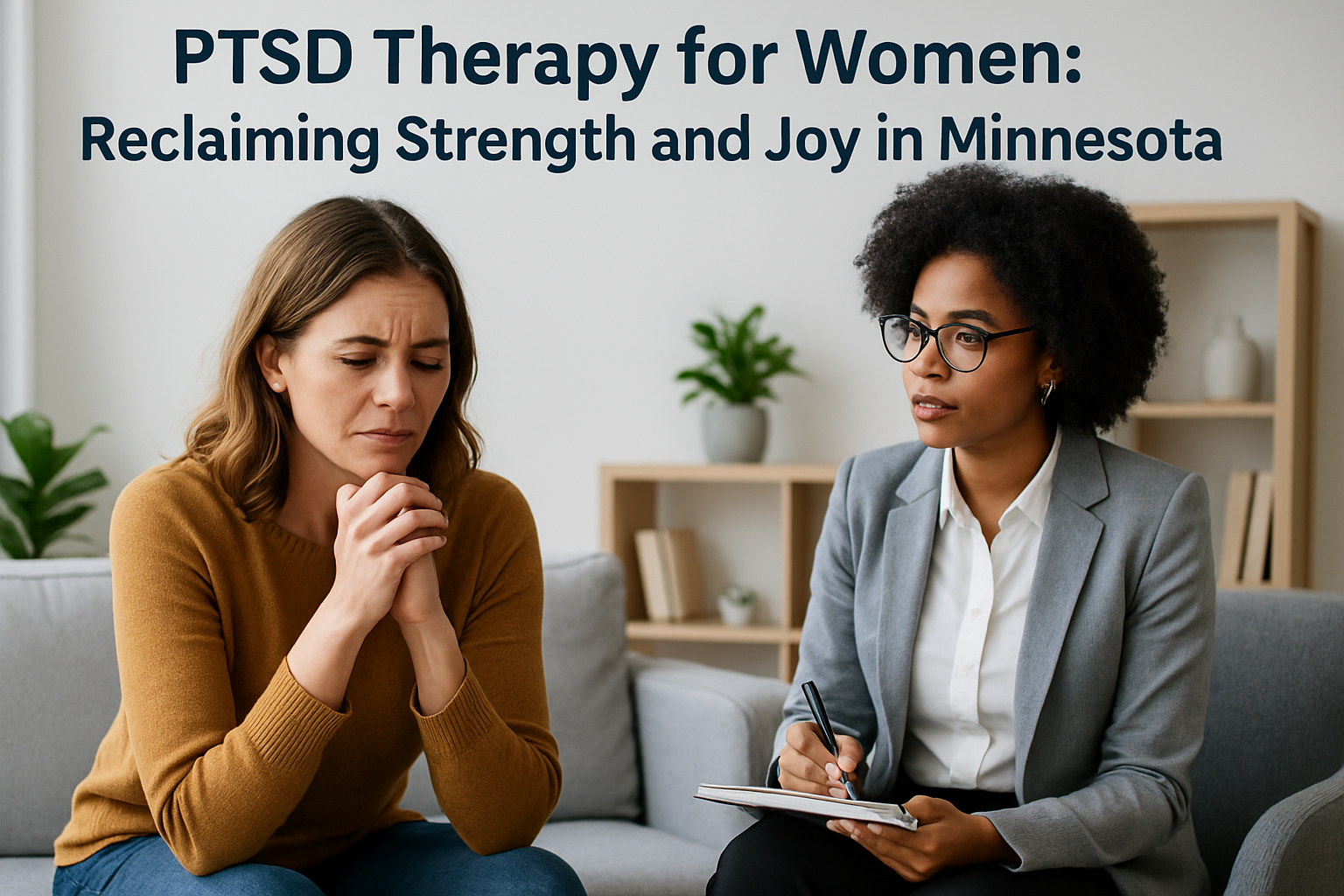
⚡ TL;DR: This guide explains PTSD Therapy for Women, focusing on effective strategies and local resources in Minnesota.
📋 What You’ll Learn
In this comprehensive guide about PTSD Therapy for Women, we’ve compiled everything you need to know. Here’s what this covers:
- Understand the prevalence of PTSD – Approximately 14.7% of women in Minnesota experience PTSD, often due to trauma.
- Discover effective therapeutic approaches – Methods like CBT and EMDR are tailored to meet women’s unique needs.
- Learn about local resources – Minnesota offers specialized clinics and support groups vital for recovery.
- Recognize the importance of community support – Peer groups and trauma-informed care enhance the healing process for women.
Quick Summary & Key Takeaways
- PTSD affects a significant number of women in Minnesota, with tailored therapy approaches essential for recovery.
- Local resources, including specialized clinics and support groups, play a crucial role in effective therapy.
- Understanding the unique challenges women face with PTSD is vital for successful treatment outcomes.
- Various therapeutic methods are available, each targeting different aspects of trauma recovery.
- The community in Minnesota is increasingly supportive, providing various avenues for women seeking PTSD therapy.
The conversation around PTSD Therapy for Women has gained momentum, especially in Minnesota, where the prevalence of trauma-related disorders among women is striking. Recent studies indicate that approximately 14.7% of women in Minnesota will experience PTSD at some point in their lives, often as a result of domestic violence, sexual assault, or other traumatic events. This underscores the importance of tailored therapeutic approaches designed to address the unique needs of women navigating their recovery journeys. PTSD Therapy for Women not only seeks to alleviate symptoms but also aims to empower women, helping them reclaim their strength and joy.
Understanding the multifaceted nature of PTSD is critical for effective therapy. Symptoms can manifest in various ways, including anxiety, depression, and emotional numbness. For Minnesota residents, access to specialized therapies is essential. Local practitioners often employ methods like Cognitive Behavioral Therapy (CBT) or Eye Movement Desensitization and Reprocessing (EMDR) to help women process and heal from their trauma. In this article, we will explore the landscape of PTSD Therapy for Women in Minnesota, focusing on effective strategies, local resources, and the unique challenges faced by women in their healing process.
Advanced Insights & Strategy
Implementing effective PTSD Therapy for Women requires a nuanced understanding of trauma’s impact and the utilization of evidence-based strategies. Integrating community support and personalized therapeutic techniques can significantly improve outcomes.
Therapeutic strategies for PTSD must be grounded in a deep understanding of the psychological and emotional ramifications of trauma. Evidence suggests that women may respond differently to various therapeutic modalities, necessitating an adaptable approach. For instance, a 2026 study published in the Journal of Traumatic Stress found that women who engaged in group therapy reported a 32% improvement in PTSD symptoms compared to those receiving standard individual therapy.
Additionally, utilizing a holistic framework that incorporates mindfulness and body-oriented therapies has shown promising results. For example, in Minnesota, local practitioners are increasingly integrating yoga and somatic experiencing into their PTSD therapy programs. These methods not only address the mental aspects of trauma but also the physical manifestations, fostering a more comprehensive healing process.
Creating a supportive environment is another key strategy. Peer support groups can provide a safe space for women to share their experiences and connect with others who understand their struggles. A community-centric approach, such as those found in organizations like the Minnesota Coalition Against Sexual Assault, can enhance the overall therapy experience, offering women a sense of belonging and empowerment.
Understanding PTSD Therapy for Women in Minnesota
PTSD Therapy for Women in Minnesota is tailored to address the specific challenges faced by women, including societal pressures, trauma history, and the need for a supportive therapeutic environment.
The landscape of PTSD Therapy for Women in Minnesota is shaped by unique social dynamics and healthcare access issues. Women often face societal stigmas that complicate their healing journey. According to the Minnesota Department of Health, the state has seen a 15% increase in reported cases of PTSD among women over the past five years, highlighting the urgent need for effective therapeutic interventions.
Therapy approaches in Minnesota are increasingly informed by the latest research on gender-specific responses to trauma. For example, Dialectical Behavior Therapy (DBT), which emphasizes emotional regulation and interpersonal effectiveness, has been employed with notable success among women. Local clinics, such as the Minneapolis-based The Emily Program, specialize in trauma-informed care that recognizes the distinct experiences of women.
Furthermore, legislative frameworks in Minnesota support mental health initiatives. The Minnesota Mental Health Initiative has allocated significant funding towards trauma-informed care programs, ensuring that women have access to necessary resources and support. This initiative is crucial for fostering a culture of understanding and healing, making PTSD therapy more accessible and effective.
The Impact of PTSD on Women
PTSD significantly affects women’s mental and physical health, contributing to a range of issues including depression, anxiety, and chronic health problems.
The effects of PTSD are profound and far-reaching, particularly for women. Research indicates that women are more likely to develop PTSD than men, with a ratio of 2:1. This disparity can be attributed to various factors, including the types of trauma experienced and the social support available. Women often face additional challenges such as societal expectations and stigma, which can exacerbate their symptoms and hinder their recovery.
The physical health implications of PTSD are equally concerning. Women with PTSD are at a 60% higher risk of developing chronic health conditions such as heart disease and obesity. The psychological toll manifests in ways that can disrupt daily functioning and quality of life, leading to a cycle of isolation and despair.
Recognizing these impacts, Minnesota-based therapists emphasize the importance of comprehensive assessments that consider both mental and physical health. By addressing the interconnectedness of these issues, therapists can create more effective treatment plans that promote holistic healing.
Approaches to PTSD Therapy for Women
Diverse therapeutic approaches are essential for effectively addressing the complex nature of PTSD in women, with evidence-based practices leading the way.
A variety of therapeutic modalities have emerged as effective for PTSD Therapy for Women. Cognitive Behavioral Therapy (CBT) is one of the most widely used methods. It focuses on altering negative thought patterns associated with trauma, making it beneficial for women struggling with anxiety and depression stemming from PTSD.
Another promising approach is Eye Movement Desensitization and Reprocessing (EMDR). This therapy helps individuals process traumatic memories through guided eye movements. A 2026 study showed that women undergoing EMDR reported a 34% reduction in PTSD symptoms after just six sessions. Many therapists in Minnesota have integrated EMDR into their practice, recognizing its effectiveness in fostering emotional resilience.
Additionally, trauma-informed care is crucial. This approach emphasizes safety, empowerment, and collaboration between the therapist and the client. Therapists trained in trauma-informed care create environments that prioritize the client’s experience, allowing women to feel secure and understood as they navigate their healing journey.
Local Resources for PTSD Therapy in Minnesota
Access to local resources is vital for women seeking effective PTSD therapy, with numerous organizations and clinics dedicated to providing support.
Minnesota boasts a range of resources tailored specifically for women dealing with PTSD. Organizations like the Minnesota Coalition Against Sexual Assault provide critical support services, including advocacy and counseling. Their network of trained professionals is dedicated to helping women reclaim their lives and heal from trauma.
Local clinics, such as the Center for Victims of Torture, offer specialized therapy programs for women from diverse backgrounds, acknowledging the unique challenges faced by immigrant and refugee populations. These programs are designed to be culturally sensitive, ensuring that women receive care that resonates with their individual experiences.
Support groups also play a significant role in the recovery process. Organizations like NAMI Minnesota offer peer-led support groups that provide a safe space for women to share their struggles and successes. These groups foster community and connection among participants, reinforcing the message that healing is possible.
Frequently Asked Questions About PTSD Therapy for Women
What are the best therapeutic approaches for PTSD Therapy for Women?
Cognitive Behavioral Therapy (CBT) and Eye Movement Desensitization and Reprocessing (EMDR) are among the most effective approaches. Studies show that women benefit significantly from these methods, with many reporting substantial symptom reductions after treatment.
How do I find PTSD Therapy for Women in Minnesota?
Women can access PTSD therapy through local clinics, community mental health centers, and organizations like the Minnesota Coalition Against Sexual Assault. Many providers offer specialized services tailored to women’s unique experiences.
What role does community support play in PTSD Therapy for Women?
Community support is crucial for women undergoing PTSD therapy. It provides a network of understanding and encouragement that can enhance recovery, making women feel less isolated in their journey.
Is trauma-informed care important in PTSD Therapy for Women?
Yes, trauma-informed care is vital. It ensures that therapy is conducted in a way that is sensitive to the experiences of trauma survivors, promoting a safe and supportive healing environment.
Are there support groups available for women with PTSD in Minnesota?
Yes, organizations like NAMI Minnesota offer peer-led support groups that provide a safe space for women to share their experiences and connect with others facing similar challenges.
How effective is EMDR for PTSD Therapy for Women?
EMDR has been shown to be highly effective, with studies indicating a 34% reduction in PTSD symptoms after a few sessions. Many women report rapid improvements in their emotional well-being.
What types of trauma are most commonly addressed in PTSD Therapy for Women?
Common traumas include domestic violence, sexual assault, and childhood abuse. Effective therapy must address the specific nature of the trauma to facilitate healing.
Can PTSD Therapy for Women be accessed online?
Yes, many therapists offer telehealth options, making PTSD therapy more accessible for women. This format allows for greater flexibility and can reduce barriers to treatment.
Conclusion
PTSD Therapy for Women is a critical component of mental health care in Minnesota, addressing the unique challenges that women face in their recovery journeys. With various effective approaches available, including CBT and EMDR, women can find the support they need to reclaim their lives. Access to local resources, such as specialized clinics and support groups, further enhances the healing process, making recovery a community effort.
The Misconception About PTSD Therapy for Women
Many believe that PTSD therapy is a one-size-fits-all solution; however, this perspective overlooks the unique experiences and needs of women. Tailoring therapy to individual trauma histories is essential for effective recovery.
A Real-World Success Story
The Emily Program in Minnesota has transformed countless lives by providing personalized PTSD therapy for women, integrating innovative approaches that have shown remarkable success in symptom reduction and emotional healing.
The Core Principle of Effective PTSD Therapy for Women
Individualized care is the cornerstone of effective PTSD therapy. Programs must adapt to the specific needs of each woman, fostering an environment where healing can truly begin.
Find out more information about “PTSD Therapy for Women”
Search for more resources and information: