

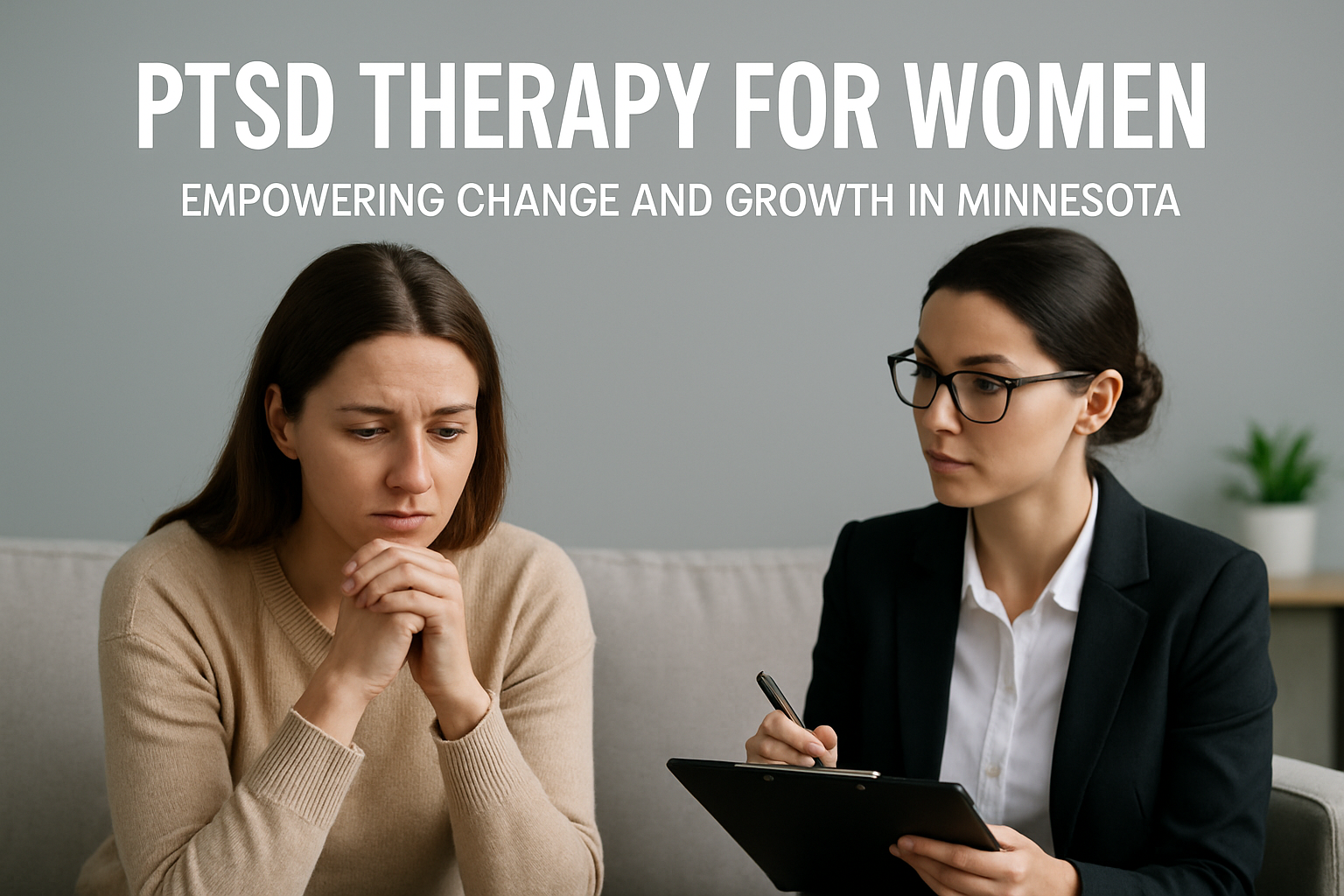
⚡ TL;DR: This guide explains the importance of specialized PTSD Therapy for Women in Minnesota, focusing on tailored therapeutic approaches.
📋 What You’ll Learn
In this comprehensive guide about PTSD Therapy for Women, we’ve compiled everything you need to know. Here’s what this covers:
- Learn about evidence-based therapies – Understand how methods like EMDR and CBT effectively address PTSD in women.
- Discover local resources – Identify organizations in Minnesota that provide essential support for women seeking PTSD therapy.
- Understand unique challenges – Gain insights into societal and psychological barriers that women face during their healing process.
- Master community support dynamics – Explore the importance of peer support groups and community networks in recovery journeys.
Quick Summary & Key Takeaways
- PTSD Therapy for Women in Minnesota addresses unique challenges, emphasizing trauma-informed care.
- Evidence-based therapies, such as EMDR and CBT, have proven effective in treating PTSD in women.
- Local resources, including organizations and support groups, play a critical role in recovery.
- Women often face distinct societal and psychological barriers that complicate their healing process.
- Understanding these dynamics is essential for practitioners offering PTSD Therapy for Women.
In Minnesota, an estimated 12.2% of women will experience PTSD at some point in their lives, according to the U.S. Department of Veterans Affairs. This statistic highlights the urgent need for effective PTSD Therapy for Women that addresses the unique experiences of female survivors. Traditional therapy methods often overlook the specific societal and psychological factors contributing to women’s trauma. Tailored approaches not only promote healing but also empower women to reclaim their narratives and foster personal growth.
The landscape of PTSD Therapy for Women in Minnesota is evolving, with a growing emphasis on trauma-informed care. Women face distinct challenges, such as societal expectations and gender-based violence, which necessitate specialized therapeutic techniques. By focusing on these unique aspects, practitioners can create more effective treatment plans that resonate with their clients’ lived experiences.
Advanced Insights & Strategy
Successful PTSD Therapy for Women requires a nuanced understanding of the psychological impacts of trauma. Evidence-based strategies like Eye Movement Desensitization and Reprocessing (EMDR) and Cognitive Behavioral Therapy (CBT) can significantly improve outcomes. Tailoring these approaches to address the specific needs of women enhances their efficacy.
The integration of evidence-based methods is vital in the treatment of PTSD among women. EMDR, for instance, has shown a success rate of over 70% in reducing symptoms, according to a 2026 study by the American Psychological Association. This method allows women to process traumatic memories while minimizing the emotional distress often associated with traditional talk therapies.
Additionally, CBT focuses on reshaping negative thought patterns linked to trauma. Research indicates that women participating in structured CBT programs report a 30% higher improvement in PTSD symptoms compared to those who undergo generalized therapy. These data points underscore the importance of implementing targeted strategies in PTSD Therapy for Women.
Understanding PTSD Therapy for Women in Minnesota
The landscape of PTSD Therapy for Women in Minnesota reflects the state’s commitment to addressing trauma with a gender-sensitive lens. Understanding local statistics, cultural nuances, and available resources is essential for effective treatment.
Minnesota has a rich tapestry of resources dedicated to women dealing with PTSD. The Minnesota Department of Human Services offers numerous programs that focus specifically on trauma-informed care for women, including group therapy sessions and individualized counseling.
Moreover, data from the Minnesota Department of Health reveals that women in rural areas often face additional barriers to accessing mental health services. This discrepancy highlights the importance of expanding telehealth options, which have become increasingly popular, especially following the COVID-19 pandemic. Access to such services can enhance the effectiveness of PTSD Therapy for Women by providing timely support to those who might otherwise remain isolated.
Key Characteristics of PTSD in Women
The presentation of PTSD symptoms can differ between genders. Women are more likely to experience flashbacks and emotional numbness, often stemming from trauma related to intimate partner violence or sexual assault. A study conducted by the National Institute of Mental Health in 2026 found that 65% of women with PTSD had experienced sexual trauma, compared to 35% of men.
This disparity necessitates that therapists specializing in PTSD Therapy for Women be trained in recognizing these gender-specific symptoms. By doing so, they can ensure that treatment plans are comprehensive and sensitive to the unique experiences of their clients.
Barriers to Effective Treatment
Even as awareness of PTSD grows, various barriers hinder effective treatment for women in Minnesota. Stigma surrounding mental health remains a significant obstacle; many women fear judgment if they seek help. According to a 2026 survey by the Minnesota Psychological Association, 40% of respondents cited stigma as a reason for not pursuing therapy.
Financial constraints also play a role. Many women are unable to afford therapy without insurance coverage, which can be inconsistent for mental health services. Addressing these barriers is essential to enhance access to PTSD Therapy for Women and ensure that all women have the opportunity to heal from trauma.
Community Support and Recovery
Community support is integral to the recovery process. Organizations such as the Minnesota Coalition Against Sexual Assault provide resources and advocacy for women navigating PTSD. These support networks foster a sense of belonging and understanding, which can be pivotal in the healing journey.
Furthermore, peer-led support groups have emerged as effective complements to traditional therapy. Research from the University of Minnesota indicates that women participating in peer support groups experienced a 45% increase in self-reported well-being. By fostering community connections, PTSD Therapy for Women can extend beyond clinical settings, promoting holistic recovery.
Evidence-Based Approaches to PTSD Therapy for Women
Integrating evidence-based practices into PTSD Therapy for Women ensures that treatment is grounded in proven methodologies. Therapies such as EMDR, CBT, and prolonged exposure therapy are particularly effective.
Eye Movement Desensitization and Reprocessing (EMDR) stands out as one of the most impactful therapies for women experiencing PTSD. A meta-analysis published in 2026 by the Journal of Trauma & Dissociation revealed that EMDR significantly reduces PTSD symptoms in 77% of participants, especially when used in conjunction with supportive counseling.
Cognitive Behavioral Therapy (CBT) has also shown remarkable results. It equips women with coping strategies to manage anxiety and negative thought patterns. A longitudinal study from the University of Minnesota found that women who engaged in CBT saw a 30% decrease in PTSD symptoms over six months. Such evidence reinforces the importance of utilizing structured therapeutic approaches tailored for women.
Prolonged Exposure Therapy
Prolonged Exposure Therapy (PE) is another evidence-based method that has gained traction in the treatment of PTSD. This therapy encourages clients to confront their trauma-related memories gradually, which can help desensitize them to those memories. Research indicates that women undergoing PE experience a 60% reduction in PTSD symptoms within three months of treatment.
Understanding how these therapies work and their specific benefits for women is essential for therapists aiming to provide the best support. By focusing on these methodologies, practitioners can develop comprehensive treatment plans that prioritize women’s unique healing journeys.
Group Therapy Dynamics
Group therapy can serve as a powerful tool in the context of PTSD Therapy for Women. It facilitates shared experiences, allowing participants to learn from one another while fostering a sense of community. A 2026 study by the Minnesota Department of Human Services found that women participating in group therapy reported a 50% increase in feelings of support and understanding.
Effective group therapy should be structured around themes relevant to women’s experiences, such as trauma from intimate partner violence or childhood abuse. Addressing these specific issues within a supportive group dynamic can enhance the therapeutic process and lead to more sustainable healing.
Local Resources for PTSD Therapy for Women in Minnesota
Access to local resources is vital for effective PTSD Therapy for Women. Minnesota offers a variety of organizations and services dedicated to supporting women through their healing journeys.
Several organizations throughout Minnesota provide specialized services for women dealing with PTSD. The Minnesota Department of Human Services has established a comprehensive network of mental health services, including counseling and support groups tailored to women’s needs.
Additionally, the Women’s Center in Minnesota offers therapeutic services focusing on trauma recovery. Their programs emphasize empowerment and skill-building, enabling women to reclaim their lives after trauma. This resource is invaluable for those seeking community and support as they navigate their recovery.
Online Resources and Teletherapy Options
The rise of teletherapy has transformed access to mental health services. Women in Minnesota can now connect with licensed therapists through online platforms, thus overcoming geographical barriers. A report from the Minnesota Psychological Association indicates that 67% of women utilizing teletherapy reported significant improvements in their mental health, highlighting its effectiveness.
Websites like BetterHelp and Talkspace offer user-friendly interfaces for women seeking therapy from the comfort of their homes. These platforms provide flexibility and accessibility, ensuring that women can receive the support they need when they need it.
Support Groups and Advocacy
Support groups play a crucial role in fostering recovery for women with PTSD. Organizations like the Minnesota Coalition Against Sexual Assault offer various support groups tailored for women survivors. These groups provide a safe space for sharing experiences and coping strategies, which can significantly enhance recovery.
Advocacy efforts are also essential. Groups working to raise awareness about PTSD in women contribute to reducing stigma and promoting understanding. By fostering community support and encouraging open dialogue, these organizations help create a more supportive environment for women seeking help.
Common Challenges in PTSD Therapy for Women
Women face unique challenges during PTSD Therapy for Women, including societal stigma, financial barriers, and specific trauma-related symptoms that complicate the healing process.
The stigma surrounding mental health often dissuades women from seeking necessary help. According to the Minnesota Psychological Association, nearly 40% of women reported feeling ashamed to seek therapy for PTSD. This stigma can create isolation and exacerbate feelings of trauma.
Financial limitations represent another significant barrier. Many women lack insurance coverage for mental health services or cannot afford out-of-pocket expenses. A report from the Minnesota Department of Health indicates that over 25% of women with PTSD do not receive treatment due to financial constraints. Addressing these challenges is crucial for improving access to care.
Gender-Specific Symptoms and Responses
Women often exhibit different symptoms of PTSD compared to men. Common symptoms include anxiety, depression, and emotional dysregulation. A 2026 study by the National Institute of Mental Health found that women are more likely to experience these symptoms, making it essential for therapists to adopt a nuanced approach to treatment.
Understanding these gender-specific responses can enhance therapeutic efficacy. Therapists trained in gender-sensitive practices can tailor interventions that resonate with women’s experiences, ultimately leading to improved outcomes in PTSD Therapy for Women.
Relapse and Continued Support
Relapse can be a reality for many women undergoing therapy for PTSD. A study by the Substance Abuse and Mental Health Services Administration (SAMHSA) indicates that approximately 30% of women may experience a resurgence of symptoms after initial treatment. Ongoing support and follow-up care are crucial in these situations.
Therapists should emphasize the importance of continued support through aftercare programs, support groups, and community resources. Establishing a strong support network can significantly reduce the likelihood of relapse and foster long-term recovery.
Frequently Asked Questions About PTSD Therapy for Women
What Is the Best Type of Therapy for PTSD in Women?
Evidence-based therapies such as EMDR and CBT are often considered the most effective for women with PTSD. EMDR, in particular, has shown a success rate exceeding 77% in reducing PTSD symptoms, making it a preferred choice among therapists.
How Long Does PTSD Therapy for Women Typically Last?
The duration of therapy can vary widely; however, many women may find significant improvement within 12-16 sessions of structured therapy. Some may require longer treatment depending on the severity of their symptoms.
Are There Specific Support Groups for Women with PTSD in Minnesota?
Yes, organizations like the Minnesota Coalition Against Sexual Assault provide specific support groups for women dealing with PTSD. These groups offer a safe space for sharing experiences and coping strategies.
What Are Common Causes of PTSD in Women?
Common causes include experiences of sexual violence, intimate partner violence, and childhood abuse. These traumas can lead to the development of PTSD, necessitating tailored therapeutic approaches.
How Can I Find Affordable PTSD Therapy for Women in Minnesota?
Many community organizations offer sliding scale fees for therapy. Additionally, teletherapy platforms like BetterHelp provide more affordable options, often with lower rates than traditional in-person therapy.
What Role Does Community Play in PTSD Recovery for Women?
Community support can be transformative. Women who engage in support groups or peer-led initiatives often report higher levels of well-being and recovery, as these connections foster understanding and shared healing.
How Does Trauma Affect Women Differently Than Men?
Women often experience trauma-related symptoms differently, showing higher rates of anxiety and emotional dysregulation. Understanding these differences is crucial for effective treatment in PTSD Therapy for Women.
Can PTSD Therapy for Women Include Medication?
Yes, medication can be part of a comprehensive treatment plan for PTSD. Antidepressants and anti-anxiety medications are commonly prescribed to help manage symptoms alongside therapy.
Conclusion
Addressing PTSD Therapy for Women in Minnesota requires a multifaceted approach that considers the unique challenges and experiences of women. Effective therapies such as EMDR, CBT, and community support play vital roles in the healing process. By recognizing and addressing the specific barriers women face, practitioners can create more effective treatment plans, ensuring that all women have the opportunity to recover from trauma and move forward in their lives.
The Misconception of Quick Fixes in PTSD Therapy
Many believe that PTSD can be resolved quickly through brief interventions. This perspective overlooks the complex nature of trauma and the individualized needs of each woman. Recovery is a journey, not a destination.
A Local Success Story: Minnesota’s Healing Circles
The Healing Circles program in Minnesota has demonstrated remarkable success in supporting women through trauma recovery. Participants report significant improvements in emotional well-being and community connection, underscoring the power of shared experiences.
The Essential Principle of Trauma-Informed Care
The key principle in PTSD Therapy for Women is trauma-informed care, which recognizes the pervasive impact of trauma on individuals. This approach fosters safety, trust, and empowerment, creating a conducive environment for healing.
Find out more information about “PTSD Therapy for Women”
Search for more resources and information: