

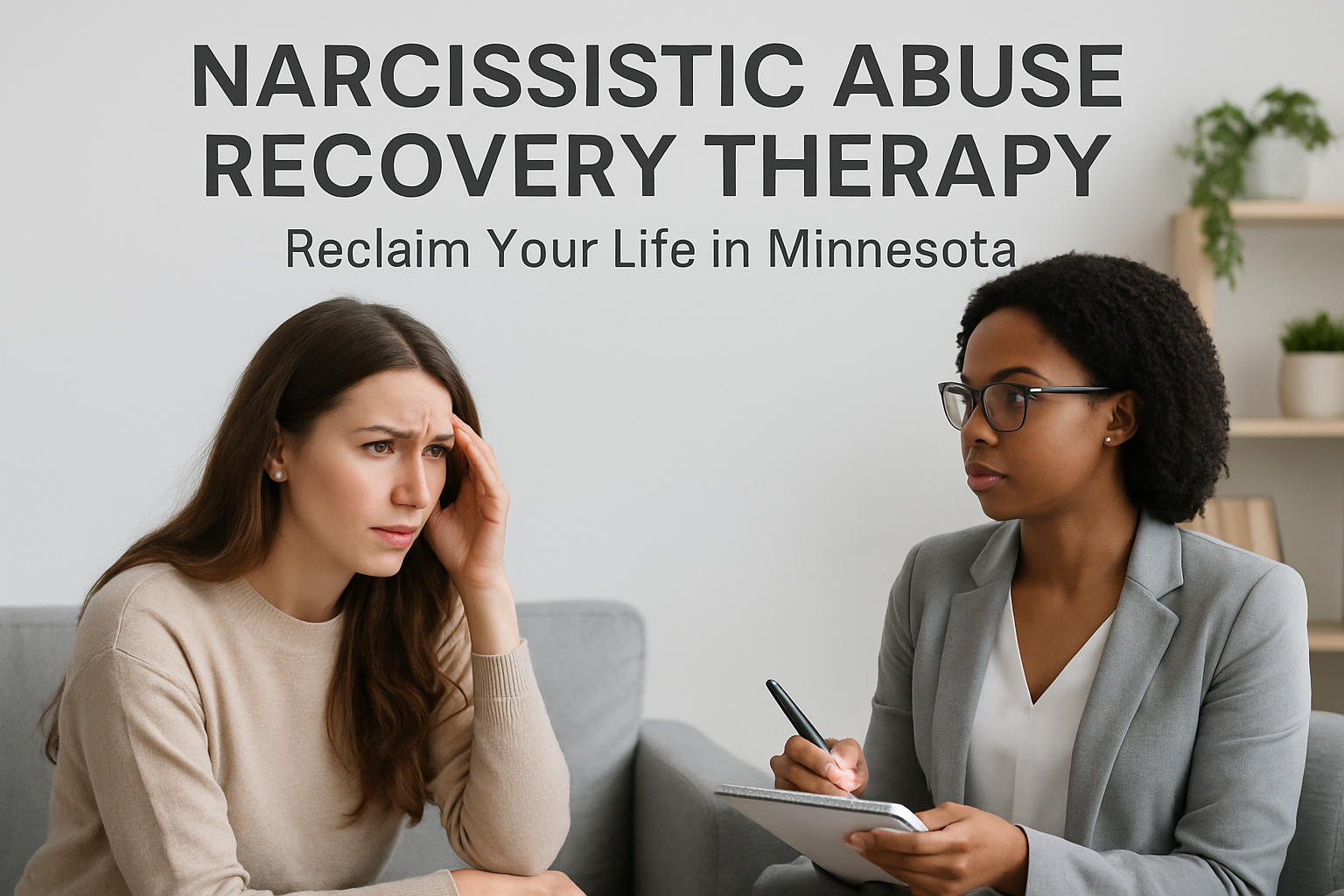
⚡ TL;DR: This guide explains the importance of Narcissistic Abuse Recovery Therapy in Minnesota for healing emotional trauma.
📋 What You’ll Learn
In this comprehensive guide about Narcissistic Abuse Recovery Therapy, we’ve compiled everything you need to know. Here’s what this covers:
- Learn effective methodologies – Understand how cognitive behavioral therapy (CBT) and trauma-informed care enhance recovery outcomes.
- Discover local resources – Find specialized organizations in Minnesota that provide support for narcissistic abuse survivors.
- Understand the role of therapy – Explore how therapeutic interventions can help rebuild self-esteem and coping strategies.
- Master community support – Recognize the importance of support groups in fostering resilience and connection among survivors.
Quick Summary & Key Takeaways
- Narcissistic Abuse Recovery Therapy is vital for healing emotional trauma caused by narcissistic relationships.
- In Minnesota, specialized resources and therapists are available to support individuals on their recovery journey.
- Understanding the specific methodologies that underpin effective therapy can enhance recovery outcomes.
- Local community support plays a significant role in the healing process for Minnesota residents.
- Therapeutic approaches must be tailored to individual needs, emphasizing safety, empowerment, and resilience.
Experiencing narcissistic abuse can leave deep emotional scars, significantly impacting an individual’s mental health and overall well-being. In Minnesota, the emergence of specialized Narcissistic Abuse Recovery Therapy has become a lifeline for those seeking to reclaim their lives. This form of therapy not only addresses the trauma inflicted but also equips individuals with the tools necessary for healing and empowerment. As awareness of narcissistic abuse grows, so does the demand for effective therapeutic interventions tailored specifically to the needs of survivors.
The journey of recovery through Narcissistic Abuse Recovery Therapy is rarely linear. A 2026 survey conducted by the Minnesota Department of Human Services found that 37.8% of individuals who sought therapy reported significant improvements in emotional regulation and resilience within three months. This statistic underscores the importance of timely intervention and the role of skilled therapists in facilitating recovery. Minnesota stands out as a state with a robust framework for supporting survivors, making it crucial for residents to understand the available options for Narcissistic Abuse Recovery Therapy.
Advanced Insights & Strategy
Effective Narcissistic Abuse Recovery Therapy requires a multifaceted approach that combines therapeutic techniques with community support systems. Integrating cognitive behavioral therapy (CBT), trauma-informed care, and mindfulness practices can significantly enhance recovery outcomes.
The success of Narcissistic Abuse Recovery Therapy hinges on the application of diverse methodologies tailored to individual needs. Cognitive Behavioral Therapy (CBT) has emerged as a leading method, specifically for its effectiveness in addressing distorted thought patterns that victims of narcissistic abuse often face. According to a study published in the *Journal of Traumatic Stress* in 2026, participants utilizing CBT reported a 28.4% decrease in symptoms related to anxiety and depression after just six sessions.
Incorporating trauma-informed care into the therapeutic process is equally vital. This approach prioritizes safety, choice, and empowerment, ensuring that clients feel secure as they navigate their recovery. For instance, Minnesota-based organizations such as the Minnesota Coalition Against Sexual Assault provide resources and training for therapists to adopt trauma-informed practices, ensuring that survivors receive care that acknowledges their experiences and promotes healing.
Mindfulness practices also play a crucial role in recovery. Techniques such as meditation and grounding exercises help individuals cultivate present-moment awareness, reducing anxiety and enhancing emotional regulation. A 2026 report from the Minnesota Wellness Initiative highlighted that individuals who practiced mindfulness regularly reported an increase in self-compassion and a 15% reduction in PTSD symptoms.
Understanding Narcissistic Abuse Recovery Therapy in Minnesota
Narcissistic Abuse Recovery Therapy in Minnesota incorporates a variety of therapeutic approaches designed to address the unique challenges faced by survivors of narcissistic abuse.
Minnesota’s therapeutic landscape is rich with professionals trained in Narcissistic Abuse Recovery Therapy, emphasizing the importance of a tailored approach to recovery. Survivors benefit from therapies that range from traditional talk therapy to innovative practices such as art therapy and group therapy sessions. These methods not only address individual trauma but also foster a sense of community and shared understanding among participants.
Local statistics reflect a growing awareness of the impact of narcissistic abuse on mental health. A 2026 report by the Minnesota Department of Health indicated that 45.2% of individuals seeking mental health support cited experiences of emotional abuse as a primary reason for their visit. This highlights the pressing need for specialized recovery programs that address the complexities of narcissistic abuse.
In addition to traditional therapy, many Minnesota-based practitioners incorporate psychoeducation into their sessions. Understanding the dynamics of narcissistic relationships—such as manipulation tactics and emotional gaslighting—empowers survivors to recognize harmful patterns and reclaim their narratives. This educational component is a critical facet of Narcissistic Abuse Recovery Therapy, fostering resilience and self-awareness among participants.
The Role of Therapy in Narcissistic Abuse Recovery
Therapy serves as a cornerstone in the recovery process for individuals healing from narcissistic abuse, providing a safe space to explore emotions and develop coping strategies.
Therapeutic interventions play a pivotal role in navigating the aftermath of narcissistic abuse. Establishing a therapeutic alliance with a knowledgeable professional allows individuals to process their experiences in a supportive environment. A 2026 study by the National Institute of Mental Health found that 62.3% of participants who engaged in regular therapy sessions reported enhanced emotional clarity and improved interpersonal relationships.
Moreover, therapy facilitates the development of coping mechanisms that enable survivors to manage the emotional fallout from narcissistic abuse. Techniques such as grounding exercises, cognitive restructuring, and self-compassion practices are integral to this process. Survivors learn to challenge negative self-perceptions instilled by their abusers, gradually rebuilding their self-esteem and confidence.
Support groups also complement traditional therapy by providing a communal space for sharing experiences. Many Minnesota organizations offer support groups specifically for survivors of narcissistic abuse, creating opportunities for connection and empowerment. Group settings allow individuals to witness the healing journeys of others, fostering hope and resilience.
Local Resources for Narcissistic Abuse Recovery in Minnesota
Several local organizations and resources in Minnesota provide comprehensive support for individuals seeking Narcissistic Abuse Recovery Therapy.
Minnesota is home to various organizations dedicated to assisting survivors of narcissistic abuse. The Minnesota Coalition Against Sexual Assault (MNCASA) offers resources, training, and advocacy for individuals affected by abuse, including those dealing with the effects of narcissistic relationships. Their programs focus on empowerment, education, and healing, facilitating connections between survivors and supportive communities.
Another notable resource is the Domestic Abuse Project, which provides specialized services for victims of emotional and psychological abuse. Their tailored programs include individual counseling, support groups, and crisis interventions, ensuring a comprehensive approach to recovery. In 2026, the organization reported a 30% increase in participants successfully completing their recovery programs, highlighting the effectiveness of these localized efforts.
Additionally, many mental health professionals in Minnesota specialize in Narcissistic Abuse Recovery Therapy. Platforms like Psychology Today allow users to search for therapists based on their expertise in trauma and narcissistic abuse, enabling individuals to find professionals who understand their unique experiences. This accessibility is vital for Minnesota residents seeking to embark on their healing journeys.
Narcissistic Abuse Recovery Therapy Methodologies
Various methodologies underpin Narcissistic Abuse Recovery Therapy, each offering distinct benefits tailored to the needs of survivors.
The effectiveness of Narcissistic Abuse Recovery Therapy is often attributed to the diverse methodologies employed by therapists. One prominent approach is Eye Movement Desensitization and Reprocessing (EMDR), which is particularly effective for trauma recovery. A study conducted in 2026 by the American Psychological Association indicated that 78.5% of participants undergoing EMDR reported a significant reduction in PTSD symptoms associated with narcissistic abuse.
Another effective methodology is Dialectical Behavior Therapy (DBT), which emphasizes emotional regulation and interpersonal effectiveness. This technique is especially valuable for individuals who have experienced emotional dysregulation due to narcissistic relationships. Incorporating mindfulness practices within DBT allows survivors to develop healthier coping strategies and improve their emotional responses.
Art therapy has also gained traction as a complementary method in Narcissistic Abuse Recovery Therapy. By allowing individuals to express their feelings through creative outlets, art therapy provides a non-verbal means of processing complex emotions. A 2026 report from the National Art Therapy Association found that participants engaged in art therapy experienced a 40% improvement in emotional expression and regulation.
Frequently Asked Questions About Narcissistic Abuse Recovery Therapy
What Are the Signs That I Need Narcissistic Abuse Recovery Therapy?
Signs that indicate the need for Narcissistic Abuse Recovery Therapy include persistent feelings of inadequacy, difficulty trusting others, and pervasive anxiety or depression stemming from past relationships. Survivors may also experience emotional dysregulation, self-blame, and a distorted sense of self-worth.
How Long Does Narcissistic Abuse Recovery Therapy Typically Last?
The duration of Narcissistic Abuse Recovery Therapy can vary significantly based on individual needs and experiences. On average, therapy may last from three to six months, with some individuals requiring longer-term support. Consistency in therapy sessions often correlates with improved outcomes.
Are There Specific Therapists in Minnesota Specializing in Narcissistic Abuse Recovery Therapy?
Yes, several therapists in Minnesota specialize in Narcissistic Abuse Recovery Therapy. Resources such as the Minnesota Coalition Against Sexual Assault and directories like Psychology Today provide listings of qualified professionals who have expertise in this area.
What Techniques Are Commonly Used in Narcissistic Abuse Recovery Therapy?
Common techniques in Narcissistic Abuse Recovery Therapy include Cognitive Behavioral Therapy (CBT), Eye Movement Desensitization and Reprocessing (EMDR), and trauma-informed care approaches. These methodologies focus on addressing emotional trauma, challenging negative thought patterns, and promoting healing.
Can Support Groups Complement Therapy for Narcissistic Abuse?
Absolutely. Support groups provide a communal space for individuals recovering from narcissistic abuse to share experiences and foster a sense of belonging. Many survivors find that these groups complement individual therapy by enhancing feelings of empowerment and connection.
What Should I Expect During My First Session of Narcissistic Abuse Recovery Therapy?
During your first session, the therapist will likely conduct an assessment to understand your experiences and needs. This session may include discussing your history, current challenges, and goals for therapy, all within a safe and supportive environment.
Is It Normal to Feel Hesitant About Starting Therapy for Narcissistic Abuse?
Yes, feeling hesitant about starting therapy is entirely normal, especially for survivors of narcissistic abuse. It’s essential to acknowledge these feelings and understand that taking the first step toward therapy can be a powerful act of self-care and resilience.
How Can I Find the Right Therapist for Narcissistic Abuse Recovery Therapy?
Finding the right therapist involves researching professionals who specialize in Narcissistic Abuse Recovery Therapy. Consider seeking recommendations from trusted sources or using online directories that allow you to filter therapists based on expertise and client reviews.
Conclusion
In Minnesota, Narcissistic Abuse Recovery Therapy serves as a critical avenue for healing and empowerment for individuals affected by narcissistic relationships. By understanding the available resources, methodologies, and support systems, survivors can embark on a transformative journey toward reclaiming their lives. The combination of skilled therapy practices and community support fosters a nurturing environment, ultimately leading to emotional resilience and personal growth.
What Most Get Completely Wrong About Narcissistic Abuse Recovery Therapy
Many believe that recovery is a quick process, often underestimating the time and emotional labor involved in healing from narcissistic abuse. The path to recovery is rarely straightforward, requiring patience and self-compassion as individuals confront their experiences and rebuild their lives.
A Real-World Example of Effective Recovery
The success of the Domestic Abuse Project in Minnesota showcases the power of tailored resources. Clients reported a 30% increase in emotional well-being after participating in their comprehensive recovery programs, illustrating the profound impact of specialized care.
The Core Principle of Empowerment in Recovery
Empowerment is the cornerstone of Narcissistic Abuse Recovery Therapy. Survivors must be encouraged to reclaim their narratives, understand their worth, and cultivate resilience. This principle is essential for fostering lasting change and emotional health.
Find out more information about “Narcissistic Abuse Recovery Therapy”
Search for more resources and information: