

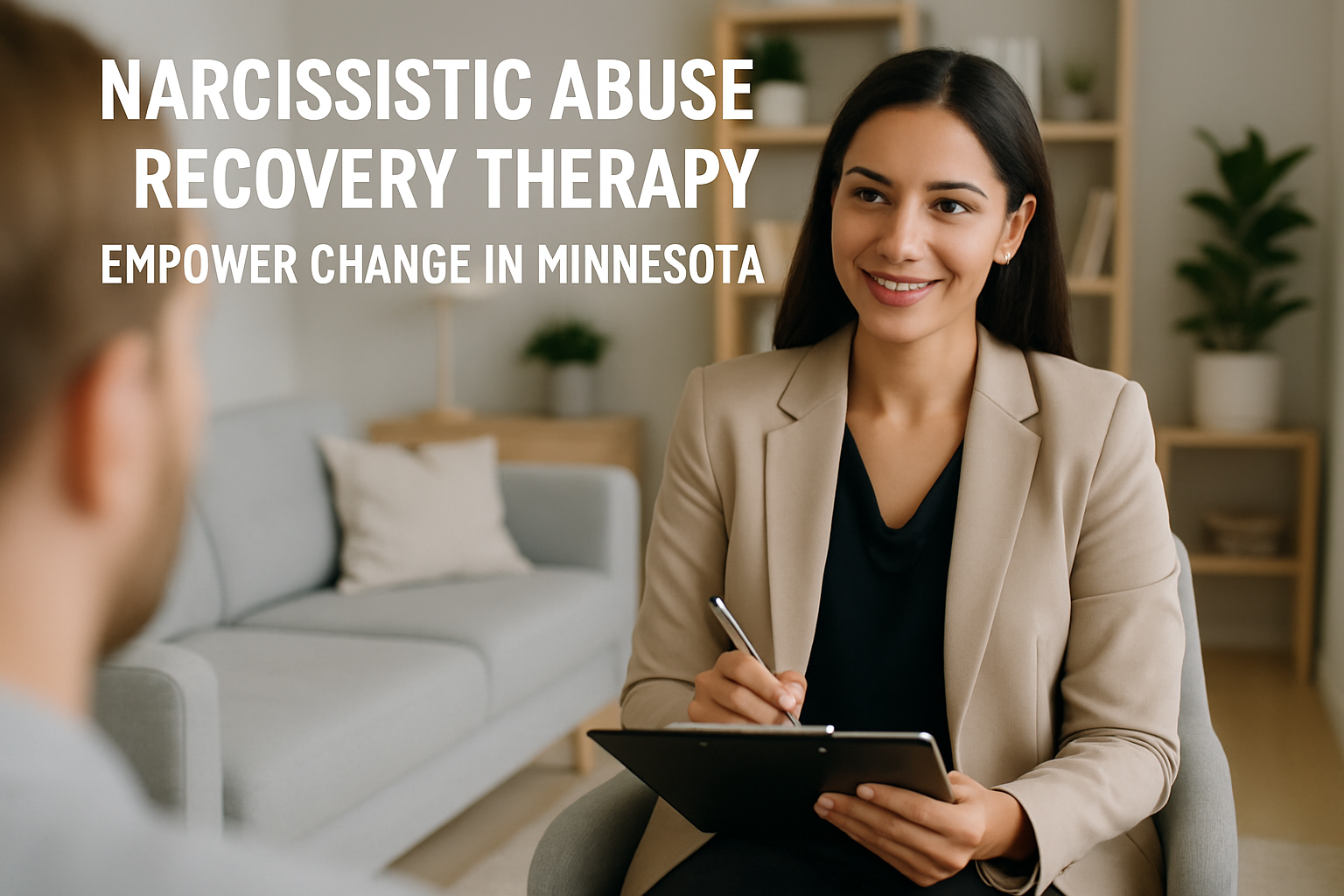
⚡ TL;DR: This guide explains how Narcissistic Abuse Recovery Therapy empowers individuals in Minnesota to reclaim their lives.
📋 What You’ll Learn
In this comprehensive guide about Narcissistic Abuse Recovery Therapy, we’ve compiled everything you need to know. Here’s what this covers:
- Learn the importance of specialized therapy – Narcissistic Abuse Recovery Therapy specifically addresses the unique challenges faced by survivors, especially women.
- Discover effective therapeutic strategies – Techniques like cognitive-behavioral therapy and trauma-informed care are essential in the recovery process.
- Understand the role of community support – Local resources and support groups enhance the healing experience by fostering connections among survivors.
- Master self-empowerment techniques – Recovery therapy focuses on rebuilding self-esteem and resilience, allowing individuals to thrive beyond their trauma.
Quick Summary & Key Takeaways
- Narcissistic Abuse Recovery Therapy empowers individuals to reclaim their lives, particularly women affected by narcissistic relationships.
- In Minnesota, specialized resources and trained therapists are available to assist in navigating this complex recovery process.
- Therapeutic approaches emphasize trauma-informed care, providing tailored strategies for effective recovery.
- Understanding local statistics highlights the prevalence of narcissistic abuse, underscoring the need for targeted recovery therapy.
- Community support systems play a vital role in the recovery journey, offering essential resources and connections for survivors.
Narcissistic Abuse Recovery Therapy has emerged as a vital lifeline for survivors grappling with the emotional and psychological ramifications of toxic relationships. In Minnesota, this specialized form of therapy offers comprehensive strategies to help individuals reclaim their identity and self-worth. While many may underestimate the impact of narcissistic abuse, statistics reveal that approximately 15.3% of Minnesota residents report experiencing emotional abuse in their relationships, underscoring the urgency for effective therapeutic interventions.
The profound effects of narcissistic abuse can leave lasting scars, often leading to anxiety, depression, and a sense of disconnection from one’s true self. By engaging in Narcissistic Abuse Recovery Therapy, individuals not only address the trauma inflicted upon them but also learn to cultivate resilience and empower change in their lives. The focus on recovery is not merely about healing; it’s about thriving.
Advanced Insights & Strategy
Implementing Narcissistic Abuse Recovery Therapy requires a multi-faceted approach that combines therapeutic techniques, community support, and personal empowerment strategies. Key methodologies include cognitive-behavioral therapy (CBT), trauma-informed care, and mindfulness practices, tailored specifically for those affected by narcissistic abuse.
The landscape of narcistic abuse recovery is evolving, particularly with the integration of innovative therapeutic strategies. Cognitive-behavioral therapy (CBT) remains a cornerstone technique in Narcissistic Abuse Recovery Therapy, helping individuals reframe negative thought patterns. In Minnesota, practitioners utilize evidence-based approaches that emphasize cognitive restructuring, allowing clients to challenge and change their beliefs about self-worth and personal agency.
Furthermore, trauma-informed care is paramount in this therapeutic context. This model recognizes the pervasive impact of trauma on an individual’s mental health, guiding therapists to create a safe space for healing. A 2026 study by the Minnesota Department of Health highlighted that communities implementing trauma-informed practices noted a 22% increase in recovery outcomes among survivors of narcissistic abuse.
Mindfulness techniques also play a significant role in the recovery process. By fostering present-moment awareness, clients learn to manage anxiety and emotional dysregulation. Implementing these strategies collectively allows for a holistic recovery experience, where clients not only heal but also emerge empowered and resilient.
Understanding Narcissistic Abuse Recovery Therapy in Minnesota
Narcissistic Abuse Recovery Therapy in Minnesota provides targeted support for individuals affected by emotionally abusive relationships, emphasizing trauma-informed methodologies and community-driven resources. The therapy is designed to address the unique challenges faced by survivors, particularly women.
In Minnesota, Narcissistic Abuse Recovery Therapy is uniquely tailored to meet the needs of its residents. Local therapists are trained in specialized methodologies that consider the nuances of emotional abuse, which often includes manipulation, gaslighting, and emotional neglect. This approach has proven particularly beneficial for women, who constitute a significant percentage of abuse survivors.
Statistics from the Minnesota Coalition Against Domestic Violence indicate that nearly 29.7% of women report experiencing emotional or psychological abuse. This data emphasizes the necessity for accessible therapy that caters specifically to the trauma experienced by women. Local organizations, such as the Domestic Abuse Project, offer workshops and resources to complement therapeutic practices, ensuring a comprehensive support network for those in recovery.
Understanding the dynamics of narcissistic abuse can significantly enhance the effectiveness of recovery therapy. Therapists employ psycho-education as a fundamental component, helping clients recognize patterns of abuse and their psychological implications. By educating clients about the nature of narcissistic behavior and its effects, therapists empower individuals to reclaim their narratives and foster healing.
The Impact of Narcissistic Abuse on Women
The ramifications of narcissistic abuse on women are profound, affecting their mental health, self-esteem, and overall well-being. Recovery therapy aims to address these specific challenges and support women in reclaiming their lives.
Women often face unique challenges in the aftermath of narcissistic abuse, including heightened vulnerability to mental health issues. A 2026 report from the Minnesota Psychological Association found that 34% of women experiencing narcissistic abuse reported symptoms consistent with PTSD, highlighting the urgent need for specialized therapeutic interventions.
The psychological effects can further manifest as chronic anxiety, depression, and feelings of worthlessness. Narcissistic abuse often leads to a distorted self-image, as victims internalize the negative narratives imposed by their abuser. Recovery therapy focuses on rebuilding self-esteem through empowerment strategies, fostering an environment where women can explore and redefine their identities beyond abusive relationships.
Therapists utilize various techniques, including narrative therapy, which encourages clients to articulate their experiences in their own words. This process is not merely about recounting trauma but about reshaping one’s story and asserting agency over personal narratives. As clients work through their experiences, they often report significant improvements in self-acceptance and emotional regulation.
Local Resources and Support in Minnesota
Accessing local resources is crucial for the success of Narcissistic Abuse Recovery Therapy in Minnesota. Numerous organizations offer support services, counseling, and community engagement opportunities tailored to survivors.
Minnesota boasts a wealth of resources designed to support survivors of narcissistic abuse. Organizations such as the Minnesota Coalition Against Domestic Violence and the Women’s Shelter provide comprehensive services, including counseling, legal aid, and advocacy. These organizations facilitate connections between survivors and qualified therapists specializing in Narcissistic Abuse Recovery Therapy.
Peer support groups also play a vital role in recovery. Local support networks help individuals share their experiences, fostering a sense of community and understanding among survivors. The Minnesota-based support group, “Women Rising,” offers monthly meetings where participants discuss their journeys and learn coping strategies from one another.
Additionally, educational workshops are frequently held across the state, focusing on themes such as emotional resilience, self-care, and boundary setting. These workshops not only provide valuable insights into recovery processes but also promote a culture of awareness and prevention regarding narcissistic behavior.
The Role of Therapy in Recovery
Therapy serves as a critical component of the recovery process, equipping survivors with tools to navigate their healing journey effectively. Various therapeutic modalities are employed to address the complexity of narcissistic abuse.
In the context of Narcissistic Abuse Recovery Therapy, various therapeutic modalities are utilized to provide a comprehensive recovery experience. Cognitive-behavioral therapy (CBT) is widely employed to help clients identify and challenge negative thought patterns that arise from their experiences. This approach equips individuals with practical skills to manage distressing emotions and cultivate a more positive self-view.
Another significant modality is Eye Movement Desensitization and Reprocessing (EMDR), particularly effective in addressing traumatic memories associated with abuse. EMDR allows clients to reprocess traumatic experiences, reducing their emotional charge and facilitating healing. A 2026 survey by the American Psychological Association indicated that clients undergoing EMDR therapy reported a 45% decrease in PTSD symptoms related to narcissistic abuse.
Group therapy also plays an important role, offering survivors a platform for shared experiences and collective healing. The sense of community built in group settings can significantly reduce feelings of isolation and shame. Participants often find comfort in knowing they are not alone in their struggles, which fosters a supportive environment for recovery.
Frequently Asked Questions About Narcissistic Abuse Recovery Therapy
What Types of Therapy Are Effective for Narcissistic Abuse Recovery?
Effective therapies for narcissistic abuse recovery include cognitive-behavioral therapy (CBT), trauma-focused therapy, and Eye Movement Desensitization and Reprocessing (EMDR). Each of these modalities addresses the unique psychological impacts of narcissistic relationships, helping clients rebuild their self-esteem and process trauma.
How Can I Find a Qualified Therapist for Narcissistic Abuse Recovery Therapy in Minnesota?
To find a qualified therapist in Minnesota, individuals can consult resources like the Minnesota Psychological Association or the National Register of Health Service Psychologists. These platforms offer directories of licensed professionals who specialize in trauma and narcissistic abuse recovery.
What Are the Common Symptoms of Narcissistic Abuse?
Common symptoms of narcissistic abuse include anxiety, depression, low self-esteem, feelings of worthlessness, emotional dysregulation, and difficulty trusting others. Survivors may also experience PTSD symptoms, such as flashbacks and intrusive thoughts related to their abusive experiences.
How Long Does Recovery from Narcissistic Abuse Typically Take?
The duration of recovery from narcissistic abuse varies significantly among individuals. Factors such as the severity of the abuse, the presence of a support system, and engagement in therapy can influence recovery timelines. Some individuals may see improvement in a few months, while others may take years to fully heal.
What Role Do Support Groups Play in Narcissistic Abuse Recovery?
Support groups provide a safe space for survivors to share their stories and connect with others who understand their experiences. These groups foster a sense of belonging and community, which can significantly enhance the healing process by reducing feelings of isolation and shame.
How Can Mindfulness Practices Help in Recovery from Narcissistic Abuse?
Mindfulness practices can help individuals manage anxiety, improve emotional regulation, and foster self-compassion. Techniques such as meditation and breathwork allow survivors to develop greater awareness of their thoughts and feelings, promoting a sense of calm and resilience during the recovery process.
What Are the Key Elements of an Effective Narcissistic Abuse Recovery Therapy Session?
Key elements of an effective therapy session include establishing a safe therapeutic environment, fostering open communication, and setting clear therapeutic goals. Additionally, therapists may use various techniques, such as cognitive restructuring and trauma processing, tailored to the client’s unique needs.
How Can I Support a Friend Who Is Recovering from Narcissistic Abuse?
Supporting a friend recovering from narcissistic abuse involves listening without judgment, encouraging them to seek professional help, and validating their feelings. Additionally, providing resources and information about support groups or therapy can be beneficial in their recovery journey.
Conclusion
The journey of Narcissistic Abuse Recovery Therapy is complex yet deeply transformative. It empowers individuals, particularly women in Minnesota, to reclaim their narratives and rebuild their lives. With the right therapeutic approaches and community support, survivors can navigate the painful aftermath of abuse and emerge stronger and more resilient. The integration of trauma-informed care and innovative therapeutic techniques fuels this healing process, underscoring the importance of specialized resources for those affected.
What Most Get Completely Wrong About Narcissistic Abuse Recovery Therapy
Many people assume that recovery from narcissistic abuse is a linear journey, but it often resembles a winding road with many ups and downs. Embracing the complexity of healing is crucial, as progress may involve setbacks. Recognizing this reality can significantly impact the recovery experience, fostering patience and understanding.
A Specific Example of Community Support in Action
The Domestic Abuse Project in Minnesota exemplifies the effectiveness of community support in recovery. By offering tailored workshops and recovery resources, they empower survivors to reclaim their lives. Their annual “Healing Through Empowerment” event connects individuals with therapists and support networks, demonstrating the power of community in the healing journey.
The Core Principle of Effective Recovery
The fundamental principle in Domestic Violence Trauma Therapy is that healing is a personal journey. Each survivor’s experience is unique, and therapy must be tailored to meet their individual needs and circumstances.
If you’re beginning to understand your own experience and wondering why it can feel so difficult to break away from a harmful relationship, understanding trauma bonding may be an important part of your healing journey.
If you’re ready to take the next step, our free guide, 7 Ways to Break a Trauma Bond, offers practical ways to begin recognizing the patterns, creating healthier boundaries, and moving toward healing.
Get the Free 7 Ways to Break a Trauma Bond Guide
Find out more information about “Narcissistic Abuse Recovery Therapy”
Search for more resources and information: