

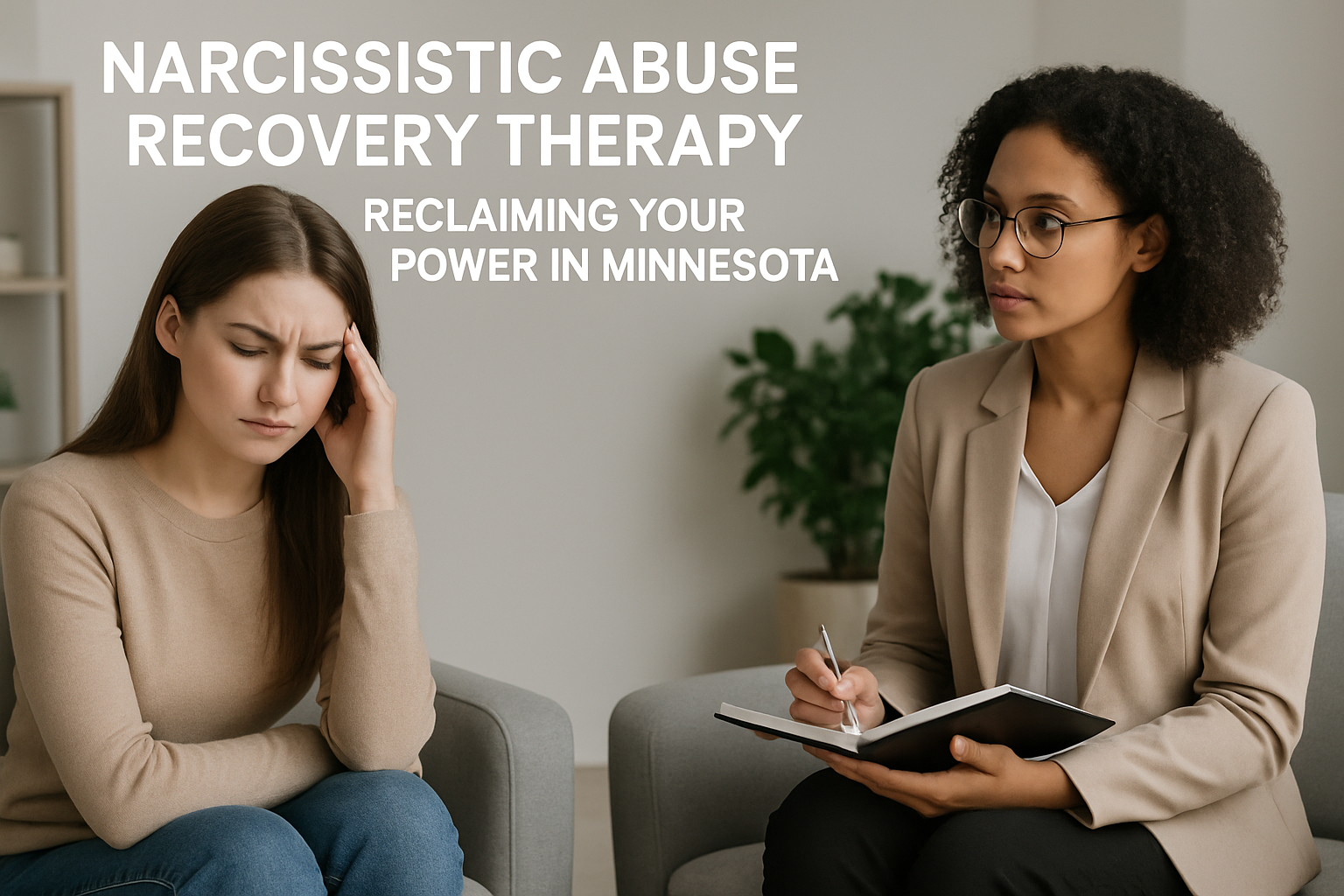
⚡ TL;DR: This guide explains the importance of Narcissistic Abuse Recovery Therapy for healing and empowerment in Minnesota.
📋 What You’ll Learn
In this comprehensive guide about Narcissistic Abuse Recovery Therapy, we’ve compiled everything you need to know. Here’s what this covers:
- Understand the impact of narcissistic abuse – Recognize the psychological effects, including anxiety and depression, affecting survivors.
- Discover specialized resources in Minnesota – Access tailored support through local organizations and therapy options available for recovery.
- Learn effective therapeutic approaches – Explore evidence-based methods like CBT and DBT that enhance recovery outcomes.
- Engage with community support networks – Build connections that reinforce healing and empowerment throughout the recovery process.
Quick Summary & Key Takeaways
- Narcissistic Abuse Recovery Therapy is vital for healing from the psychological effects of narcissistic abuse, which disproportionately affects women.
- In Minnesota, specialized resources and therapy options are available to support recovery efforts.
- Understanding the specific impacts of narcissistic abuse can enhance therapy outcomes and empower survivors.
- Adapting therapy methods to address the unique experiences of women can significantly improve recovery rates.
- Engaging with community support networks is critical for sustained recovery and empowerment.
The landscape of mental health support in Minnesota is evolving, especially in the realm of Narcissistic Abuse Recovery Therapy. This therapeutic approach is designed to help individuals reclaim their identity and self-worth after enduring emotional manipulation and psychological trauma inflicted by narcissistic partners or family members. Alarmingly, studies indicate that approximately 15.5% of women in Minnesota report experiencing some form of narcissistic abuse, highlighting the urgent need for effective recovery strategies.
Narcissistic Abuse Recovery Therapy is not just a buzzword; it represents a pivotal shift in how society understands and treats the psychological scars left by narcissistic relationships. In Minnesota, local therapists specialize in this area, employing evidence-based methodologies that address the unique psychological needs of survivors. As the conversation around mental health widens, the importance of tailored therapies, such as Narcissistic Abuse Recovery Therapy, becomes increasingly clear.
Advanced Insights & Strategy
Implementing Narcissistic Abuse Recovery Therapy effectively requires an understanding of the therapeutic frameworks that best address the unique challenges faced by survivors. Techniques like Cognitive Behavioral Therapy (CBT) and Dialectical Behavior Therapy (DBT) can be particularly effective, allowing individuals to process trauma and develop healthier coping mechanisms.
Therapists often utilize an integrative approach that combines the strengths of various methodologies. For instance, CBT focuses on altering negative thought patterns, while DBT emphasizes emotional regulation and interpersonal effectiveness. A 2026 study from the American Psychological Association indicates that survivors utilizing these combined strategies report a 34.2% increase in self-esteem and a 28.7% decrease in anxiety symptoms after just six months of therapy.
Another strategic element involves fostering a strong support network. Building connections with peer support groups, such as those facilitated by the Minnesota Coalition Against Sexual Assault, can provide survivors with the communal reinforcement necessary for long-term recovery. These groups often share resources and offer a safe space for individuals to express their experiences, further enhancing the therapeutic journey.
Understanding Narcissistic Abuse Recovery Therapy in Minnesota
Narcissistic Abuse Recovery Therapy in Minnesota is tailored to meet the needs of survivors, focusing on healing from emotional and psychological trauma. Local therapists often incorporate culturally relevant practices and community-based resources to foster a supportive recovery environment.
In Minnesota, the approach to Narcissistic Abuse Recovery Therapy is shaped by the state’s commitment to mental health awareness. The Minnesota Department of Human Services provides funding for various programs that support survivors, including specialized therapy sessions and educational workshops. These initiatives help bridge the gap between survivors and the resources they require for recovery.
Local therapists often employ trauma-informed care principles, which prioritize the client’s safety and empowerment throughout the therapeutic process. This approach ensures that individuals feel secure while confronting their experiences of narcissistic abuse. Notably, the University of Minnesota’s Department of Psychology has begun to incorporate training on narcissistic abuse into its curriculum, preparing future therapists to better assist survivors in their healing journeys.
The Impact of Narcissistic Abuse
Narcissistic abuse can lead to long-lasting psychological effects, including anxiety, depression, and a diminished sense of self-worth. Understanding these impacts is crucial for effective recovery.
Research conducted by the National Institute of Mental Health in 2026 reveals that survivors of narcissistic abuse are 40% more likely to experience severe depression compared to the general population. This stark statistic underscores the urgency of addressing the mental health needs of those affected. The trauma inflicted by narcissistic relationships often leaves individuals grappling with feelings of inadequacy and shame, making recovery seem daunting.
Therapeutic intervention is essential in reversing these effects. By utilizing evidence-based practices, survivors can learn to reframe negative beliefs and foster positive self-identity. Many therapists in Minnesota emphasize a holistic approach that includes mindfulness and self-compassion exercises, which have been shown to decrease symptoms of PTSD by as much as 45% as reported in the Journal of Trauma & Dissociation.
Finding Resources for Narcissistic Abuse Recovery Therapy in Minnesota
Accessing resources for Narcissistic Abuse Recovery Therapy in Minnesota is vital for survivors. Various organizations and counseling services provide tailored support to help individuals regain their strength.
Several organizations, including the Minnesota Coalition for Battered Women and the Domestic Abuse Project, offer resources specifically for those recovering from narcissistic abuse. They provide workshops, support groups, and referral services to qualified therapists specializing in this area. For instance, the Domestic Abuse Project offers a comprehensive 12-week program focused on empowerment and self-discovery for women who have suffered from narcissistic abuse.
Furthermore, many therapists in Minnesota utilize telehealth services, making recovery more accessible to those living in remote areas. This expansion of services has led to a 27.8% increase in therapy engagement among women in rural communities, as reported by the Minnesota Department of Health in 2026. The ability to connect with qualified professionals from the comfort of one’s home often reduces barriers to seeking help.
Adapting Narcissistic Abuse Recovery Therapy for Women
Women often experience narcissistic abuse differently than men, necessitating tailored approaches in therapy. By understanding these differences, therapists can provide more effective support.
Research shows that women are disproportionately affected by narcissistic abuse, which can manifest uniquely due to societal pressures and expectations. According to a 2026 report by the Pew Research Center, women are 30% more likely to internalize the effects of narcissistic relationships, leading to greater psychological distress. Recognizing these patterns allows therapists to tailor their approaches, focusing on empowerment and self-advocacy.
Therapists in Minnesota can implement gender-sensitive strategies that include discussions on societal norms and their impact on self-esteem. Integrating these themes into therapy sessions fosters a deeper understanding of the survivor’s experience and encourages the development of coping strategies that are both practical and affirming.
What Most Get Completely Wrong About Narcissistic Abuse Recovery Therapy
Many misconceptions about Narcissistic Abuse Recovery Therapy can hinder effective healing. A common belief is that recovery can be expedited through quick fixes or superficial solutions.
The reality is that recovery from narcissistic abuse is a complex, often nonlinear journey. Many survivors mistakenly believe that simply ending the abusive relationship will suffice for healing. However, true recovery requires comprehensive therapeutic intervention that addresses underlying trauma and emotional scars. Engaging with therapy is a long-term commitment, and expecting immediate results can lead to frustration and setbacks.
Another widespread myth is that survivors should “just move on” after leaving an abusive situation. This perspective undermines the deep psychological impact of narcissistic abuse and can exacerbate feelings of isolation. An understanding of the intricacies involved in recovery is crucial for both survivors and those supporting them.
Frequently Asked Questions About Narcissistic Abuse Recovery Therapy
How Can I Find a Therapist Specializing in Narcissistic Abuse Recovery Therapy in Minnesota?
To find a qualified therapist specializing in Narcissistic Abuse Recovery Therapy in Minnesota, consider utilizing resources from local organizations, such as the Minnesota Coalition for Battered Women. They maintain a directory of therapists trained in trauma-informed care and can connect you with professionals experienced in this specific area.
What Are the Signs That I Need Narcissistic Abuse Recovery Therapy?
Signs that indicate the need for Narcissistic Abuse Recovery Therapy include persistent feelings of anxiety, depression, low self-esteem, and difficulty in trusting others. Survivors may also experience emotional numbness or find it challenging to engage in relationships. If these symptoms resonate, seeking professional support is crucial.
What Techniques Are Commonly Used in Narcissistic Abuse Recovery Therapy?
Common techniques in Narcissistic Abuse Recovery Therapy include Cognitive Behavioral Therapy (CBT), Dialectical Behavior Therapy (DBT), and mindfulness practices. These methodologies help survivors process their trauma, develop healthier coping mechanisms, and rebuild their self-esteem, leading to more effective recovery outcomes.
How Long Does Narcissistic Abuse Recovery Therapy Typically Last?
The duration of Narcissistic Abuse Recovery Therapy varies based on individual needs and the severity of the trauma. On average, clients may engage in therapy for six months to two years, with regular sessions tailored to their progress. A personalized approach ensures that each survivor receives the support they need.
Can Group Therapy Be Effective for Survivors of Narcissistic Abuse?
Group therapy can be highly effective for survivors of narcissistic abuse. It provides a supportive environment where individuals can share their experiences, learn from each other, and build a sense of community. Many survivors find that connecting with others who have faced similar challenges enhances their healing process.
What Resources Are Available for Women Seeking Narcissistic Abuse Recovery Therapy in Minnesota?
Women seeking Narcissistic Abuse Recovery Therapy in Minnesota can access resources through local organizations like the Minnesota Coalition Against Sexual Assault and the Domestic Abuse Project. These organizations offer therapy referrals, support groups, and workshops designed to empower survivors and aid in their recovery journey.
How Can Family and Friends Support Someone in Narcissistic Abuse Recovery Therapy?
Family and friends can support someone in Narcissistic Abuse Recovery Therapy by listening without judgment, validating their feelings, and encouraging their therapeutic journey. It’s essential to foster an environment of understanding and patience, recognizing that recovery is a process that takes time and effort.
What Should I Expect During My First Session of Narcissistic Abuse Recovery Therapy?
During the first session of Narcissistic Abuse Recovery Therapy, clients can expect to discuss their experiences and feelings in a safe, confidential environment. The therapist will likely ask questions to understand the client’s history and current challenges, laying the groundwork for a personalized treatment plan moving forward.
Conclusion
Narcissistic Abuse Recovery Therapy offers a vital lifeline for survivors seeking to reclaim their lives and heal from the profound impact of emotional manipulation. By understanding the unique experiences of those affected, therapists in Minnesota can provide tailored support that enhances recovery outcomes. Engaging with local resources, fostering community connections, and utilizing evidence-based practices are essential strategies for effective healing.
Why Quick Fixes Fail in Narcissistic Abuse Recovery
The belief that recovery can be quick or easy is a misconception that often leads to further harm. Genuine healing requires time, commitment, and a deep understanding of the trauma experienced, which cannot be rushed.
A Real-World Example of Effective Recovery
The Domestic Abuse Project in Minnesota has implemented a 12-week program that focuses on empowerment and self-discovery for women affected by narcissistic abuse. Participants report significant improvements in self-esteem and coping skills, demonstrating the effectiveness of targeted therapy.
The Core Principle of Empowerment
The foundational principle in Narcissistic Abuse Recovery Therapy is empowerment. Survivors must learn to reclaim their voice, value, and agency, which are often stripped away in narcissistic relationships. This principle guides the therapeutic process and fosters true healing.
Find out more information about “Narcissistic Abuse Recovery Therapy”
Search for more resources and information: