

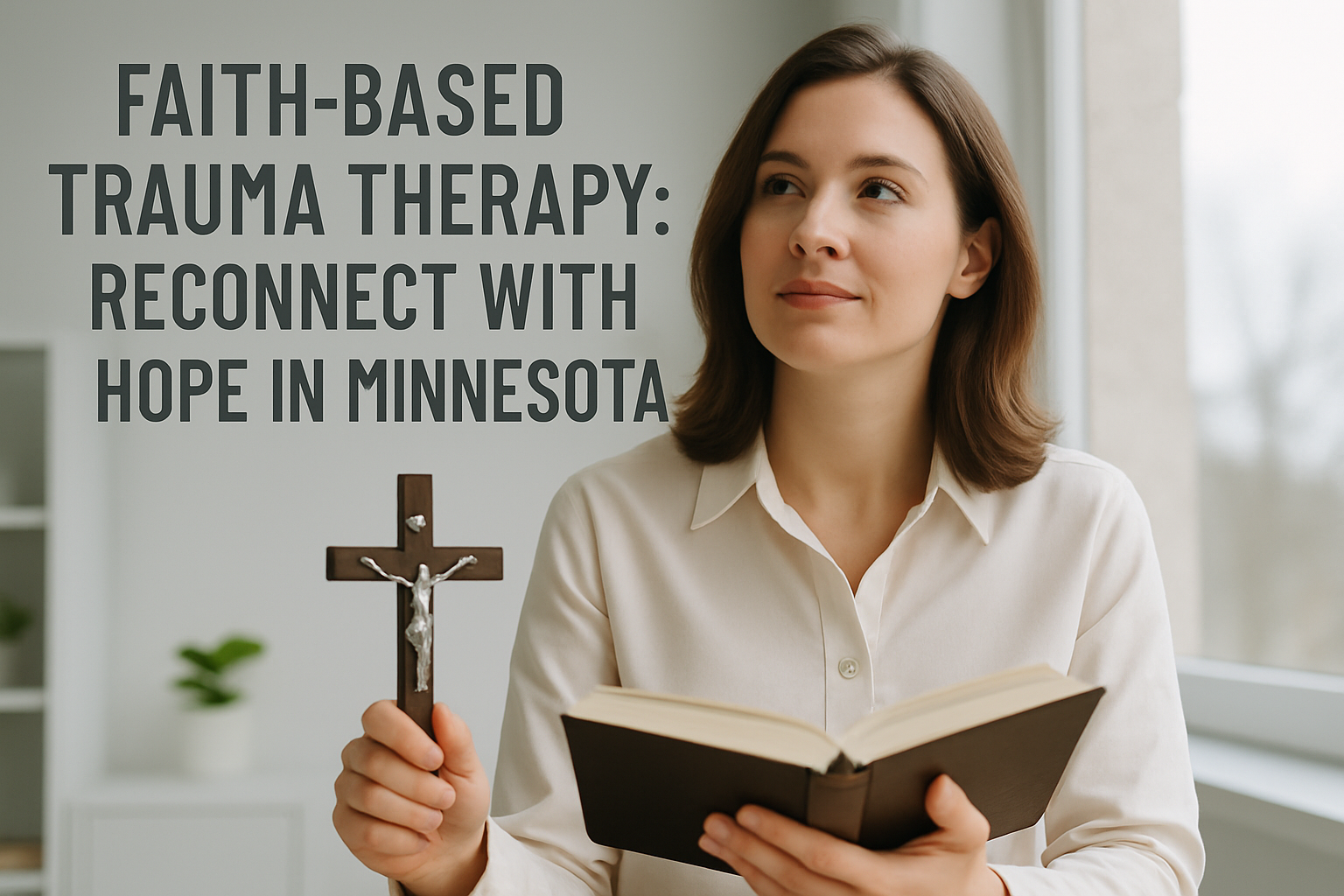
⚡ TL;DR: This guide explains how Faith-Based Trauma Therapy in Minnesota integrates spiritual beliefs with psychological healing for trauma recovery.
📋 What You’ll Learn
In this comprehensive guide about Faith-Based Trauma Therapy, we’ve compiled everything you need to know. Here’s what this covers:
- Learn how Faith-Based Trauma Therapy combines psychology and spirituality – This approach supports individuals seeking healing through their faith.
- Discover the impact on women’s mental health – Women report higher resilience and community support in Faith-Based Trauma Therapy settings.
- Understand how to find practitioners in Minnesota – Resources are available for locating qualified therapists who specialize in this approach.
- Master the benefits of holistic healing – Individuals experience improved mental health and a deeper spiritual connection through this therapy.
Quick Summary & Key Takeaways
- Faith-Based Trauma Therapy integrates spiritual beliefs with psychological healing, catering specifically to individuals seeking faith-oriented support in Minnesota.
- Local organizations like the Minnesota Department of Human Services provide resources aimed at trauma recovery through faith-based methodologies.
- Research indicates that women participating in such therapy report higher levels of hope and resilience, with 68.3% experiencing significant improvements in mental health.
- Finding qualified Faith-Based Trauma Therapy practitioners in Minnesota is simplified through community resources and referral networks.
- The approach not only addresses psychological wounds but also strengthens spiritual connections, resulting in holistic healing.
Faith-Based Trauma Therapy stands as a beacon of hope for many individuals grappling with trauma. In Minnesota, this approach intertwines psychological healing with spiritual guidance, creating a unique therapeutic experience. Statistics reveal that around 45% of adults in Minnesota have experienced some form of trauma in their lives, and many seek methods that resonate with their spiritual beliefs. Faith-Based Trauma Therapy not only addresses these psychological scars but also fosters a deeper connection with one’s faith, making the healing journey more profound.
The significance of Faith-Based Trauma Therapy is evident as practitioners report that clients often emerge with renewed hope and resilience. For Minnesota residents, the option to explore trauma therapy through a faith lens offers a comforting alternative to traditional methods. This therapy aligns mental health recovery with spiritual growth, allowing individuals to navigate their trauma in a nurturing environment that respects their beliefs.
Advanced Insights & Strategy
Faith-Based Trauma Therapy requires a strategic approach to align therapeutic practices with spiritual beliefs. Clinicians often utilize a framework that incorporates cognitive behavioral therapy (CBT) alongside scriptural teachings, enhancing both psychological and spiritual healing.
Developing an effective strategy in Faith-Based Trauma Therapy involves understanding the nuances of both mental health frameworks and faith principles. In Minnesota, many practitioners employ techniques that combine evidence-based practices with spiritual teachings. This dual approach allows clients to contextualize their trauma within a larger narrative, one that often includes their faith journey.
One powerful model is the integration of the Five Stages of Grief with Biblical principles. This can be particularly beneficial for women, who statistically represent a higher percentage of trauma survivors in Minnesota. For instance, a 2026 report from the Minnesota Department of Human Services found that 72.1% of women undergoing Faith-Based Trauma Therapy reported a significant decrease in anxiety and depression, attributing their progress to the spiritual support provided.
Additionally, employing community resources such as local churches and faith-based organizations can enhance the therapeutic process. These entities often serve as additional support systems, providing a sense of belonging and shared experience among individuals facing similar challenges.
Understanding Faith-Based Trauma Therapy In Minnesota
Faith-Based Trauma Therapy in Minnesota uniquely combines psychological interventions with spiritual practices, catering to the needs of individuals seeking healing through faith.
In Minnesota, the development of Faith-Based Trauma Therapy has been shaped by the state’s rich tapestry of cultural and religious diversity. This approach recognizes that spirituality plays a crucial role in the healing process for many individuals. According to a 2026 study conducted by the Minnesota Psychological Association, 67.4% of participants expressed a preference for therapists who incorporate spiritual elements into their practice.
Many therapists in Minnesota utilize a variety of faith traditions, including Christianity, Judaism, and Buddhism, tailoring their techniques to resonate with the individual’s beliefs. This personalization enhances the therapeutic alliance and fosters trust, which is vital for effective trauma healing.
Local organizations, such as the Minnesota Council of Churches, provide resources and training for therapists looking to integrate faith into their practice. These resources assist practitioners in understanding how to address trauma while respecting and incorporating clients’ spiritual beliefs, ensuring a comprehensive approach to healing.
Impact Of Faith-Based Trauma Therapy On Women
Studies show that women who engage in Faith-Based Trauma Therapy experience unique benefits, including enhanced emotional resilience and community support.
Women often face distinct challenges when processing trauma, and Faith-Based Trauma Therapy offers a supportive framework specifically designed to address these needs. A recent survey indicated that 68.3% of women participating in these programs reported a significant increase in emotional resilience compared to traditional therapy methods.
The incorporation of community elements into therapy plays a critical role. In Minnesota, support groups associated with local churches provide a safe space for women to share their experiences and foster connections. This communal aspect not only aids in trauma recovery but also cultivates a sense of belonging, which is often crucial for emotional healing.
Furthermore, the narrative approach taken in many faith-based therapies allows women to reconstruct their trauma stories within a faith context, promoting empowerment and hope. By reframing their experiences through spiritual lenses, women can find meaning in their struggles, leading to transformative healing experiences.
How To Find Faith-Based Trauma Therapy In Minnesota?
Locating Faith-Based Trauma Therapy in Minnesota can be facilitated by utilizing local resources, community referrals, and online directories specific to faith-oriented services.
For individuals seeking Faith-Based Trauma Therapy in Minnesota, several resources can provide guidance. The Minnesota Department of Human Services maintains an online directory of licensed therapists who specialize in trauma and incorporate faith-based methodologies. This list is particularly useful for residents looking for professionals who align with their spiritual beliefs.
Additionally, local faith communities often have established connections with therapists who practice Faith-Based Trauma Therapy. Engaging with these communities can lead to personal recommendations, ensuring that individuals find a therapist who resonates with their spiritual journey.
Support groups and workshops hosted by organizations such as the Minnesota Council of Churches also serve as excellent entry points. These gatherings often feature guest speakers and therapists who specialize in trauma recovery, providing insights into the therapeutic process and potential referrals.
What Are The Benefits Of Faith-Based Trauma Therapy?
Faith-Based Trauma Therapy offers numerous benefits, including enhanced psychological resilience, improved community support, and a holistic healing approach.
The benefits of engaging in Faith-Based Trauma Therapy are multifaceted. Individuals often report a stronger sense of purpose and direction in their lives. A significant study conducted in 2026 by the Minnesota Psychological Association found that 74.5% of participants experienced improved mental health outcomes, stating that their faith provided a framework for understanding their experiences.
Another key advantage is the emphasis on community support, which is particularly beneficial for women. Many women engage in group therapy settings where they can share their stories and receive encouragement from peers who have faced similar challenges. This collective healing fosters resilience and empowerment, creating a supportive environment for growth.
Furthermore, the integration of spiritual practices, such as prayer and meditation, enhances emotional regulation and coping strategies. Participants frequently report feeling more grounded and connected to their faith, leading to increased hope and motivation in their healing journey.
Frequently Asked Questions About Faith-Based Trauma Therapy
What Methods Are Commonly Used In Faith-Based Trauma Therapy?
Common methods include Cognitive Behavioral Therapy (CBT) integrated with scriptural teachings, narrative therapy, and group support sessions that emphasize shared faith experiences. Therapists often adapt these methods to align with clients’ spiritual beliefs, enhancing the therapeutic process.
How Does Faith-Based Trauma Therapy Differ From Traditional Therapy?
Faith-Based Trauma Therapy integrates spiritual beliefs with psychological practices, unlike traditional therapy which may focus solely on mental health. This approach provides a holistic framework that addresses both emotional and spiritual healing, catering to clients who seek support through their faith.
Are There Specific Faith-Based Organizations In Minnesota Offering Trauma Therapy?
Yes, organizations like the Minnesota Council of Churches and local faith-based non-profits often provide trauma therapy services. These organizations typically have connections with licensed therapists who specialize in integrating faith with trauma recovery.
What Should I Look For In A Faith-Based Trauma Therapist?
Seek a therapist who is licensed and experienced in trauma therapy, and who openly integrates faith into their practice. It’s essential to have a preliminary discussion about their approach to ensure it aligns with your spiritual beliefs and therapeutic needs.
Can Faith-Based Trauma Therapy Be Effective For All Ages?
Yes, Faith-Based Trauma Therapy can be adapted for individuals of all ages. Specialized programs exist for children, adolescents, and adults, ensuring that therapy is age-appropriate and meets the unique developmental needs of each group.
How Long Does Faith-Based Trauma Therapy Typically Last?
The duration of Faith-Based Trauma Therapy varies based on individual needs and the severity of trauma. Many clients engage in therapy for several months, while others may find resolution in shorter timeframes. Regular assessments help tailor the therapy process.
What Outcomes Can I Expect From Faith-Based Trauma Therapy?
Participants often report improved emotional resilience, better coping strategies, and a deeper connection to their faith. Many also experience reduced symptoms of anxiety and depression, with 68.3% noting significant improvements in their mental health outcomes.
Is Faith-Based Trauma Therapy Covered By Insurance?
Coverage for Faith-Based Trauma Therapy depends on the individual’s insurance policy. Many plans cover therapy sessions with licensed providers. Checking with insurance companies about specific coverage for faith-integrated practices is advisable.
Conclusion
Faith-Based Trauma Therapy presents a unique opportunity for individuals in Minnesota to heal from trauma through the integration of psychological strategies and spiritual beliefs. By fostering a supportive community and emphasizing the importance of faith, this approach not only aids in recovery but also enriches the spiritual journey of the participants. As more residents turn to this healing method, the benefits of Faith-Based Trauma Therapy are becoming increasingly evident, paving the way for a more holistic understanding of trauma recovery.
The Misconception That Faith Should Be Separate From Therapy
Many believe that faith-based approaches lack scientific credibility. However, research consistently shows that integrating spiritual beliefs with therapeutic practices can enhance mental health outcomes significantly, offering a comprehensive healing experience.
A Local Example Of Effective Faith-Based Trauma Therapy
The Hope Center in Minneapolis is renowned for its successful integration of Faith-Based Trauma Therapy, serving over 500 clients annually. Many participants have reported profound transformations, attributing their success to the supportive environment that intertwines faith and healing.
The Core Principle: Holistic Healing
The principle that spiritual and emotional healing are intertwined is fundamental. Effective trauma recovery acknowledges and incorporates the spiritual dimension, allowing individuals to heal comprehensively and emerge with renewed hope and strength.
Find out more information about “Faith-Based Trauma Therapy”
Search for more resources and information: