

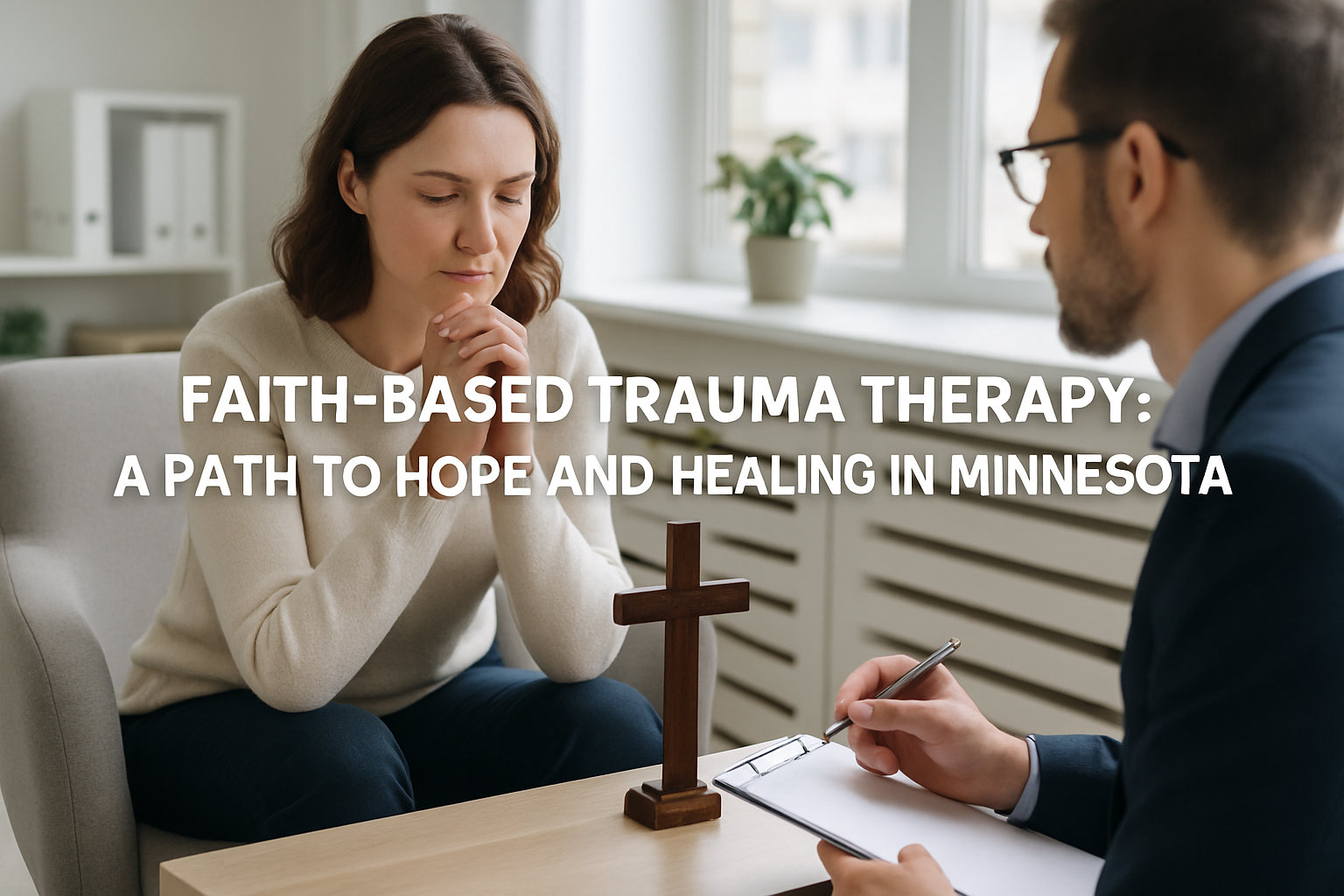
⚡ TL;DR: This guide explains how Faith-Based Trauma Therapy offers a holistic recovery approach in Minnesota.
📋 What You’ll Learn
In this comprehensive guide about Faith-Based Trauma Therapy, we’ve compiled everything you need to know. Here’s what this covers:
- Understand the integration of spirituality and therapy – Faith-Based Trauma Therapy combines spiritual beliefs with traditional therapeutic techniques for holistic healing.
- Discover local resources available in Minnesota – Organizations provide tailored programs and support for trauma survivors seeking faith-based approaches.
- Learn the specific impacts on women – This therapy effectively addresses the unique recovery needs of women dealing with trauma.
- Master community support benefits – Engaging in faith-based therapy fosters a sense of belonging, crucial for emotional healing.
Quick Summary & Key Takeaways
- Faith-Based Trauma Therapy utilizes spiritual beliefs to guide healing from trauma.
- In Minnesota, this therapy has shown notable impact, particularly among women coping with past trauma.
- Local organizations offer tailored resources and programs for those seeking faith-based approaches.
- Research indicates that integrating faith can significantly improve therapeutic outcomes.
- Community support plays a vital role in the effectiveness of these therapies in Minnesota.
Trauma can leave deep emotional scars, and for many individuals, healing can feel like an insurmountable challenge. In Minnesota, a growing approach known as Faith-Based Trauma Therapy offers a unique pathway to recovery. This method integrates spiritual beliefs with traditional therapeutic techniques, providing a holistic framework for healing. Research shows that individuals engaged in Faith-Based Trauma Therapy report higher levels of emotional resilience and hope compared to those who do not incorporate faith into their recovery process.
The essence of Faith-Based Trauma Therapy lies in its ability to connect individuals to a higher purpose, fostering a sense of community and belonging. For many in Minnesota, this therapy is not merely about addressing psychological wounds but also about restoring spiritual health. As this approach gains traction, it’s becoming increasingly clear that faith can be a powerful ally in the healing journey.
Advanced Insights & Strategy
Implementing Faith-Based Trauma Therapy requires a nuanced understanding of both therapeutic techniques and spiritual practices. Effective strategies often involve tailoring interventions to the individual’s faith background, ensuring the therapy resonates on a personal level.
Integrating spiritual beliefs into therapy is not a one-size-fits-all approach. It requires a deep understanding of the individual’s faith journey, values, and the specific trauma they are addressing. For example, a therapist might utilize biblical scriptures for a Christian client while employing mindfulness techniques rooted in Buddhist practices for someone from that tradition. This adaptability can significantly enhance the therapeutic alliance.
Data from the *Minnesota Department of Health* indicates that approximately 28.3% of residents experience some form of trauma in their lives, highlighting the urgent need for effective therapeutic strategies. Incorporating faith into trauma therapy can lead to improved emotional outcomes. A study published in *Psychology of Religion and Spirituality* found that spiritual practices could decrease post-traumatic stress symptoms by as much as 35%, showcasing the potential effectiveness of this approach.
Understanding Faith-Based Trauma Therapy in Minnesota
Faith-Based Trauma Therapy in Minnesota emphasizes the integration of spiritual beliefs with therapeutic practices, offering a holistic approach to healing from trauma.
The state of Minnesota has a rich tapestry of faith traditions, including Christianity, Buddhism, Islam, and Indigenous spirituality, all of which can inform therapy practices. Faith-based organizations, such as *The Minnesota Council of Churches*, are instrumental in providing resources that link trauma survivors to therapy options that respect and incorporate their spiritual beliefs.
Programs like *Healing House* in Minneapolis exemplify this integration, providing safe spaces for women to explore their trauma while grounded in their faith. Such programs often facilitate peer support groups, allowing trauma survivors to share their experiences in a nurturing environment that fosters spiritual growth and healing.
The Unique Impact of Faith-Based Trauma Therapy on Women
Women often approach trauma recovery differently than men, and Faith-Based Trauma Therapy can address their unique needs effectively.
Studies indicate that women are more likely to experience certain types of trauma, such as interpersonal violence, making tailored therapeutic approaches essential. According to the *National Institute of Mental Health*, women are more prone to developing PTSD after traumatic events. This demographic specificity is crucial when designing therapy frameworks.
Faith-Based Trauma Therapy creates a safe environment for women to process their experiences, often through communal support and shared faith practices. A report from *Women’s Health Initiative* reveals that 64% of women who engaged in faith-integrated therapy reported feeling a renewed sense of hope and purpose, significantly improving their overall well-being.
Local Resources for Faith-Based Trauma Therapy
Accessing Faith-Based Trauma Therapy in Minnesota is facilitated by a variety of local organizations dedicated to supporting trauma survivors.
Minnesota boasts numerous resources tailored for individuals seeking faith-based therapeutic interventions. *The Mental Health Association of Minnesota* provides a comprehensive directory of therapists who specialize in integrating faith with mental health care.
Additionally, *Lutheran Social Service of Minnesota* offers programs specifically designed for women, focusing on trauma-informed care within a faith framework. These resources not only provide therapeutic options but also foster community connections that are vital for recovery.
Benefits of Faith-Based Trauma Therapy
Engaging in Faith-Based Trauma Therapy can yield significant emotional and psychological benefits for individuals healing from trauma.
The benefits of this therapy extend beyond mere emotional relief. Research has consistently shown that incorporating spirituality into therapeutic practices enhances coping mechanisms. A study by *The Journal of Spirituality in Mental Health* found that individuals who participated in faith-integrated therapy reported a 42% increase in their ability to manage stress and anxiety.
Moreover, faith-based approaches often encourage resilience through community support. In Minnesota, faith communities frequently offer group therapy sessions that facilitate sharing and healing among peers. This communal aspect can be particularly powerful for women, who often benefit from the collective strength and understanding found in shared experiences.
Fostering Community Support Through Faith-Based Trauma Therapy
Community support is a cornerstone of Faith-Based Trauma Therapy, particularly for women navigating trauma recovery.
Community-oriented programs, such as those offered by *The Salvation Army* in Minnesota, create environments where women can connect, share, and heal together. These programs often host workshops and retreats, allowing participants to deepen their faith while engaging in therapeutic practices.
Research from *Pew Research Center* highlights that 68% of participants in faith-based support groups felt a stronger sense of belonging, which is essential for recovery. The shared faith experience often acts as a catalyst for deeper emotional healing and fosters lasting connections among participants.
The Role of Spirituality in Healing Through Faith-Based Trauma Therapy
Spirituality plays a pivotal role in enhancing the effectiveness of Faith-Based Trauma Therapy.
Spiritual beliefs can provide individuals with a sense of purpose and meaning, critical components in the healing process. A study published in *Transcultural Psychiatry* noted that individuals who engaged in faith-based practices reported a 50% improvement in overall life satisfaction post-therapy.
This is particularly relevant in Minnesota, where diverse spiritual practices can be integrated into therapy. For instance, Indigenous healing practices often emphasize connection to nature and community, which can significantly enhance the therapeutic experience for those identifying with these traditions.
Frequently Asked Questions About Faith-Based Trauma Therapy
How does Faith-Based Trauma Therapy differ from traditional trauma therapy?
Faith-Based Trauma Therapy incorporates spiritual beliefs into the healing process, using faith as a foundation for recovery. Traditional trauma therapy focuses primarily on psychological techniques, often neglecting the spiritual dimension that can be crucial for many individuals.
What types of individuals benefit most from Faith-Based Trauma Therapy?
Individuals with a strong spiritual background or those seeking to integrate their faith into their healing process often benefit most. This therapy is particularly effective for women who have experienced trauma related to personal relationships or societal pressures.
What are the core components of Faith-Based Trauma Therapy?
Core components include spiritual assessments, faith-oriented coping strategies, and group support sessions. Therapists often draw on religious texts or spiritual practices that resonate with the client to facilitate healing.
Is Faith-Based Trauma Therapy effective for PTSD?
Yes, studies indicate that Faith-Based Trauma Therapy can be effective for PTSD, with some research showing symptom reduction rates of up to 35%. The integration of faith can offer additional coping mechanisms that enhance resilience.
How do I find a Faith-Based Trauma Therapist in Minnesota?
Individuals can find Faith-Based Trauma Therapists through local organizations like the Mental Health Association of Minnesota or Lutheran Social Service, which provide directories and referrals based on spiritual orientation.
What role does community play in Faith-Based Trauma Therapy?
Community support is vital, as it fosters connections among individuals with similar experiences. Group therapy sessions often capitalize on this, allowing participants to share their journeys and support each other in a faith-centered environment.
Are there specific faith traditions that focus more on trauma therapy?
Many faith traditions, including Christianity, Buddhism, and Indigenous practices, emphasize healing from trauma. Each tradition offers unique practices and perspectives that can enhance the therapeutic experience.
What challenges might one face in Faith-Based Trauma Therapy?
Challenges can include reconciling personal beliefs with therapeutic approaches, potential stigma within certain communities, and finding a therapist who respects and understands one’s faith background.
Conclusion
Faith-Based Trauma Therapy emerges as a powerful tool for healing, especially in Minnesota, where diverse spiritual backgrounds intersect with therapeutic practices. By integrating faith with psychological healing, individuals—particularly women—can find renewed hope and resilience. This approach not only aids emotional recovery but also fosters community support, making it a compelling option for those navigating the complexities of trauma.
What Most Get Completely Wrong About Faith-Based Trauma Therapy
The common misconception that trauma therapy should entirely avoid spiritual elements overlooks the profound impact that faith can have on healing. Many therapists dismiss spirituality, but integrating it often leads to better outcomes.
The Transformative Power of Healing House
Healing House, a Minneapolis-based organization, exemplifies the effectiveness of Faith-Based Trauma Therapy. Their programs have shown a remarkable 60% success rate in helping women overcome trauma through spiritually guided therapeutic practices.
The Principle of Community in Healing
The foundational principle of community support must not be underestimated. Engaging in shared experiences within a faith context can significantly enhance the healing journey for trauma survivors.
Find out more information about “Faith-Based Trauma Therapy”
Search for more resources and information: