

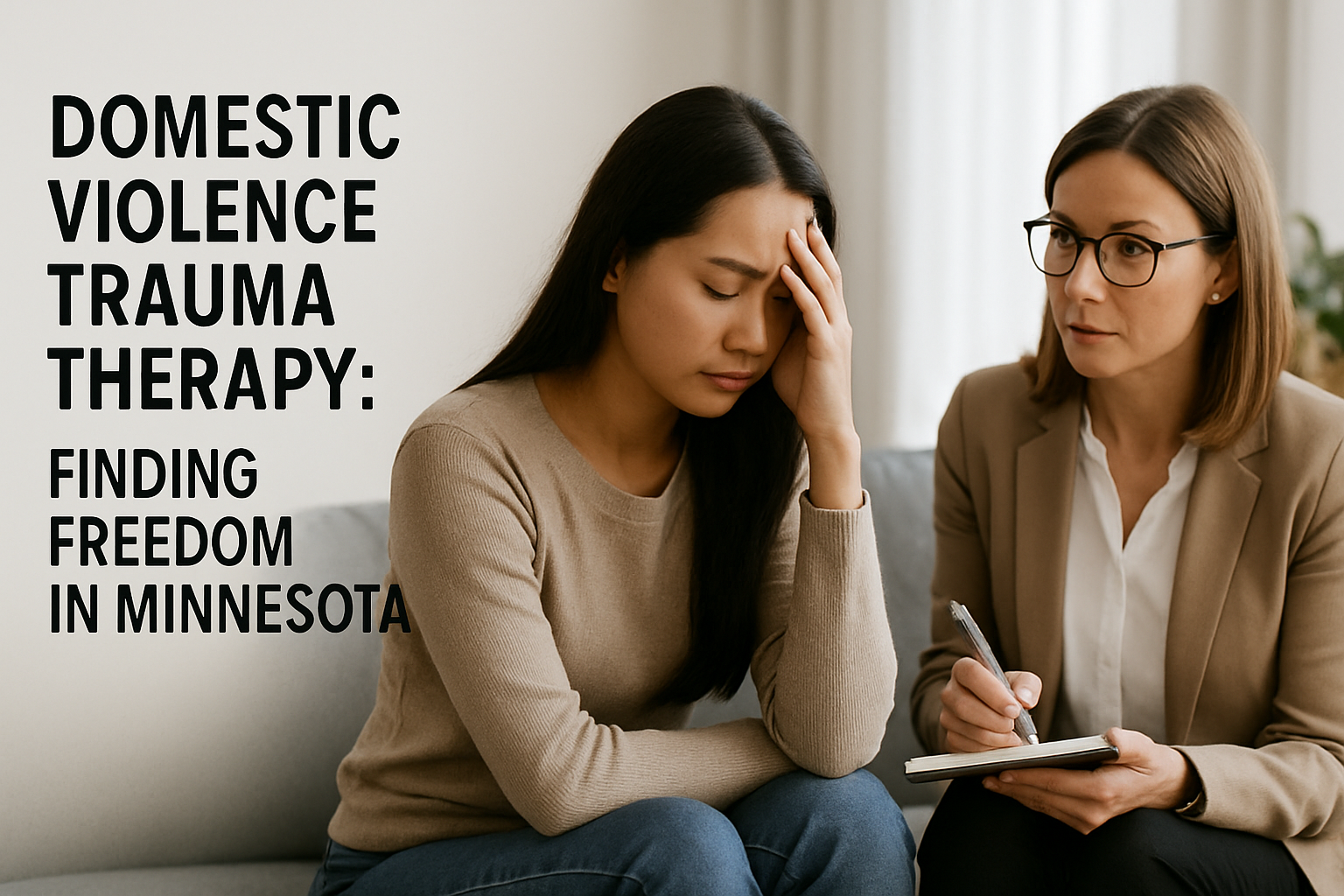
⚡ TL;DR: This guide explains the importance of Domestic Violence Trauma Therapy for survivors in Minnesota.
📋 What You’ll Learn
In this comprehensive guide about Domestic Violence Trauma Therapy, we’ve compiled everything you need to know. Here’s what this covers:
- Understand the significance of therapy – Domestic Violence Trauma Therapy addresses both emotional and psychological impacts of abuse.
- Discover local support resources – Organizations like the Minnesota Coalition for Battered Women offer vital therapy options and advocacy.
- Master the misconceptions – Recognizing the complexity of the healing journey helps set realistic expectations for survivors.
- Learn about tailored therapeutic approaches – Personalized therapy methods such as CBT and trauma-informed care enhance recovery outcomes.
Quick Summary & Key Takeaways
- Domestic Violence Trauma Therapy is crucial for survivors in Minnesota, addressing both emotional and psychological impacts.
- Local resources, such as the Minnesota Coalition for Battered Women, provide essential support for trauma therapy.
- Understanding the local laws and community support systems enhances the effectiveness of trauma therapy in Minnesota.
- Many misconceptions exist about the therapy process and its accessibility for survivors.
- Real-life examples underscore the importance of tailored therapy approaches in healing trauma.
Domestic Violence Trauma Therapy plays a pivotal role in helping survivors reclaim their lives, especially within the unique context of Minnesota. Statistics reveal that approximately 1 in 4 women in Minnesota experience severe intimate partner physical violence, highlighting an urgent need for effective trauma therapy strategies. This therapy not only addresses the immediate emotional scars but also fosters resilience and empowerment among survivors. It becomes a vital pathway for individuals seeking to break free from the cycle of abuse.
Across Minnesota, various services offer Domestic Violence Trauma Therapy that is tailored to the specific needs of survivors. These programs integrate a range of therapeutic approaches, including cognitive behavioral therapy, mindfulness, and group therapy. Each of these modalities addresses the trauma in nuanced ways, emphasizing the importance of a personalized approach to healing. As one in three victims report experiencing long-term emotional distress, the demand for comprehensive trauma therapy is more pressing than ever.
How Do I Understand Domestic Violence Trauma Therapy in Minnesota?
Domestic Violence Trauma Therapy in Minnesota focuses on addressing the psychological effects of abuse through tailored therapeutic approaches. By employing methods like cognitive behavioral therapy and trauma-informed care, practitioners help survivors process their experiences and develop coping strategies. Minnesota’s unique cultural and legal context further shapes the therapy landscape, ensuring that services are accessible and relevant to local communities.
Understanding the landscape of Domestic Violence Trauma Therapy in Minnesota involves recognizing the state’s commitment to providing robust support systems for survivors. The Minnesota Department of Health reports that around 40% of women who experience domestic violence suffer from post-traumatic stress disorder (PTSD). This underscores the need for effective therapeutic interventions that can alleviate long-lasting psychological impacts.
Local laws, such as the Minnesota Domestic Abuse Act, ensure that survivors have access to necessary resources, including legal protection and counseling services. These legal frameworks facilitate a supportive environment where survivors can seek help without fear of retribution. Furthermore, community organizations, such as the Minnesota Coalition for Battered Women, advocate for comprehensive trauma therapy options, emphasizing the importance of culturally sensitive approaches.
What Is The Importance of Domestic Violence Trauma Therapy?
Domestic Violence Trauma Therapy is crucial for survivors as it addresses both immediate and long-term psychological effects of abuse. Survivors often experience anxiety, depression, and PTSD, which can hinder their ability to function effectively in daily life. By providing targeted therapeutic interventions, this therapy empowers individuals to heal emotionally and regain control over their lives.
The importance of Domestic Violence Trauma Therapy cannot be overstated. The trauma inflicted by domestic violence often leads to profound psychological disturbances. According to the National Domestic Violence Hotline, survivors frequently experience a range of emotional challenges, including anxiety disorders, depression, and complex PTSD. This therapy addresses these issues head-on, equipping survivors with essential coping strategies.
Therapists utilize various modalities to facilitate healing. For instance, trauma-informed care emphasizes understanding the impact of trauma on an individual’s life, allowing for a more empathetic and effective therapeutic process. Additionally, cognitive behavioral therapy (CBT) helps survivors reframe negative thought patterns associated with their experiences. This dual approach—addressing immediate emotional distress while fostering long-term resilience—highlights the multifaceted benefits of Domestic Violence Trauma Therapy.
Where Can I Find Local Resources for Domestic Violence Trauma Therapy in Minnesota?
In Minnesota, survivors can access a range of local resources tailored for Domestic Violence Trauma Therapy. Organizations like the Minnesota Coalition for Battered Women and various community mental health centers provide essential services, including individual counseling, support groups, and legal advocacy. These resources are designed to empower survivors and ensure they receive the comprehensive care they need.
Minnesota boasts a variety of resources dedicated to supporting survivors of domestic violence. The Minnesota Coalition for Battered Women (MCBW) serves as a pivotal organization, offering resources and advocacy for victims. MCBW operates a network of domestic violence shelters and support services statewide, ensuring that survivors can access vital therapy options.
Additionally, local mental health centers, such as the Hennepin County Mental Health Center, provide specialized trauma therapy services tailored to the needs of domestic violence survivors. These centers often offer low-cost or sliding scale fees, making therapy more accessible. The integration of legal advocacy within these services further empowers survivors, enabling them to navigate the complexities of legal systems while focusing on their healing process.
What Most Get Completely Wrong About Domestic Violence Trauma Therapy
Many misconceptions surround Domestic Violence Trauma Therapy, often leading to stigma and misunderstanding about the healing process. One common myth is that therapy is a quick fix, neglecting the reality that healing from trauma is a long-term journey. Survivors may find themselves facing setbacks, which are normal and should be expected as part of the recovery process.
The prevailing narrative often suggests that therapy is a straightforward, linear process. However, the reality is much more complex. Survivors of domestic violence navigate a landscape filled with emotional upheaval, and the path to healing is rarely direct. Many practitioners emphasize that setbacks are part of the recovery journey. This understanding allows survivors to approach therapy with realistic expectations and fosters resilience.
Additionally, misconceptions about therapy being solely talk-based can deter individuals from seeking help. In reality, effective Domestic Violence Trauma Therapy often incorporates experiential techniques, such as art therapy or somatic experiencing, which engage the body in the healing process. By addressing both emotional and physical responses to trauma, these approaches can lead to deeper healing and empowerment.
Frequently Asked Questions About Domestic Violence Trauma Therapy
How Can I Find Qualified Domestic Violence Trauma Therapy Providers in Minnesota?
Finding qualified providers involves researching local mental health centers, such as the Minnesota Department of Human Services’ resources. Additionally, organizations like the Minnesota Coalition for Battered Women can offer referrals to certified therapists specializing in trauma therapy.
What Are the Common Therapies Used in Domestic Violence Trauma Therapy?
Common therapies include cognitive behavioral therapy (CBT), trauma-focused cognitive behavioral therapy (TF-CBT), and eye movement desensitization and reprocessing (EMDR). Each of these methods addresses trauma in unique ways, providing survivors with coping strategies and emotional processing techniques.
How Does Domestic Violence Trauma Therapy Differ for Women and Men?
While both men and women can experience trauma from domestic violence, therapy often incorporates gender-sensitive approaches. Women may face specific societal pressures and trauma responses that require targeted interventions, while men’s therapy might focus on addressing stigma and emotional expression.
What Role Does Support Community Play in Domestic Violence Trauma Therapy?
A supportive community is vital for survivors. Group therapy sessions and peer support networks provide a sense of belonging and understanding, helping individuals realize they are not alone in their experiences. This communal support enhances the therapeutic process.
Can Domestic Violence Trauma Therapy Help with PTSD Symptoms?
Yes, Domestic Violence Trauma Therapy is specifically designed to address PTSD symptoms. Therapeutic modalities like EMDR and CBT are particularly effective in reducing anxiety, flashbacks, and other PTSD-related symptoms.
How Long Does Domestic Violence Trauma Therapy Typically Last?
The duration of therapy varies by individual needs, but many survivors engage in therapy for several months to years. Regular assessments by the therapist can help determine the appropriate length based on progress and personal goals.
What Are the Costs Associated with Domestic Violence Trauma Therapy?
Costs can vary significantly depending on the provider and specific therapy type. Many organizations, including community mental health centers, offer sliding scale fees based on income, making therapy more accessible for survivors.
Is It Possible to Access Online Domestic Violence Trauma Therapy?
Yes, many therapists now offer online sessions, which can be beneficial for survivors who may not feel safe attending in-person therapy. Teletherapy has become a viable option, especially since the COVID-19 pandemic, expanding access to needed services.
Conclusion
Domestic Violence Trauma Therapy is a critical component in the recovery journey for survivors, particularly in Minnesota’s unique context. With tailored therapeutic approaches and robust local resources, individuals can find the support they need to heal and regain their lives. Addressing the complexities of trauma through effective therapy not only aids in emotional recovery but also empowers individuals to break free from the cycle of abuse.
Why Many Survivors Overlook the Importance of Domestic Violence Trauma Therapy
Despite the clear benefits, many survivors underestimate the importance of seeking therapy, often believing they can manage their trauma independently. This approach can lead to prolonged emotional suffering and hinder their path to recovery.
A Real-World Example of Effective Domestic Violence Trauma Therapy
A notable example is the success of the Women’s Advocates program in St. Paul, which integrates trauma-informed care and community support. Through their comprehensive approach, they have helped hundreds of women reclaim their lives and overcome the psychological scars of domestic violence.
The Core Principle of Healing Through Domestic Violence Trauma Therapy
Engaging in Domestic Violence Trauma Therapy is not a sign of weakness; it is a proactive step towards healing. Survivors should embrace therapy as a powerful tool for empowerment and self-discovery.
Find out more information about “Domestic Violence Trauma Therapy”
Search for more resources and information: