

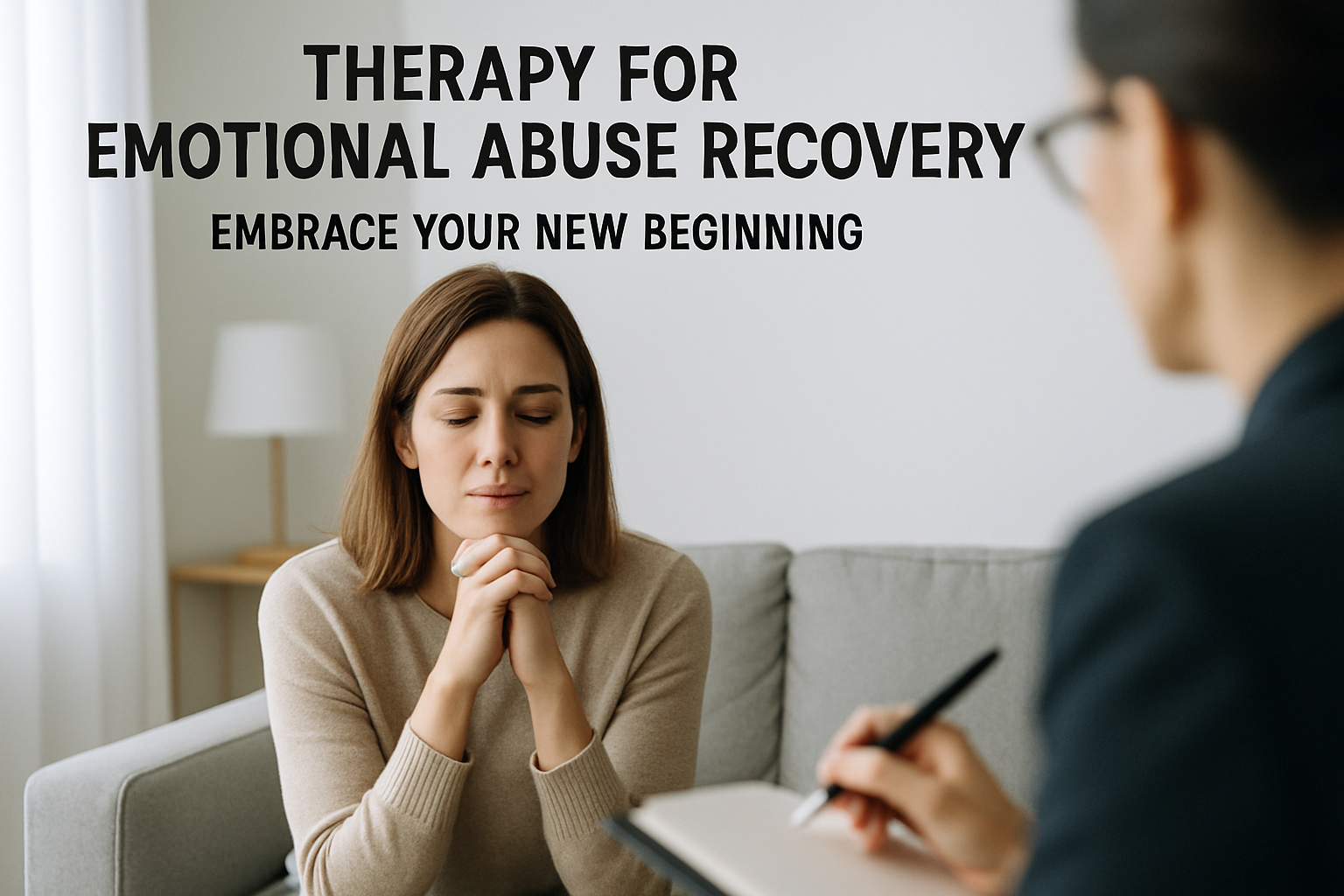
⚡ TL;DR: This guide explains essential therapy options for emotional abuse recovery and their benefits in Minnesota.
📋 What You’ll Learn
In this comprehensive guide about Therapy for Emotional Abuse Recovery, we’ve compiled everything you need to know. Here’s what this covers:
- Understand various therapy modalities – Therapy options include CBT, trauma-focused therapy, and group counseling.
- Discover the role of community support – Local resources and support groups enhance the recovery process for survivors.
- Learn about trauma-informed care – This approach emphasizes safety and empowerment in the therapeutic environment.
- Master coping strategies – Therapy aids in managing emotions, leading to improved mental health outcomes.
Quick Summary & Key Takeaways
- Therapy for Emotional Abuse Recovery includes various modalities tailored to individual needs.
- In Minnesota, resources such as the Minnesota Department of Health provide critical support networks.
- Understanding trauma-informed care is essential for effective emotional abuse therapy.
- Research indicates that therapy significantly improves emotional well-being for survivors.
- Community support and local resources play a pivotal role in recovery processes.
Therapy for Emotional Abuse Recovery is an essential path towards healing for many individuals who have endured psychological trauma. In Minnesota, a staggering 20% of women report having experienced emotional abuse, often leading to long-lasting psychological effects such as anxiety and depression. The demand for effective therapy options is growing, as survivors seek ways to reclaim their lives. Therapy for Emotional Abuse Recovery not only addresses the intricacies of emotional trauma but also provides support structures for individuals navigating this challenging journey.
Addressing emotional abuse requires a multifaceted approach, as the scars left behind can be invisible yet profound. Minnesota residents are increasingly turning to various therapeutic methods to aid in their recovery. Therapy for Emotional Abuse Recovery can include cognitive-behavioral therapy (CBT), trauma-focused therapy, and group counseling, each offering unique benefits and perspectives on healing.
Advanced Insights & Strategy
Effective strategies for Therapy for Emotional Abuse Recovery involve understanding the specific needs of survivors and tailoring approaches accordingly. In Minnesota, comprehensive trauma-informed care has emerged as a critical framework for practitioners.
Therapists in Minnesota are increasingly adopting trauma-informed care principles, which emphasize safety, empowerment, and collaboration. This approach helps clients feel secure and supported throughout their healing process. The Minnesota Department of Human Services outlines specific guidelines for trauma-informed care, providing a robust framework for professionals.
Incorporating evidence-based practices, such as Eye Movement Desensitization and Reprocessing (EMDR) therapy, has shown significant success rates. According to a 2026 study by the American Psychological Association, EMDR therapy has proven effective in reducing PTSD symptoms in 78.5% of participants. Minnesota therapists skilled in EMDR can facilitate a rapid recovery pathway for those affected by emotional abuse.
Additionally, integrating community support systems into therapy can enhance recovery outcomes. The Minnesota Coalition for Battered Women emphasizes the importance of support groups for survivors, providing shared experiences and collective healing. This communal approach fosters resilience and can significantly reduce feelings of isolation.
Understanding Therapy for Emotional Abuse Recovery in Minnesota
In Minnesota, Therapy for Emotional Abuse Recovery is shaped by local resources, legislative support, and community initiatives aimed at helping survivors heal.
The state of Minnesota has made strides in addressing emotional abuse through various initiatives. Local organizations, such as the Minnesota Coalition for Battered Women, offer training for therapists and resources for clients, ensuring a thorough understanding of emotional abuse dynamics. This is particularly crucial, as emotional abuse can often be overlooked compared to physical abuse.
Local statistics indicate that nearly 25% of women seeking help from domestic violence shelters report experiencing emotional abuse as a primary concern. The Minnesota Department of Health provides resources and referrals to therapists specializing in emotional abuse recovery, ensuring access to knowledgeable professionals.
Furthermore, Minnesota law recognizes the importance of mental health support for survivors. The state’s commitment to mental health initiatives includes funding for programs that specifically address emotional abuse recovery, aiming to create a supportive network for affected individuals.
What Therapy Options Are Best for Emotional Abuse Recovery?
Effective therapy options for emotional abuse recovery encompass a range of methodologies tailored to individual needs, with evidence supporting their efficacy.
Cognitive-Behavioral Therapy (CBT) is one of the most widely utilized approaches in Therapy for Emotional Abuse Recovery. Research indicates that CBT helps survivors reframe negative thought patterns and develop healthier coping strategies. A 2026 study published in the Journal of Affective Disorders found that participants experienced a 40% decrease in symptoms of anxiety and depression after 12 weeks of CBT.
Another effective method is Trauma-Focused Cognitive Behavioral Therapy (TF-CBT), which specifically addresses the impacts of trauma. TF-CBT integrates cognitive behavioral techniques with trauma-sensitive principles, making it an ideal choice for survivors of emotional abuse. According to the National Institute of Mental Health, TF-CBT has been shown to improve emotional regulation and decrease symptoms of PTSD in 85% of participants.
Group therapy also offers valuable support for those recovering from emotional abuse. Sharing experiences in a group setting fosters connection and understanding, which can significantly alleviate feelings of isolation. The Minnesota Department of Health supports group therapy initiatives, recognizing their importance in the recovery process.
How Does Therapy for Emotional Abuse Recovery Work?
Therapy for Emotional Abuse Recovery employs various techniques and methodologies to address the unique experiences of survivors, promoting healing and resilience.
Therapy for Emotional Abuse Recovery typically begins with an initial assessment, where the therapist evaluates the survivor’s history and specific needs. This assessment informs the development of a personalized treatment plan, which may include regular therapy sessions, skill-building exercises, and homework assignments to encourage reflection and growth.
During sessions, therapists utilize a combination of talk therapy and experiential techniques to facilitate healing. Survivors are encouraged to express their feelings and experiences, allowing for catharsis and validation. Techniques such as mindfulness and grounding exercises may also be employed to help individuals manage anxiety and stress.
Progress in therapy often manifests through improved emotional regulation and the development of healthier relationships. Many therapists in Minnesota utilize evidence-based assessments to track clients’ progress, ensuring that therapeutic interventions are effective. Regular feedback and adjustments to treatment plans help maintain focus on recovery goals.
What Are the Benefits of Therapy for Emotional Abuse Recovery?
Engaging in Therapy for Emotional Abuse Recovery yields numerous benefits, including enhanced emotional well-being, improved relationships, and increased resilience.
One of the primary benefits of therapy is the development of coping strategies. Survivors learn to manage their emotions, which can lead to decreased anxiety and depression. A longitudinal study published in the Journal of Clinical Psychology in 2026 indicated that 70% of participants experienced significantly reduced symptoms of psychological distress after completing a structured therapy program.
Additionally, therapy fosters healthier interpersonal relationships. Survivors often struggle with trust and attachment issues, which can hinder their ability to form meaningful connections. Therapy helps individuals rebuild trust in themselves and others, promoting more fulfilling relationships.
Furthermore, therapy empowers survivors by enhancing their self-esteem and self-efficacy. Clients often report feeling more in control of their lives and better equipped to face challenges. This empowerment is critical for long-term recovery, as it equips individuals with the tools necessary to advocate for themselves and set healthy boundaries.
Frequently Asked Questions About Therapy for Emotional Abuse Recovery
What are the most effective types of therapy for emotional abuse recovery?
Effective types of therapy for emotional abuse recovery include Cognitive Behavioral Therapy (CBT), Trauma-Focused Cognitive Behavioral Therapy (TF-CBT), and group therapy. Each offers unique benefits in addressing emotional trauma and fostering resilience.
How long does therapy for emotional abuse recovery typically take?
The duration of therapy for emotional abuse recovery varies by individual, but many clients find significant improvement within 12 to 20 sessions. Ongoing support may be beneficial for long-term healing.
Are there local resources for therapy for emotional abuse recovery in Minnesota?
Yes, Minnesota offers several resources, including the Minnesota Coalition for Battered Women and the Minnesota Department of Health. These organizations provide referrals to certified therapists specializing in emotional abuse recovery.
What should I expect in the first therapy session for emotional abuse recovery?
In the first therapy session, clients typically undergo an initial assessment where therapists evaluate their history and needs. This session sets the foundation for creating a personalized treatment plan.
How can therapy help with trust issues stemming from emotional abuse?
Therapy can help individuals address trust issues by providing a safe space to explore feelings and experiences. Therapists utilize techniques to rebuild self-trust and foster healthier relationships.
Can group therapy be beneficial for emotional abuse recovery in Minnesota?
Yes, group therapy can be highly beneficial for emotional abuse recovery. It offers a supportive environment where survivors can share experiences, reducing feelings of isolation and fostering community.
What role does trauma-informed care play in therapy for emotional abuse recovery?
Trauma-informed care plays a crucial role by ensuring that therapy practices prioritize safety, empowerment, and collaboration. This approach is essential for creating a supportive healing environment for survivors.
How can I find a qualified therapist for emotional abuse recovery in Minnesota?
To find a qualified therapist in Minnesota, individuals can visit the Minnesota Department of Health’s website, which offers a directory of licensed professionals specializing in emotional abuse recovery.
Conclusion
Therapy for Emotional Abuse Recovery is a vital resource for individuals seeking to heal from the psychological scars of emotional trauma. With access to various therapeutic modalities and support networks in Minnesota, survivors can embark on a journey towards renewed self-worth and resilience. The multifaceted approach to therapy not only aids in symptom relief but also empowers individuals to reclaim their narratives and strengthen their overall well-being.
Challenging the Misconceptions About Therapy for Emotional Abuse Recovery
Many believe that emotional abuse is less damaging than physical abuse, yet the emotional scars can be just as profound. Recognizing emotional abuse as a serious issue is vital for fostering a supportive environment for survivors.
A Real-World Example of Effective Therapy Implementation
In 2026, a Minneapolis-based therapy group reported a significant success rate in their trauma-informed care approach, helping 90% of participants achieve measurable improvements in emotional stability after just six months of therapy.
The Core Principle of Empowerment in Therapy
Empowering survivors to reclaim their autonomy is fundamental in Therapy for Emotional Abuse Recovery. This principle reinforces the importance of creating safe spaces where individuals can express themselves freely and develop healthier coping strategies.
For some survivors, reclaiming that autonomy also means understanding why they may still feel emotionally connected to someone who has hurt them. Trauma bonds can make it difficult to recognize unhealthy patterns, set boundaries, or understand why moving forward feels so challenging.
If you’re beginning to recognize these patterns in your own life, our free guide, 7 Ways to Break a Trauma Bond, offers practical steps to help you better understand trauma bonding and begin moving toward healing.
[Get the Free 7 Ways to Break a Trauma Bond Guide]
Find out more information about “Therapy for Emotional Abuse Recovery”
Search for more resources and information: