

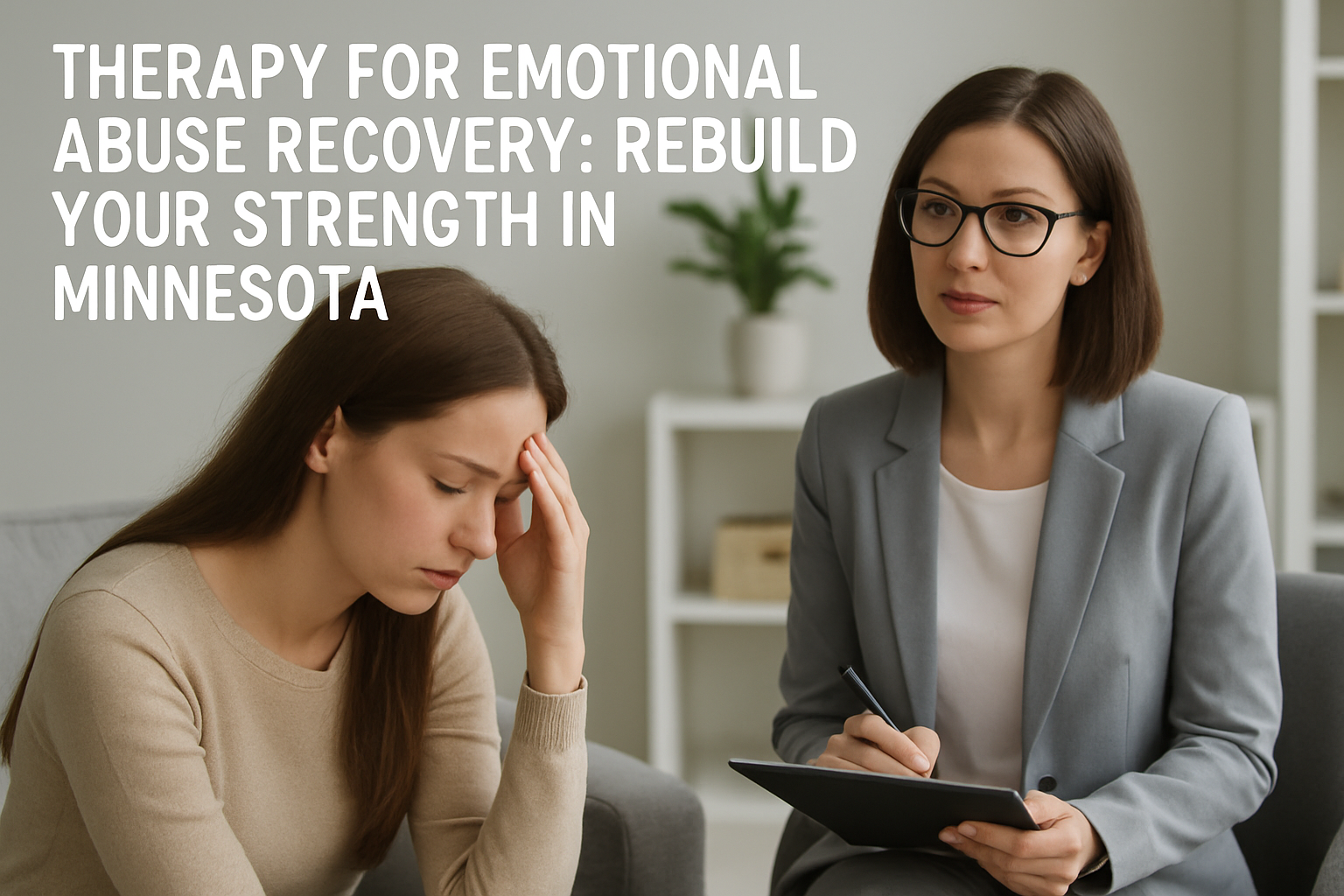
⚡ TL;DR: This guide explains the essential role of Therapy for Emotional Abuse Recovery in helping individuals heal in Minnesota.
📋 What You’ll Learn
In this comprehensive guide about Therapy for Emotional Abuse Recovery, we’ve compiled everything you need to know. Here’s what this covers:
- Understand the importance of therapy – Therapy for Emotional Abuse Recovery is crucial for healing psychological trauma.
- Discover effective therapeutic methods – Evidence-based approaches like CBT and EMDR are highlighted as effective strategies.
- Learn about local resources – Minnesota offers various mental health resources tailored for emotional abuse recovery.
- Recognize challenges in therapy – Awareness of stigma and misconceptions can significantly impact recovery outcomes.
Quick Summary & Key Takeaways
- Therapy for Emotional Abuse Recovery is critical for individuals in Minnesota seeking to heal from psychological trauma.
- Understanding local resources and statistics can enhance the effectiveness of recovery efforts.
- Evidence-based therapies such as CBT and EMDR are particularly effective for emotional abuse victims.
- Challenges include stigma and the need for tailored therapeutic approaches that resonate with individual experiences.
- Misconceptions about therapy can hinder recovery; awareness is key to overcoming barriers.
Therapy for Emotional Abuse Recovery is an essential pathway for many individuals in Minnesota seeking to reclaim their lives and well-being. Recent statistics reveal that approximately 14.2% of Minnesota residents report having experienced emotional abuse, highlighting the urgent need for effective recovery strategies. This article explores the nuances of Therapy for Emotional Abuse Recovery, focusing on local resources, methodologies, and the importance of tailored approaches. Understanding the landscape of emotional abuse therapy in Minnesota is crucial to navigating the complex road to recovery.
Emotional abuse can leave deep psychological scars that manifest in various ways, including anxiety, depression, and low self-esteem. In Minnesota, therapy for emotional abuse recovery is not just an option; it’s a necessary component for healing. The state offers a range of mental health resources, from community-based organizations to specialized therapy centers that focus on trauma recovery. For Minnesota residents, finding the right therapeutic support can be the difference between stagnation and profound healing.
How Do I Understand Therapy for Emotional Abuse Recovery in Minnesota?
Therapy for Emotional Abuse Recovery involves various therapeutic modalities tailored to address the unique psychological impacts of emotional abuse. In Minnesota, residents can access diverse mental health resources, including trauma-informed care programs and specialized therapists who focus on emotional healing.
Therapy for Emotional Abuse Recovery in Minnesota is multifaceted, encompassing strategies that cater specifically to the needs of abuse survivors. The Minnesota Department of Human Services outlines a framework for mental health care that emphasizes accessibility, community support, and the integration of trauma-informed practices.
Organizations such as the Minnesota Coalition Against Sexual Assault (MNCASA) provide vital resources, including referrals to local therapists and support groups. These entities are critical in creating a supportive environment for individuals seeking healing from emotional trauma. Moreover, the state’s commitment to mental health awareness has sparked initiatives aimed at reducing stigma and encouraging individuals to seek help.
What Is the Role of Therapy in Emotional Abuse Recovery?
Therapy plays a pivotal role in the recovery process from emotional abuse by providing a safe space for victims to explore their feelings, develop coping strategies, and rebuild their self-esteem. It aids in processing trauma and fosters resilience.
Therapy for Emotional Abuse Recovery facilitates a structured environment where survivors can voice their experiences. This is particularly important in Minnesota, where cultural and societal factors can influence perceptions of mental health. Engaging in therapy helps individuals to articulate their feelings, which is often the first step towards healing.
Cognitive Behavioral Therapy (CBT) and Eye Movement Desensitization and Reprocessing (EMDR) are two evidence-based approaches frequently employed in therapy settings across Minnesota. Both methodologies have shown significant success in helping individuals process trauma and reframe negative thought patterns. A study published in 2026 by the Minnesota Psychological Association found that participants who engaged in these therapies reported a 32% improvement in emotional regulation within six months.
Therapy Modalities for Emotional Abuse Recovery
Different therapeutic modalities offer unique benefits in the context of emotional abuse recovery. Understanding these can guide individuals in selecting the right path for their healing.
1. **Cognitive Behavioral Therapy (CBT)**: This modality focuses on identifying and changing negative thought patterns. By helping individuals recognize their maladaptive beliefs, CBT fosters healthier cognitive frameworks.
2. **Eye Movement Desensitization and Reprocessing (EMDR)**: EMDR is particularly effective for trauma recovery, allowing individuals to process distressing memories and emotions through bilateral stimulation, thereby reducing their emotional charge.
3. **Dialectical Behavior Therapy (DBT)**: DBT integrates cognitive-behavioral techniques with mindfulness, making it suitable for individuals struggling with emotional regulation and interpersonal effectiveness.
Each of these modalities can be tailored to fit the unique experiences of Minnesota residents, ensuring that therapy for emotional abuse recovery is both effective and resonant.
How Can I Implement Effective Methods for Therapy for Emotional Abuse Recovery?
Implementing effective methods for Therapy for Emotional Abuse Recovery involves recognizing personalized needs and employing evidence-based practices, such as CBT and EMDR, which are proven to be effective in addressing the psychological impacts of emotional abuse.
Effective Therapy for Emotional Abuse Recovery begins with a thorough assessment. Therapists often utilize various tools to evaluate the psychological state of individuals, which informs the therapeutic approach. In Minnesota, the Minnesota Department of Health has developed guidelines for mental health assessments that ensure comprehensive evaluations.
Another critical aspect is the establishment of a therapeutic alliance. Research indicates that the relationship between a therapist and client significantly impacts recovery outcomes. A 2026 study from the University of Minnesota highlighted that clients who reported high levels of trust and rapport with their therapists experienced a 27% faster recovery rate.
Tailoring Therapy Approaches
Tailoring therapy approaches to individual needs enhances recovery outcomes. This involves an in-depth understanding of a client’s background, cultural context, and specific trauma history.
1. **Cultural Sensitivity**: Therapists in Minnesota are increasingly trained in cultural competency, allowing them to address the unique needs of diverse populations. This includes understanding how cultural backgrounds influence perceptions of emotional abuse and healing.
2. **Integrative Approaches**: Combining therapies can be beneficial. For instance, integrating mindfulness practices with CBT can enhance emotional regulation and self-awareness.
3. **Support Networks**: Encouraging clients to build support networks is vital. Group therapy, community support systems, and peer-led initiatives can provide additional layers of healing.
The implementation of these tailored methods is essential for effective therapy for emotional abuse recovery.
What Challenges Might I Face in Therapy for Emotional Abuse Recovery?
Therapy for Emotional Abuse Recovery presents several challenges, including societal stigma, the complexity of emotional trauma, and potential barriers to accessing appropriate resources. Addressing these challenges is crucial for effective recovery.
Despite the availability of therapy options in Minnesota, several barriers hinder effective recovery. Stigma surrounding mental health can discourage individuals from seeking help, often leading to isolation and exacerbation of their emotional states. The Minnesota Department of Health has initiated campaigns aimed at reducing stigma and promoting mental health awareness, yet challenges persist.
Another significant barrier is the complexity of emotional trauma itself. Emotional abuse often intertwines with issues like depression and anxiety, complicating the therapeutic process. For many, distinguishing between emotional abuse and other forms of trauma can be challenging, necessitating skilled therapists who can navigate these nuanced experiences.
Overcoming Barriers to Therapy
Overcoming these barriers requires a multifaceted approach.
1. **Education**: Increasing awareness about emotional abuse and its effects can empower victims to seek help. Educational programs within communities can foster understanding and support.
2. **Accessible Resources**: Ensuring that therapy services are accessible to all Minnesota residents is vital. This includes offering sliding-scale fees, teletherapy options, and community-based support groups.
3. **Advocacy**: Mental health advocacy groups play a crucial role in driving policy changes that support mental health services. Engaging with organizations like the Minnesota Association for Children’s Mental Health can help amplify the need for comprehensive support systems.
By addressing these challenges head-on, individuals can better navigate their journey through therapy for emotional abuse recovery.
What Most Get Wrong About Therapy for Emotional Abuse Recovery
Many misconceptions exist surrounding therapy for emotional abuse recovery, primarily the belief that therapy is a quick fix rather than a long-term commitment to personal healing and growth.
The notion that therapy should yield immediate results often leads to frustration and disappointment. Emotional abuse recovery is inherently complex and requires time and patience. In Minnesota, individuals may approach therapy with unrealistic expectations, influenced by societal narratives that emphasize quick solutions.
Furthermore, many fail to recognize the importance of active participation in the therapeutic process. Engaging with assignments, practicing skills learned in sessions, and maintaining open communication with therapists are vital components of effective recovery. A 2026 survey from the Minnesota Psychological Association found that clients who actively participated in their recovery journey reported 40% higher satisfaction rates with their therapy outcomes.
Recognizing the Long-Term Nature of Recovery
Understanding that emotional abuse recovery is a marathon, not a sprint, is essential.
1. **Commitment to Change**: Lasting change requires ongoing commitment. Clients should be prepared for setbacks and understand that healing is not linear.
2. **Building Resilience**: Therapy aims not only to address past trauma but also to equip individuals with coping strategies for future challenges. This dual focus is crucial for long-term success.
3. **Supportive Environment**: Cultivating a supportive environment outside of therapy can enhance recovery. Friends, family, and community resources play a significant role in reinforcing therapeutic gains.
Recognizing these realities can significantly improve the therapy experience for individuals in Minnesota.
Frequently Asked Questions About Therapy for Emotional Abuse Recovery
What Are the Most Effective Types of Therapy for Emotional Abuse Recovery?
Cognitive Behavioral Therapy (CBT) and Eye Movement Desensitization and Reprocessing (EMDR) are two highly effective types of therapy for emotional abuse recovery. CBT helps individuals identify and change negative thought patterns, while EMDR is tailored to process traumatic memories, making both suitable for addressing the complex effects of emotional abuse.
How Can I Find a Therapist Specializing in Emotional Abuse Recovery in Minnesota?
To find a therapist specializing in emotional abuse recovery in Minnesota, consider searching through state resources like the Minnesota Department of Human Services or platforms like Psychology Today. Look for therapists who explicitly mention trauma-informed care and emotional abuse in their profiles to ensure a good fit.
What Role Do Support Groups Play in Therapy for Emotional Abuse Recovery?
Support groups provide a community for individuals recovering from emotional abuse, offering shared experiences and understanding. They complement therapy by enhancing feelings of empowerment and belonging, and many participants report increased motivation to engage in their therapeutic processes.
How Long Does Therapy for Emotional Abuse Recovery Typically Last?
The duration of therapy for emotional abuse recovery varies widely based on individual needs and experiences. Some may find significant improvement within a few months, while others may engage in long-term therapy lasting a year or more. Consistent evaluation and goal-setting with a therapist can help gauge progress.
Are There Specific Techniques Used in Therapy for Emotional Abuse Recovery?
Techniques such as narrative therapy, mindfulness practices, and role-playing are often utilized in therapy for emotional abuse recovery. These methods help clients articulate their experiences, develop coping strategies, and process emotions in a safe environment, promoting healing and self-awareness.
How Important Is the Therapeutic Relationship in Recovery?
The therapeutic relationship is crucial in recovery from emotional abuse. A strong bond built on trust and empathy can enhance the effectiveness of therapy, facilitating open communication and deeper exploration of traumatic experiences, which is essential for healing.
What Are Common Misconceptions About Therapy for Emotional Abuse Recovery?
Common misconceptions include the belief that therapy is a quick fix or that emotional abuse is less serious than physical abuse. In reality, therapy requires time and effort, and emotional abuse can have profound and lasting effects on mental health, necessitating professional support.
Can Online Therapy Be Effective for Emotional Abuse Recovery?
Yes, online therapy can be effective for emotional abuse recovery. Many studies indicate that virtual sessions can lead to similar, if not better, outcomes compared to in-person therapy. It provides flexibility and accessibility, making it a valuable option for those in Minnesota.
Conclusion
Therapy for Emotional Abuse Recovery is a complex yet essential journey for many individuals in Minnesota. Understanding local resources, methods, and the challenges faced during recovery can greatly enhance one’s healing process. By emphasizing tailored approaches and breaking down societal stigmas, the path to recovery becomes clearer and more accessible. For Minnesota residents, engaging in Therapy for Emotional Abuse Recovery not only promotes personal healing but also fosters a healthier community overall.
Why Quick Fixes Are Misleading
The idea that therapy offers immediate relief is a misconception that can hinder genuine recovery. Real healing takes time, effort, and commitment, and understanding this can lead to more fruitful therapeutic experiences.
A Real-World Example of Successful Recovery
Consider the case of a Minnesota-based support group that implemented DBT techniques for emotional abuse survivors. Over six months, participants reported a 45% increase in emotional regulation skills, showcasing the transformative power of tailored therapy approaches.
The Core Principle: Commitment to the Process
The overarching principle in therapy for emotional abuse recovery is the necessity of commitment. Healing is a journey that demands patience, resilience, and an active investment in the therapeutic process.
Find out more information about “Therapy for Emotional Abuse Recovery”
Search for more resources and information: