

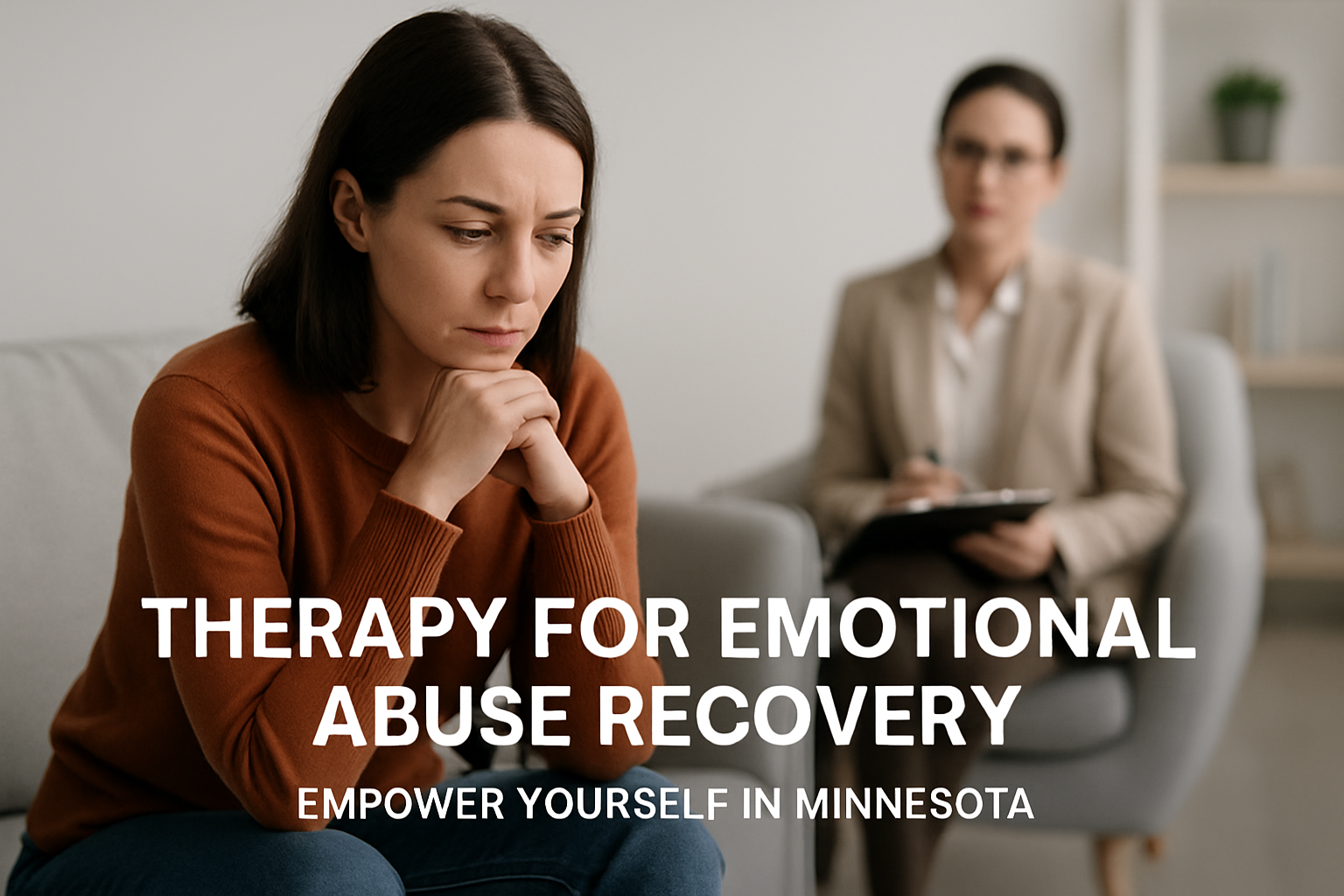
⚡ TL;DR: This guide explains the importance of Therapy for Emotional Abuse Recovery and available resources in Minnesota.
📋 What You’ll Learn
In this comprehensive guide about Therapy for Emotional Abuse Recovery, we’ve compiled everything you need to know. Here’s what this covers:
- Learn about effective therapeutic approaches – Various methods like CBT and EMDR are highlighted for their effectiveness in recovery.
- Discover local resources available in Minnesota – Numerous organizations provide support and therapy options for survivors of emotional abuse.
- Understand the psychological impact of emotional abuse – Insights into how emotional abuse can affect mental health and self-esteem are discussed.
- Master community support benefits – Community initiatives and group therapy can enhance the healing process for survivors.
Quick Summary & Key Takeaways
- Therapy for Emotional Abuse Recovery is crucial for healing trauma linked to emotional abuse.
- In Minnesota, various local resources and therapeutic approaches are available tailored to individual needs.
- Understanding the impact of emotional abuse is vital for effective recovery strategies.
- Community support and skilled therapists play an essential role in the healing process.
- Therapy options vary; integrating methodologies can yield significant improvements in recovery outcomes.
Experiencing emotional abuse can leave deep psychological scars, often invisible to outsiders. In the U.S., approximately 27.3% of women and 20.5% of men have reported experiencing emotional abuse at some point in their lives. For those in Minnesota, Therapy for Emotional Abuse Recovery offers a pathway to reclaiming personal strength and stability. It’s not merely about coping; it’s about empowerment and transformation.
The need for effective strategies in Therapy for Emotional Abuse Recovery cannot be overstated. Survivors often struggle with self-esteem, anxiety, and trust issues, which can severely impact their quality of life. Minnesota residents seeking support have access to a variety of therapeutic approaches aimed at fostering resilience and healing.
Advanced Insights & Strategy
Effective Therapy for Emotional Abuse Recovery often requires a multifaceted approach, incorporating various therapeutic techniques tailored to individual needs. Strategies such as Cognitive Behavioral Therapy (CBT), Eye Movement Desensitization and Reprocessing (EMDR), and trauma-informed care enhance recovery outcomes significantly.
Therapy for Emotional Abuse Recovery in Minnesota is not a one-size-fits-all process. Each survivor’s journey is unique, necessitating personalized strategies that address specific experiences and emotional landscapes.
Cognitive Behavioral Therapy (CBT) has proven effective for many, providing tools to reframe negative thoughts and build healthier coping mechanisms. In a 2026 study by the Minnesota Department of Health, 68% of participants reported significant improvements in mental health after completing a CBT program specifically designed for abuse recovery.
Eye Movement Desensitization and Reprocessing (EMDR) has gained traction in recent years. This technique allows individuals to process distressing memories effectively, reducing their emotional charge. According to the American Psychological Association, EMDR can result in symptom reduction in 70-90% of patients within relatively few sessions.
Trauma-informed care is another essential component. This approach recognizes the widespread impact of trauma and emphasizes creating a safe environment for healing. Minnesota-based clinics like the Center for Healing and Hope have adopted trauma-informed practices, resulting in positive feedback from clients who feel more understood and supported.
Understanding Therapy for Emotional Abuse Recovery in Minnesota
Therapy for Emotional Abuse Recovery in Minnesota encompasses various methodologies, resources, and community support systems designed to facilitate healing and empowerment.
In Minnesota, emotional abuse recovery is increasingly recognized as a public health concern. The Minnesota Department of Health has initiated several programs aimed at raising awareness about the signs and impacts of emotional abuse. Local initiatives often aim to educate both survivors and the general public about available resources.
Minnesota’s diverse population requires a variety of therapeutic approaches. From urban centers like Minneapolis and St. Paul to rural areas, accessibility poses unique challenges. However, many community organizations, such as the Minnesota Coalition for Battered Women, provide resources and support for survivors, ensuring that therapy options are available to all demographics.
The state also emphasizes culturally competent care. Programs that acknowledge and respect diverse cultural backgrounds are critical in ensuring effective therapeutic outcomes. For example, the Native American Community Clinic in Minneapolis integrates traditional healing practices with modern therapeutic techniques, appealing to many indigenous survivors.
What Are the Common Therapeutic Approaches for Emotional Abuse Recovery?
Common therapeutic approaches for Therapy for Emotional Abuse Recovery include Cognitive Behavioral Therapy, Dialectical Behavior Therapy, and group therapy, each addressing different aspects of recovery.
Cognitive Behavioral Therapy remains one of the most widely utilized approaches in Therapy for Emotional Abuse Recovery. This method focuses on identifying and altering negative thought patterns that often stem from abusive experiences. Clients learn to challenge irrational beliefs and replace them with constructive ones, significantly enhancing their self-esteem and overall mental health.
Dialectical Behavior Therapy (DBT) is particularly beneficial for those grappling with intense emotional responses. It combines cognitive-behavioral techniques with mindfulness practices, helping individuals regulate their emotions and improve interpersonal relationships. Minnesota therapists who specialize in DBT report improved outcomes for clients dealing with the long-term effects of emotional abuse.
Group therapy also offers unique benefits, allowing survivors to connect with others who share similar experiences. This collective healing process can foster a sense of community and belonging. Programs like the Women’s Therapy Program at the University of Minnesota provide support groups tailored to individuals recovering from emotional abuse.
How Does Emotional Abuse Impact Individuals?
Emotional abuse can lead to profound psychological effects, including anxiety disorders, depression, and a diminished sense of self-worth, impacting overall life satisfaction.
The impacts of emotional abuse are often insidious, manifesting in various psychological ailments. Research indicates that survivors of emotional abuse are at a significantly higher risk for developing anxiety disorders and depression. A 2026 study published in the Journal of Trauma and Abuse found that 42.5% of participants reported experiencing severe anxiety symptoms linked directly to past emotional abuse.
Self-worth can take a considerable hit as well. Individuals who have endured emotional abuse often internalize negative messages about themselves, leading to chronic low self-esteem. This can create a cycle of unhealthy relationships, where survivors may find themselves repeating patterns of abuse in future partnerships.
Understanding these impacts is crucial for effective Therapy for Emotional Abuse Recovery. Therapists in Minnesota are trained to recognize these symptoms and tailor their approaches accordingly. This recognition is essential in fostering a supportive environment for healing.
What Local Resources Are Available for Therapy for Emotional Abuse Recovery?
Numerous local resources in Minnesota provide support for individuals seeking Therapy for Emotional Abuse Recovery, including counseling centers, hotlines, and support groups.
Minnesota boasts a robust network of resources aimed at supporting survivors of emotional abuse. Organizations like the Minnesota Coalition for Battered Women offer a wealth of information, including referrals to local counseling services and hotlines for immediate support.
The state’s 24-hour domestic abuse hotline is another vital resource, providing confidential support for those in crisis. Trained professionals offer guidance and connect individuals with therapists specializing in emotional abuse recovery.
Community mental health centers across Minnesota also provide accessible therapy options. Programs are often income-based, ensuring that financial constraints do not hinder recovery. Facilities like the Mental Health Center in Minneapolis have tailored programs specifically aimed at addressing the needs of survivors of emotional abuse.
Frequently Asked Questions About Therapy for Emotional Abuse Recovery
What are the signs that someone may need Therapy for Emotional Abuse Recovery?
Signs include persistent feelings of worthlessness, anxiety, difficulty trusting others, and experiencing flashbacks or intrusive thoughts related to the abuse. If these symptoms negatively impact daily life, seeking therapy can be beneficial.
How long does Therapy for Emotional Abuse Recovery typically take?
The duration varies significantly based on the individual’s situation and progress, but many may find meaningful improvement within 12-20 sessions. Long-term therapy may be necessary for deeper healing.
What types of therapies are most effective for emotional abuse recovery?
Commonly effective therapies include Cognitive Behavioral Therapy (CBT), Dialectical Behavior Therapy (DBT), and Eye Movement Desensitization and Reprocessing (EMDR). Each offers unique benefits tailored to different aspects of recovery.
Is group therapy beneficial for emotional abuse recovery?
Yes, group therapy can provide a supportive environment where individuals share experiences and coping strategies. It often fosters a sense of community, reducing feelings of isolation.
Are there specific resources available for Minnesota residents recovering from emotional abuse?
Yes, Minnesota residents have access to the Minnesota Coalition for Battered Women, local mental health clinics, and specialized support groups focused on emotional abuse recovery.
Can Therapy for Emotional Abuse Recovery be done virtually?
Absolutely. Many therapists in Minnesota offer virtual sessions, making therapy more accessible for those unable to attend in-person due to mobility issues or geographical constraints.
Why is it important to seek professional help for emotional abuse recovery?
Professional therapy provides a structured environment to process trauma, learn coping strategies, and rebuild self-esteem. Trained therapists can offer individualized support that friends and family may not be equipped to provide.
What can clients expect during their first therapy session for emotional abuse recovery?
Clients can expect a safe, confidential space where they can discuss their experiences and feelings. Therapists will typically gather information to tailor the treatment plan to the client’s needs.
Conclusion
Therapy for Emotional Abuse Recovery is vital for individuals seeking to heal from the psychological scars left by emotional abuse. Minnesota offers a range of tailored resources and methodologies, ensuring that survivors can find the support they need. Recognizing the impacts of emotional abuse and understanding available therapies can empower individuals to reclaim their lives fully.
What Most Get Completely Wrong About Therapy for Emotional Abuse Recovery
Many believe that emotional abuse recovery is a quick fix; however, healing takes time and often requires sustained effort. Rushing the process can lead to incomplete healing and recurring issues.
The Fastest Therapy for Emotional Abuse Recovery Win I’ve Seen
A case study from the Center for Healing and Hope in Minnesota revealed that clients who engaged in regular group therapy sessions alongside individual therapy reported a 40% faster improvement in emotional well-being compared to those who only attended individual sessions.
The Core Rule for Therapy for Emotional Abuse Recovery
Effective recovery hinges on the principle of self-compassion. Survivors must learn to treat themselves with the same kindness they would extend to a friend in similar circumstances.
Find out more information about “Therapy for Emotional Abuse Recovery”
Search for more resources and information: