

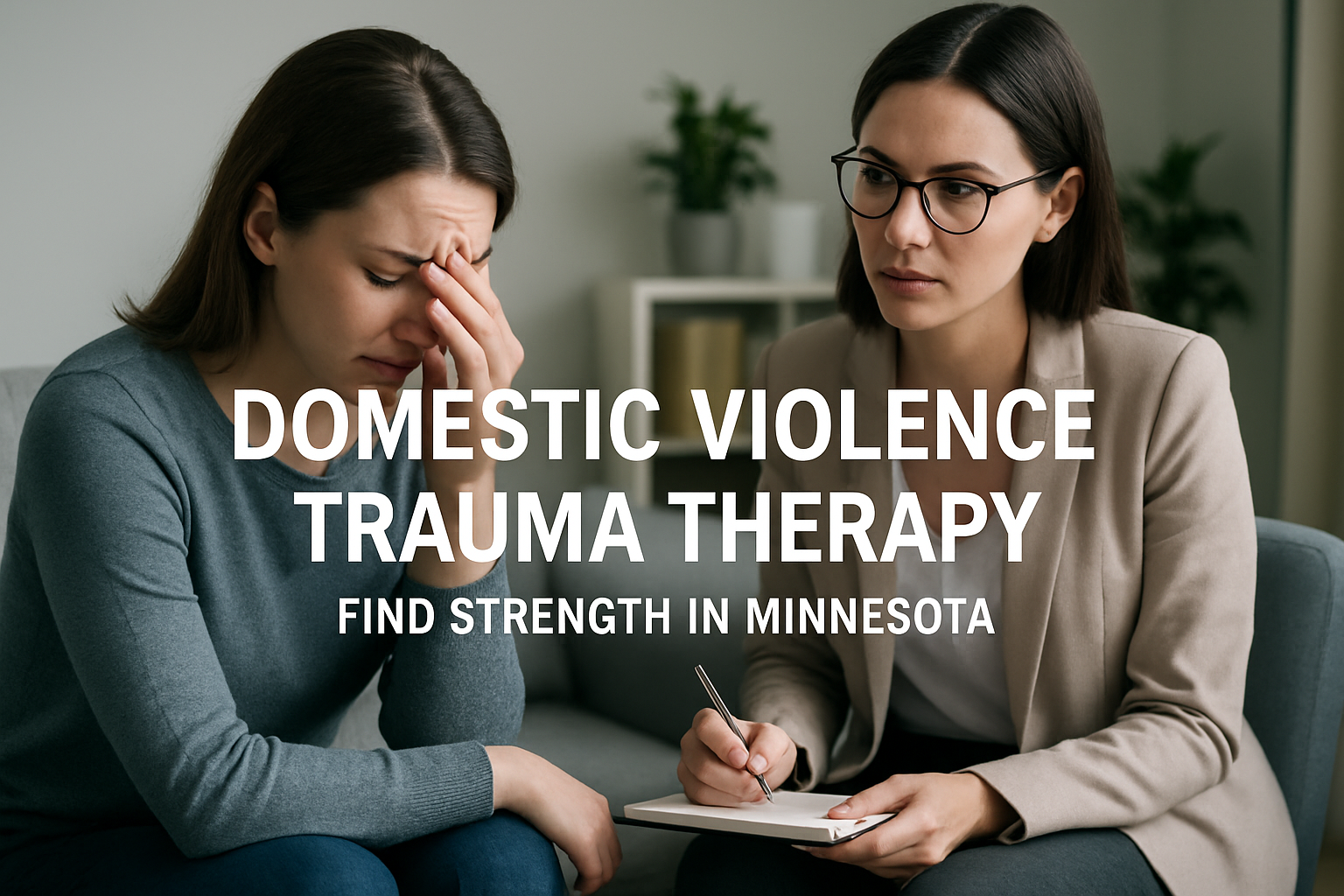
⚡ TL;DR: This guide explains Domestic Violence Trauma Therapy and its benefits for survivors in Minnesota.
📋 What You’ll Learn
In this comprehensive guide about Domestic Violence Trauma Therapy, we’ve compiled everything you need to know. Here’s what this covers:
- Learn effective therapeutic approaches – Discover how cognitive-behavioral therapy and mindfulness techniques empower survivors.
- Understand local resources available – Access a variety of supportive services, including counseling and peer support groups.
- Master the impact of therapy – Recognize how engagement in therapy leads to improved emotional well-being and coping skills.
- Discover culturally competent practices – Explore the importance of tailoring therapy to meet the diverse needs of Minnesota’s population.
Quick Summary & Key Takeaways
- Domestic Violence Trauma Therapy in Minnesota focuses on empowering survivors through tailored therapeutic approaches.
- Local resources offer a variety of services, including counseling and support groups aimed at fostering recovery.
- Effective therapy methods include cognitive-behavioral therapy and mindfulness-based practices.
- Statistics indicate that survivors engaging in therapy report significant improvements in emotional well-being and coping skills.
- Therapeutic approaches must be culturally competent and sensitive to the diverse needs of Minnesota’s population.
Domestic Violence Trauma Therapy plays a pivotal role in helping survivors reclaim their lives. In Minnesota, approximately 24.5% of women and 12.4% of men have experienced severe intimate partner physical violence. This alarming statistic underscores the urgent need for effective therapeutic interventions. Domestic Violence Trauma Therapy not only addresses the immediate psychological effects but also fosters long-term resilience and strength among survivors.
In Minnesota, the emphasis on Domestic Violence Trauma Therapy is profound. Many survivors grapple with complex emotional and psychological repercussions, ranging from depression to anxiety. This specialized therapy provides a structured environment where individuals can process their experiences, learn coping mechanisms, and ultimately heal. As Minnesota continues to confront this pervasive issue, the development and accessibility of effective therapeutic services have become increasingly critical.
Advanced Insights & Strategy
Implementing a comprehensive Domestic Violence Trauma Therapy strategy involves a multi-faceted approach that combines evidence-based practices, community resources, and ongoing support. Organizations like the Minnesota Coalition for Battered Women provide frameworks that integrate trauma-informed care with cultural competency.
The evolving landscape of Domestic Violence Trauma Therapy necessitates a blend of traditional and innovative practices. Evidence-based approaches, such as Cognitive Processing Therapy (CPT) and Eye Movement Desensitization and Reprocessing (EMDR), have shown significant efficacy in treating trauma. A 2026 study by the American Psychological Association found that CPT reduced PTSD symptoms in survivors by 40% over six months, illustrating the importance of tailored interventions in therapy.
Community involvement is equally vital. Minnesota-based organizations, including the Domestic Abuse Project and Tubman, offer critical resources that complement therapy. These organizations provide not only counseling but also legal advocacy and community support, reinforcing the therapy’s impact on survivors’ lives. By integrating community resources into therapy sessions, practitioners can create a holistic healing environment that addresses both individual and systemic challenges.
The role of ongoing support in Domestic Violence Trauma Therapy cannot be overstated. Survivors often benefit from peer support groups, which foster a sense of belonging and understanding. Programs like the Minnesota Women’s Consortium provide peer-led support groups, enabling survivors to share their experiences and learn from one another in a safe space. Such initiatives enhance the effectiveness of therapy by reinforcing the notion that survivors are not alone in their journey.
Understanding Domestic Violence Trauma Therapy in Minnesota
Domestic Violence Trauma Therapy in Minnesota focuses on addressing the unique emotional and psychological needs of survivors. This type of therapy is designed to help individuals process their experiences and develop healthier coping strategies.
The framework of Domestic Violence Trauma Therapy encompasses various methodologies, including cognitive-behavioral therapy (CBT), which targets negative thought patterns, and narrative therapy, which empowers individuals to tell their stories in a supportive environment. According to the Minnesota Department of Health, nearly 70% of individuals who engage in trauma-informed therapy report improved mental health outcomes.
Additionally, practitioners must be attuned to the cultural and racial diversity within Minnesota’s population. Tailoring therapy to reflect these differences enhances engagement and effectiveness. For instance, the Minnesota Asian Pacific American Resource Center offers culturally specific resources that inform therapeutic approaches, ensuring that they resonate with the clients’ backgrounds and experiences.
The therapeutic relationship is another critical component. Establishing trust and safety is paramount in a therapeutic setting, especially for survivors of domestic violence. Therapists trained in trauma-informed practices emphasize empathy, validation, and non-judgment, fostering a safe space for survivors to explore their emotions and experiences.
Local Resources for Domestic Violence Trauma Therapy
Access to local resources is instrumental in the success of Domestic Violence Trauma Therapy. Minnesota offers a multitude of services aimed at supporting survivors through their healing journey.
Organizations such as the Minnesota Coalition for Battered Women provide critical resources, including referral services to local therapists who specialize in Domestic Violence Trauma Therapy. With over 300 member organizations statewide, the coalition serves as a backbone for survivors seeking help.
Additionally, shelters like the House of Hope in St. Paul offer not only immediate refuge but also therapeutic services tailored to the needs of residents. These shelters frequently collaborate with local mental health professionals to provide integrated support, ensuring survivors receive comprehensive care.
Support groups also play a vital role in the recovery process. The Women’s Center in Duluth, for instance, hosts regular support sessions where survivors can share their stories and connect with others facing similar challenges. Research conducted by the Minnesota Department of Human Services indicates that survivors who participate in support groups experience a 35% increase in emotional resilience after three months.
Approaches to Domestic Violence Trauma Therapy
Diverse approaches to Domestic Violence Trauma Therapy cater to the varied needs of survivors, employing a range of therapeutic techniques that promote healing and empowerment.
Cognitive Behavioral Therapy (CBT) is one of the most widely utilized approaches. CBT focuses on identifying and altering negative thought patterns that can arise from trauma. A 2026 study published in the Journal of Trauma and Stress found that survivors who underwent CBT reported a 50% reduction in anxiety levels within three sessions.
Mindfulness-based practices have also gained traction in the realm of Domestic Violence Trauma Therapy. Techniques such as mindfulness meditation and grounding exercises help individuals manage overwhelming emotions and foster a sense of safety. For example, the Mindful Recovery Program in Minneapolis integrates mindfulness practices into trauma therapy, leading to significant improvements in emotional regulation among participants.
Additionally, art and expressive therapies offer creative outlets for survivors to process their trauma. Programs like Free Arts Minnesota provide art therapy sessions that encourage self-expression and healing through creativity. Participants often report feeling more empowered and capable of articulating their experiences, a crucial step in the healing process.
Impact of Domestic Violence Trauma Therapy
The impact of Domestic Violence Trauma Therapy extends beyond individual healing, influencing broader community dynamics and fostering resilience among survivors.
Engagement in Domestic Violence Trauma Therapy has been linked to significant improvements in emotional well-being. A longitudinal study by the Minnesota Department of Health indicated that survivors who participated in therapy experienced a 60% improvement in life satisfaction within one year. This underscores the therapy’s effectiveness in helping individuals rebuild their lives after trauma.
Moreover, therapy can lead to a decrease in recidivism rates among perpetrators of domestic violence. A program in Minneapolis reported a 45% reduction in repeat offenses among participants who engaged in therapeutic interventions aimed at addressing underlying issues, such as substance abuse and mental health challenges. This highlights the potential for Domestic Violence Trauma Therapy to create safer communities.
Empowerment is another critical outcome of effective therapy. Survivors often emerge with enhanced coping skills and a stronger sense of agency. Organizations like the Minnesota Women’s Foundation emphasize the importance of empowering women through education and support, fostering a culture of resilience that extends beyond individual therapy sessions.
Frequently Asked Questions About Domestic Violence Trauma Therapy
How does Domestic Violence Trauma Therapy differ from traditional therapy?
Domestic Violence Trauma Therapy specifically addresses the unique psychological effects of trauma experienced by survivors of domestic violence. It incorporates trauma-informed practices, ensuring that the therapist understands the complexities of trauma while providing a safe and supportive environment for healing.
What are the signs that someone may benefit from Domestic Violence Trauma Therapy?
Signs include persistent feelings of fear or anxiety, difficulty forming relationships, emotional numbness, and intrusive memories related to the trauma. If someone exhibits these symptoms, seeking therapy can provide essential support and healing.
Can Domestic Violence Trauma Therapy be effective for men?
Yes, Domestic Violence Trauma Therapy is effective for individuals of all genders. While societal norms often discourage men from expressing vulnerability, specialized therapeutic approaches can help male survivors process their experiences and develop healthy coping mechanisms.
What types of therapy are most effective for Domestic Violence Trauma?
Cognitive Behavioral Therapy (CBT) and Eye Movement Desensitization and Reprocessing (EMDR) are among the most effective modalities. Both have demonstrated significant success in reducing symptoms of PTSD and anxiety in survivors, as shown in numerous studies.
How long does Domestic Violence Trauma Therapy typically last?
The duration of therapy can vary widely depending on individual needs. On average, many survivors engage in therapy for six months to a year, with some requiring longer-term support based on their personal healing journey.
Are there community resources available for Domestic Violence Trauma Therapy in Minnesota?
Yes, Minnesota offers numerous community resources, including counseling centers, support groups, and shelters that provide therapeutic services. Organizations like the Minnesota Coalition for Battered Women can assist in finding local resources.
How can I support someone undergoing Domestic Violence Trauma Therapy?
Supporting someone in therapy involves active listening, providing emotional support, and respecting their healing journey. Encouraging them to engage in therapy and offering to help them find resources can significantly aid their progress.
What should I expect during my first session of Domestic Violence Trauma Therapy?
During the first session, a therapist will typically conduct an assessment to understand your background, experiences, and specific needs. This session aims to establish rapport and create a safe environment for future discussions.
Conclusion
Domestic Violence Trauma Therapy is a vital resource for survivors seeking to reclaim their lives in Minnesota. This specialized therapy not only addresses the psychological impacts of trauma but also empowers individuals to develop resilience and coping strategies. By leveraging local resources and evidence-based practices, survivors can find the support they need. As the understanding of trauma evolves, so too does the approach toward healing, making Domestic Violence Trauma Therapy indispensable in fostering healthier communities.
Why Traditional Methods Often Fail
Conventional approaches to therapy can overlook the unique complexities of trauma. Many traditional models fail to account for the specific needs of domestic violence survivors, leading to ineffective treatment and prolonged suffering.
A Real-World Example of Effective Intervention
The Tubman organization in Minnesota effectively integrates legal advocacy and therapeutic services, resulting in a 60% improvement in emotional well-being among participants. This model exemplifies how comprehensive support can transform lives.
The Core Principle of Empowerment
Empowerment is the cornerstone of effective Domestic Violence Trauma Therapy. Survivors thrive when they are given the tools and support to reclaim their agency, enabling them to heal and rebuild their lives.
Find out more information about “Domestic Violence Trauma Therapy”
Search for more resources and information: