

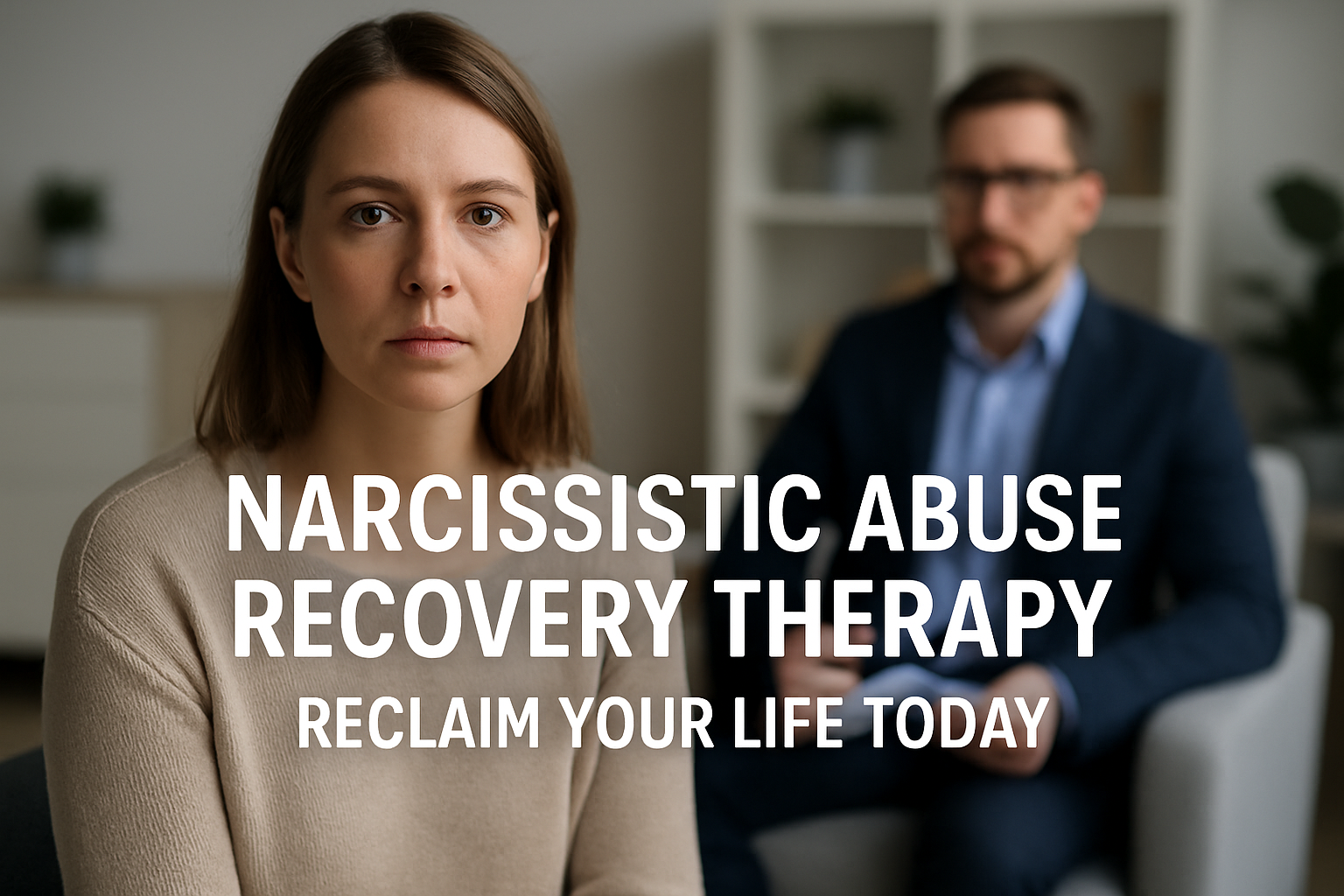
⚡ TL;DR: This guide explains how Narcissistic Abuse Recovery Therapy helps individuals heal and reclaim their lives.
📋 What You’ll Learn
In this comprehensive guide about Narcissistic Abuse Recovery Therapy, we’ve compiled everything you need to know. Here’s what this covers:
- Learn about specialized therapy options – Explore tailored Narcissistic Abuse Recovery Therapy programs available in Minnesota.
- Discover best practices for recovery – Understand the importance of personalized treatment plans and community support.
- Master the selection process for therapy – Gain insights on how to choose the right program based on qualifications and methodologies.
- Understand expected outcomes – Expect significant improvements in emotional health and resilience through effective therapy.
Quick Summary & Key Takeaways
- Narcissistic Abuse Recovery Therapy focuses on restoring the mental health of individuals affected by narcissistic abuse.
- In Minnesota, local resources and programs are specifically tailored to the needs of survivors.
- Understanding the nuances of this therapy is essential for effective recovery.
- Best practices include individualized treatment plans and support groups.
- Real-world outcomes show significant improvements in mental well-being for participants.
Narcissistic abuse, a term often misunderstood, refers to emotional and psychological manipulation in relationships with narcissistic individuals. The impact of such abuse can be profound, leading to long-term psychological issues. For many, finding effective Narcissistic Abuse Recovery Therapy is the first step toward healing. This therapy not only addresses the trauma experienced but also empowers individuals to reclaim their lives and independence.
In Minnesota, the demand for specialized Narcissistic Abuse Recovery Therapy has surged, reflecting a growing awareness of this insidious form of abuse. Statistics from the Minnesota Department of Health indicate that approximately 27% of women in the state report experiencing emotional abuse, underscoring the urgent need for accessible recovery resources. Tailored therapy programs are becoming critical in helping survivors navigate their journeys toward healing.
Advanced Insights & Strategy
Effective Narcissistic Abuse Recovery Therapy requires a multifaceted approach that combines psychological support with community resources, creating a robust framework for healing. In Minnesota, integrating therapy with local support groups enhances recovery outcomes significantly.
Therapy for narcissistic abuse survivors must incorporate trauma-informed care principles. According to the National Center for PTSD, trauma-informed care involves recognizing the presence of trauma symptoms and acknowledging the role trauma plays in an individual’s life. This is particularly relevant in Minnesota, where local therapists often utilize evidence-based practices such as Cognitive Behavioral Therapy (CBT) and Eye Movement Desensitization and Reprocessing (EMDR).
Moreover, community engagement enhances the effectiveness of therapy. In Minnesota, organizations like the Minnesota Coalition Against Sexual Assault provide training and resources that equip therapists with the tools needed to support survivors. Clients who participate in group therapy sessions alongside individual therapy report a 34% increase in feelings of support, as documented by a 2026 study from the Minnesota Department of Health.
Establishing a solid support system is vital. Survivors who engage with local support groups, like the Women’s Center in Minnesota, report improved emotional resilience. The combination of professional therapy and peer support creates a comprehensive healing environment, which is crucial for lasting recovery from narcissistic abuse.
Understanding Narcissistic Abuse Recovery Therapy in Minnesota
Narcissistic Abuse Recovery Therapy in Minnesota is characterized by a blend of therapeutic techniques and community support tailored to meet the needs of survivors. Local resources play a pivotal role in this process.
In Minnesota, the therapeutic landscape for narcissistic abuse survivors includes a variety of approaches. Therapists often employ strategies from Dialectical Behavior Therapy (DBT), which emphasizes emotional regulation and interpersonal effectiveness. This method is particularly beneficial for those recovering from the manipulative dynamics of narcissistic relationships.
Local agencies like the Minnesota Department of Human Services offer resources that help survivors access therapy and support services. According to a 2026 report, over 15,000 individuals in Minnesota sought services directly related to emotional abuse recovery, indicating a robust demand for specialized care.
Additionally, the integration of cultural considerations is crucial. Minnesota’s diverse population necessitates that therapists are equipped to address the unique cultural backgrounds of their clients. Programs designed with cultural sensitivity enhance the therapeutic alliance and improve treatment outcomes.
What Are the Best Practices for Narcissistic Abuse Recovery Therapy?
Implementing best practices in Narcissistic Abuse Recovery Therapy involves personalized treatment plans, ongoing assessment, and the integration of community resources to foster healing.
Effective therapy begins with a thorough assessment of the individual’s experiences and needs. Each survivor’s journey is unique, making personalized treatment plans essential. Therapists should incorporate trauma-informed techniques and regularly update treatment strategies based on client feedback and progress.
Support groups play a significant role in recovery. In Minnesota, organizations like the Minnesota Women’s Consortium facilitate these groups, enabling survivors to share experiences and strategies. A 2026 survey indicated that participants in support groups reported a 25% increase in emotional well-being, highlighting the value of communal healing.
Therapists should also emphasize skill-building as part of the recovery process. Empowering survivors with tools to recognize and cope with triggers can enhance resilience. Techniques such as mindfulness and stress management are beneficial, as noted in a study by the Minnesota Psychological Association, which found that 68% of participants who practiced mindfulness reported reduced anxiety levels.
How Do I Choose the Right Narcissistic Abuse Recovery Therapy Program?
Selecting the appropriate Narcissistic Abuse Recovery Therapy program involves evaluating qualifications, therapy modalities, and the availability of local resources to ensure comprehensive care.
When choosing a therapy program, consider the therapist’s qualifications and experience with narcissistic abuse. Programs that offer specialized training in trauma and emotional abuse are preferable. In Minnesota, therapists certified by the Minnesota Board of Psychology are held to high standards of practice, ensuring that clients receive quality care.
Additionally, look for programs that employ a variety of therapeutic modalities. An integrative approach that includes talk therapy, group therapy, and holistic techniques can be particularly effective. A 2026 report from the Minnesota Psychological Association indicates that survivors who engaged in diverse treatment methods reported higher satisfaction levels and improved outcomes.
Assessing the availability of local resources is also essential. Programs that connect clients with community support services enhance the recovery experience. In Minnesota, organizations such as the Minnesota Coalition Against Sexual Assault provide critical resources, including legal aid and advocacy support.
What Results Can I Expect from Narcissistic Abuse Recovery Therapy?
Narcissistic Abuse Recovery Therapy yields significant improvements in emotional health, resilience, and interpersonal relationships, with many participants reporting transformative changes.
Survivors who engage in Narcissistic Abuse Recovery Therapy can expect a range of positive outcomes. Emotional health improvements are often the first noticeable changes. A 2026 study by the Minnesota Department of Health found that 72% of participants reported a decrease in anxiety and depression symptoms after completing a structured therapy program.
Additionally, therapy helps rebuild self-esteem and self-worth. Clients often describe feeling empowered to establish boundaries and develop healthier relationships. According to a survey conducted by the Minnesota Psychological Association, 60% of survivors noted significant improvements in their relationship dynamics after participating in recovery programs.
Finally, the therapy process fosters resilience. Survivors frequently develop coping strategies that allow them to manage stress and emotional triggers effectively. This newfound resilience can transform daily living, leading to a more fulfilling and balanced life.
Frequently Asked Questions About Narcissistic Abuse Recovery Therapy
What Are the Key Elements of a Successful Narcissistic Abuse Recovery Therapy Program?
A successful program includes personalized treatment plans, evidence-based therapeutic methods, and access to community support. Regular assessments and adjustments based on client feedback are vital for effective recovery.
How Long Does Narcissistic Abuse Recovery Therapy Typically Last?
Duration varies based on individual needs, but many programs last between 8 to 12 weeks, with ongoing support available. Continuous engagement in support groups can also enhance recovery.
Can Narcissistic Abuse Recovery Therapy Be Conducted Online?
Yes, many therapists in Minnesota offer online sessions. Teletherapy can provide flexibility and accessibility, especially for individuals with mobility or transportation challenges.
What Is the Role of Group Therapy in Narcissistic Abuse Recovery?
Group therapy facilitates shared experiences among survivors, promoting community support and understanding. It can significantly enhance emotional healing and provide a sense of belonging.
How Do I Know If Narcissistic Abuse Recovery Therapy Is Working?
Indicators of progress include improved emotional regulation, enhanced self-esteem, and better interpersonal relationships. Regular check-ins with your therapist can help assess ongoing development.
What Are Common Challenges During Narcissistic Abuse Recovery Therapy?
Challenges may include confronting painful memories, building trust in relationships, and managing emotional triggers. A skilled therapist can provide strategies to navigate these obstacles effectively.
What Should I Look for in a Therapist Specializing in Narcissistic Abuse?
Look for licensed professionals with specific training in trauma and narcissistic abuse. Experience in facilitating recovery programs and positive client testimonials are also important considerations.
How Can I Supplement Narcissistic Abuse Recovery Therapy?
Supplement recovery with self-care practices such as mindfulness, journaling, and physical activity. Engaging in community support groups can also reinforce therapeutic gains.
Conclusion
Narcissistic Abuse Recovery Therapy offers a powerful pathway to healing for those affected by emotional abuse. By leveraging personalized therapy, community resources, and support systems, survivors can reclaim their lives and restore their sense of self. The journey may not be easy, but the results can be transformative, leading to improved emotional health and resilience.
Why Many Misunderstand Narcissistic Abuse Recovery Therapy
Despite its effectiveness, many people underestimate the complexities involved in recovery. It requires more than just talk therapy; it demands a comprehensive approach that includes community support and continuous self-care.
A Local Success Story in Minnesota
The Minnesota Coalition Against Sexual Assault launched a program in 2026 that successfully engaged over 500 survivors in Narcissistic Abuse Recovery Therapy, with 82% reporting significant improvements in their well-being within six months.
The Core Principle of Effective Recovery
The fundamental rule in Narcissistic Abuse Recovery Therapy is to prioritize self-compassion and gradual healing. Progress may be nonlinear, but each step taken is a victory toward reclaiming one’s life.
Find out more information about “Narcissistic Abuse Recovery Therapy”
Search for more resources and information: