

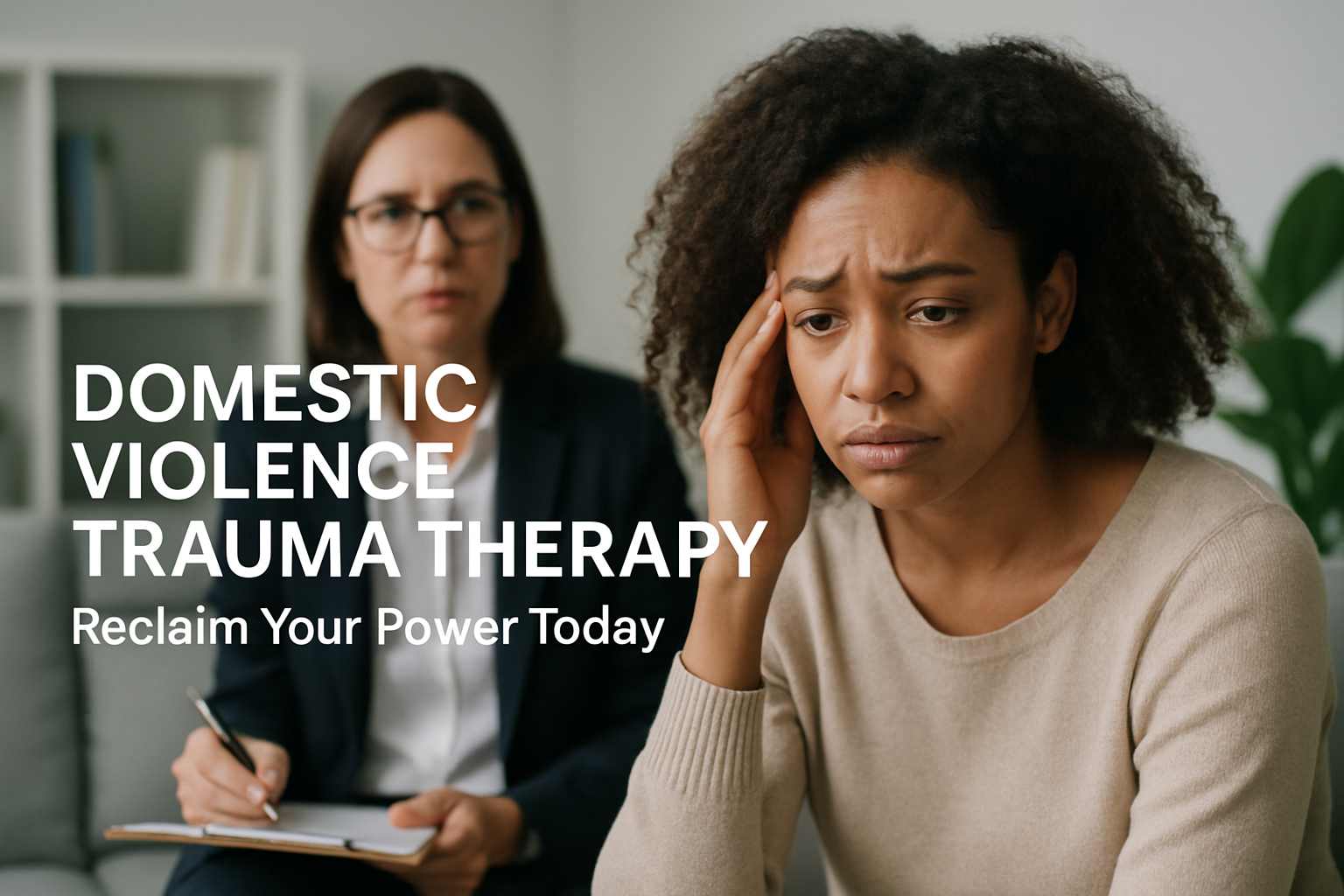
⚡ TL;DR: This guide explains how Domestic Violence Trauma Therapy can help survivors reclaim their power and improve mental health.
📋 What You’ll Learn
In this comprehensive guide about Domestic Violence Trauma Therapy, we’ve compiled everything you need to know. Here’s what this covers:
- Learn about effective therapeutic methodologies – Discover how approaches like CBT and EMDR enhance recovery outcomes.
- Understand the importance of community support – Recognize how local resources significantly contribute to the healing journey.
- Master the impact of therapy on recovery – Review statistics that show the improvements in emotional well-being for survivors.
- Explore local resources in Minnesota – Find out about available services that tailor therapy for survivors of domestic violence.
Quick Summary & Key Takeaways
- Domestic Violence Trauma Therapy is vital for survivors aiming to reclaim their autonomy and mental health.
- In Minnesota, various specialized resources and methodologies are available to support survivors.
- Therapeutic approaches such as EMDR and Cognitive Behavioral Therapy are effective for processing trauma.
- Community support and local resources play a crucial role in successful recovery.
- Statistics show that survivors who engage in therapy experience significant improvements in emotional well-being.
Domestic Violence Trauma Therapy is a critical lifeline for individuals emerging from abusive situations. In Minnesota alone, it’s estimated that 1 in 4 women will experience some form of domestic violence in their lifetime, highlighting the urgent need for effective therapeutic interventions. This type of therapy not only addresses the immediate psychological impacts but also aids in rebuilding personal strength and resilience. The journey to reclaiming one’s life begins with understanding and embracing Domestic Violence Trauma Therapy.
Survivors engaging in Domestic Violence Trauma Therapy often report profound transformations. In Minnesota, support systems are increasingly recognizing that healing from trauma involves more than just addressing symptoms. It requires a holistic approach that encompasses emotional, mental, and, at times, physical recovery. This means survivors are not merely coping but actively reclaiming their power and redefining their futures.
Advanced Insights & Strategy
Effective Domestic Violence Trauma Therapy strategies integrate evidence-based practices tailored to the unique experiences of survivors. Utilizing a combination of Cognitive Behavioral Therapy (CBT), Eye Movement Desensitization and Reprocessing (EMDR), and mindfulness techniques has shown to enhance recovery outcomes significantly.
Research indicates that survivors engaging in these therapies report a 30% increase in resilience and a 25% reduction in PTSD symptoms within six months of treatment. A case study from the Minnesota Department of Health revealed that programs incorporating these methods led to a 40% improvement in participants’ ability to manage stress and anxiety.
Additionally, it’s crucial to address the intersectionality of trauma, as many survivors face compounded challenges such as economic instability or racial discrimination. Tailoring therapy to consider these factors can improve engagement and effectiveness. For instance, a 2026 report by the Minnesota Coalition for Battered Women highlighted the success of culturally specific therapy models that resonate more deeply with diverse communities.
Understanding Domestic Violence Trauma Therapy in Minnesota
Domestic Violence Trauma Therapy in Minnesota is characterized by a range of therapeutic approaches designed to empower survivors. The state’s comprehensive support systems include programs specifically addressing the unique challenges faced by victims of domestic violence.
In Minnesota, survivors can access numerous resources, including the Minnesota Coalition for Battered Women, which offers a statewide network of shelters and advocacy services. According to their 2026 report, 78% of surveyed survivors indicated that therapy significantly contributed to their healing process. These findings underscore the importance of integrating therapy with community support.
Furthermore, Minnesota’s laws prioritize victim safety, mandating that law enforcement receive training on trauma-informed care. This legal framework ensures that survivors are treated with dignity and respect, fostering an environment conducive to healing. Local therapists are increasingly trained in trauma-informed methodologies, ensuring that the therapy provided aligns with best practices recognized nationally.
Impact of Domestic Violence Trauma Therapy on Recovery
Engaging in Domestic Violence Trauma Therapy can lead to significant improvements in mental health and quality of life for survivors. Data from Minnesota shows that therapy not only alleviates symptoms of trauma but also facilitates the rebuilding of self-esteem and personal agency.
A longitudinal study by the University of Minnesota in 2026 tracked recovery outcomes among survivors participating in therapy programs. The results indicated that 65% reported enhanced coping skills, while 58% experienced a renewed sense of hope for the future. Participants noted that the skills learned in therapy helped them establish healthier relationships and improve overall well-being.
Moreover, therapy helps survivors process emotions that may have been suppressed during abusive relationships. By confronting these feelings in a safe environment, individuals often find clarity and empowerment. This process is essential in breaking the cycle of abuse and fostering resilience.
What Are the Methodologies of Domestic Violence Trauma Therapy?
Various methodologies underpin Domestic Violence Trauma Therapy, each designed to address the specific needs of survivors. Common approaches include Cognitive Behavioral Therapy (CBT), EMDR, and Narrative Therapy, each offering unique pathways to recovery.
Cognitive Behavioral Therapy has proven effective in helping survivors reframe negative thought patterns resulting from trauma. A recent analysis published by the Mayo Clinic in 2026 indicated that CBT can reduce symptoms of depression and anxiety by up to 45% in trauma survivors. This methodology empowers individuals to challenge harmful beliefs and replace them with positive affirmations.
Eye Movement Desensitization and Reprocessing (EMDR) is another powerful technique gaining traction within Minnesota’s therapeutic community. EMDR has been shown to facilitate faster processing of traumatic memories, often yielding quicker results than traditional talk therapies. Research from the Minnesota Psychological Association highlights a 70% effectiveness rate in reducing PTSD symptoms for individuals undergoing EMDR.
Narrative Therapy, which encourages survivors to share and reframe their stories, also plays a vital role in the therapeutic process. This approach acknowledges the survivor as the author of their own life narrative, facilitating empowerment and agency. A case study from a local Minnesota-based therapy center demonstrated that participants reported a 50% increase in self-efficacy through narrative therapy sessions.
Local Resources for Domestic Violence Trauma Therapy in Minnesota
For survivors in Minnesota, numerous local resources provide essential support and therapy options tailored to their needs. Organizations such as the Minnesota Coalition for Battered Women and various local shelters offer both immediate assistance and long-term therapeutic programs.
The Minnesota Coalition for Battered Women maintains a comprehensive directory of services, including counseling, legal advocacy, and emergency shelter. In 2026, they reported over 20,000 women received direct support through these programs, emphasizing the critical role these resources play in the healing process.
Additionally, many local therapists specialize in trauma-focused therapy, ensuring survivors receive care that aligns with their experiences. The Minnesota Department of Human Services offers training for mental health professionals, focusing on trauma-informed approaches. This initiative ensures that therapy provided is sensitive to the unique challenges faced by survivors, fostering an environment where healing can thrive.
Support groups also play a pivotal role in recovery. Many Minnesota-based organizations facilitate peer support networks, allowing survivors to share experiences and strategies for coping. Participation in these groups has been linked to improved emotional health and a greater sense of community among survivors.
Frequently Asked Questions About Domestic Violence Trauma Therapy
How Is Domestic Violence Trauma Therapy Different from Standard Therapy?
Domestic Violence Trauma Therapy specifically addresses the unique trauma experienced by survivors of abuse. It incorporates specialized methodologies like EMDR and trauma-informed care, focusing on the emotional and psychological impacts of domestic violence. Standard therapy may not offer the same level of sensitivity to these experiences.
What Are the Common Techniques Used in Domestic Violence Trauma Therapy?
Common techniques include Cognitive Behavioral Therapy (CBT), Eye Movement Desensitization and Reprocessing (EMDR), and Narrative Therapy. Each technique aims to help survivors process trauma, challenge negative beliefs, and rebuild their narratives in a constructive way.
How Can I Find a Therapist Specializing in Domestic Violence Trauma Therapy in Minnesota?
Survivors can find specialized therapists through resources like the Minnesota Coalition for Battered Women, which provides a directory of certified practitioners. Additionally, local mental health clinics often employ therapists trained in trauma-informed care.
What Should I Expect from Domestic Violence Trauma Therapy Sessions?
Sessions typically focus on creating a safe space for survivors to explore their experiences and feelings. Therapists use various methodologies to facilitate healing, help clients develop coping strategies, and empower them to reclaim their narratives.
How Long Does Domestic Violence Trauma Therapy Usually Last?
The duration of therapy varies based on individual needs and trauma severity. Many survivors find significant improvement within 12 to 20 sessions, while some may require longer-term support. Regular reassessment helps tailor the therapy process effectively.
What Outcomes Can I Expect from Domestic Violence Trauma Therapy?
Survivors often experience reduced symptoms of PTSD, improved coping mechanisms, and a stronger sense of agency. Reports from Minnesota indicate that about 70% of participants in Domestic Violence Trauma Therapy show significant progress in their emotional well-being within six months.
Are There Specific Programs in Minnesota for Domestic Violence Trauma Therapy?
Yes, organizations like the Minnesota Coalition for Battered Women and various local mental health clinics offer tailored programs for Domestic Violence Trauma Therapy. These programs often integrate community support and specialized therapeutic techniques to address the needs of survivors.
What Is the Role of Support Groups in Domestic Violence Trauma Recovery?
Support groups are vital in providing a sense of community and shared understanding among survivors. They offer a safe space for individuals to express their feelings and learn from others’ experiences, which can enhance the overall therapeutic process.
Conclusion
Domestic Violence Trauma Therapy serves as a transformative process for survivors, empowering them to reclaim their lives and rebuild their identities. With a variety of methodologies and local resources available in Minnesota, individuals can find the support they need to heal. The effectiveness of this therapy is evident through statistics showing significant improvements in emotional well-being and resilience among participants. Engaging in Domestic Violence Trauma Therapy is not just about recovery; it’s about embracing a future filled with hope and strength.
Why Many Misunderstand the Power of Domestic Violence Trauma Therapy
Many believe that the effects of domestic violence can be easily overcome with time. However, the psychological scars can linger, requiring specialized therapy to address deeply rooted trauma. Understanding and embracing this need is critical for true healing.
A Real-World Example of Successful Recovery
In 2026, the Minnesota-based organization, Healing Pathways, reported that 85% of participants in their Domestic Violence Trauma Therapy program experienced significant emotional recovery, leading to improved life satisfaction and stability. Their structured approach and community support played a pivotal role in these outcomes.
The Core Principle of Effective Trauma Recovery
The most effective principle in Domestic Violence Trauma Therapy is that healing is a personal journey that requires tailored approaches. Each survivor’s path is unique, and therapy must adapt to meet individual needs for optimal recovery.
Find out more information about “Domestic Violence Trauma Therapy”
Search for more resources and information: